

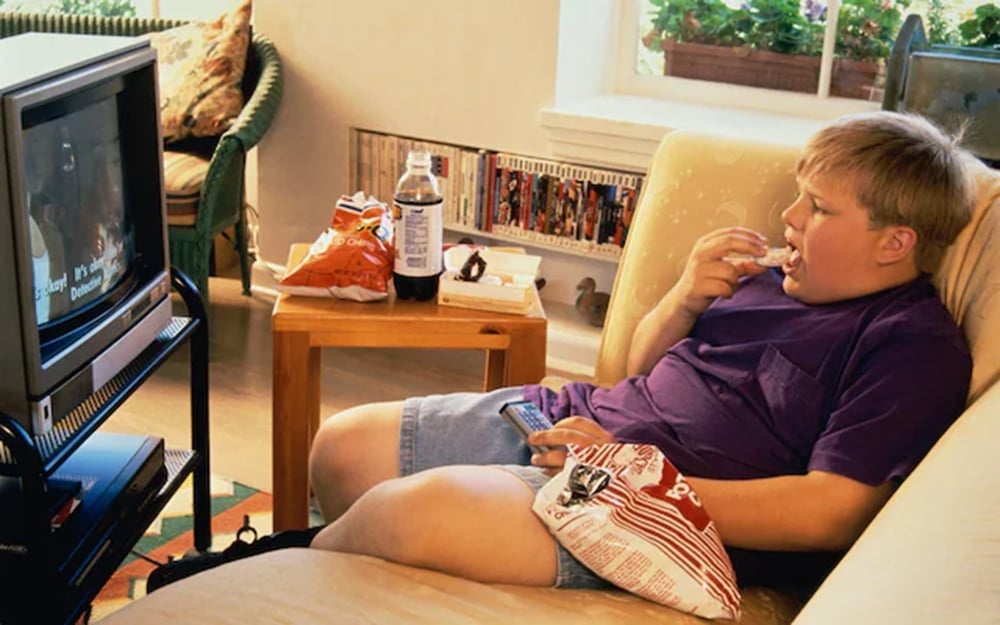
A junk food adverts ban has come into effect across the UK from Monday as part of government efforts to reduce childhood obesity.
Under the new rules, food and drinks high in fat, salt, and sugar (HFSS) can no longer be advertised on television before 21:00 or at any time online.
The restriction applies nationwide and targets products linked to childhood obesity, including soft drinks, chocolates, sweets, pizzas and ice creams.
The Food and Drink Federation (FDF) said it supports healthier eating and has been complying with the restrictions voluntarily since October.
The ban also applies to some breakfast cereals and porridges, sweetened bread products, as well as certain main meals and sandwiches.
Whether a product is restricted depends on a government scoring system that weighs nutrient content against levels of saturated fat, salt and sugar.
Plain oats and most porridge, muesli and granola products are not affected, although versions containing added sugar, chocolate or syrup may fall under the ban.
Companies are still allowed to advertise healthier versions of restricted products, a move the government hopes will encourage reformulation.
Josh Tilley, brand strategy director at marketing agency Initials CX, said companies can continue promoting their brands but not individual HFSS products.
Adverts featuring “things like the PepsiCo logo or the McDonald’s arches” will not be banned, he said, meaning that larger companies may be less affected by the new restrictions.
Smaller companies “can’t necessarily afford those bigger brand campaigns,” Tilley said. Their adverts are based on “educating people” about specific products, “and they’re no longer going to be able to do that.”
The rules only apply where unhealthy products are visible in adverts, allowing fast-food firms to continue advertising brand names alone.
Previously, HFSS adverts were restricted only on platforms where more than 25 per cent of the audience was under 16.
Companies that breach the new rules may face enforcement action by the Advertising Standards Authority (ASA).
NHS figures show that 9.2 per cent of reception-aged children in England are living with obesity, while one in five children experience tooth decay by age five.
Obesity is estimated to cost the NHS more than £11bn annually
Research shows that exposure to unhealthy food advertising can shape children’s eating habits and increase obesity risk. The government estimates the ban could prevent around 20,000 cases of childhood obesity.
Katherine Brown, professor of behaviour change in health at the University of Hertfordshire, said the ban was “long overdue and a move in the right direction”.
She said: “Children are highly susceptible to aggressive marketing of unhealthy foods and exposure to them puts them at greater risk of developing obesity and associated chronic diseases.”
Ms Brown also urged the government to make healthier food options “more affordable, accessible and appealing”.
The FDF said manufacturers remain “committed to working in partnership with the government and others to help people make healthier choices”.
It added: “Investing in developing healthier products has been a key priority for food and drink manufacturers for many years and as a result, our members’ products now have a third of the salt and sugar and a quarter of the calories then they did ten years ago.”


















Seriously loving 365 slots vip for the huge slot variety! You can play for days and still not try all the options. Plus, sometimes they have VIP-exclusive jackpots. Don’t miss the fun at 365 slots vip.
I’ll immediately take hold of your rss as I can not in finding your e-mail subscription link or e-newsletter service. Do you’ve any? Please allow me know so that I could subscribe. Thanks.
I like this weblog so much, saved to bookmarks. “Nostalgia isn’t what it used to be.” by Peter De Vries.