/ May 14, 2026
/ May 14, 2026

Nigeria

  • All
  • Africa
  • Agriculture
  • Aviation
  • Banking
  • Business
  • Crime
  • Economy
  • Education
  • Entertainment
  • fashion
  • Health
  • Home
  • International
  • lifestyle
  • Metro
  • News
  • Nigeria
  • Politics
  • Religion
  • Security
  • Sport
  • sports
  • Tech
  • Technology
  • World News
Prev
123

Trending

Anamekwe Nwabuoku during legal proceedings over fraud case as court orders forfeiture of assets in Abuja

Court orders final forfeiture of N1.9bn assets linked to ex-AGF  Nwabuoku

A Anamekwe Nwabuoku-linked luxury duplex in Abuja and shares worth nearly N2 billion have been permanently forfeited to the federal government after a ruling by the Federal High Court.   The order, delivered by Justice James Omotosho, follows Nwabuoku’s earlier conviction over an N868.4 million fraud and money laundering case.   According to TheCable, the court granted an application by the Economic and Financial Crimes Commission seeking final forfeiture of assets traced to the former acting accountant-general.   The assets include a five-bedroom duplex in Abuja, cash worth N288 million and shares valued at N1,941,805,342 as of March 29, 2026. The court held that the assets were proceeds of unlawful activity and approved their transfer to the federal government.   Nwabuoku was sentenced in March to 72 years in prison after being found guilty on nine counts. The sentence will run concurrently, meaning he will serve the terms at the same time.   The EFCC had accused him of conspiring with companies including Temeeo Synergy Concept Limited, Turge Global Investment Limited, Laptev Bridge Limited and Arafura Transnational Afro Limited to convert funds believed to be proceeds of crime.   Justice Omotosho said the forfeiture order was based on evidence already established during the criminal trial, which resulted in the former AGF’s conviction.
People walking through darkened streets in Havana during widespread blackout as Cuba faces severe fuel shortages.

Cuba blackouts worsen as fuel shortage sparks protests

Cuba has been hit by worsening nationwide blackouts after the government said its fuel reserves had run dry, triggering fresh protests in parts of the capital, Havana.   According to Channels Television, the crisis intensified on Thursday after authorities confirmed that oil shipments from Russia had been exhausted, leaving the island struggling to keep its electricity grid running.   Eastern regions of Cuba were plunged into another prolonged power outage, while dozens of residents gathered in San Miguel del Padrón, on the outskirts of Havana, to protest repeated electricity cuts and worsening living conditions.   Energy Minister Vicente de la O Levy told state television that Russian oil reserves had been depleted. He said the US embargo was worsening the country’s access to fuel imports, adding that Cuba was still unable to secure enough supplies to stabilise electricity generation.   The blackout crisis has become one of the most visible signs of Cuba’s economic struggles. The island has faced rolling outages for months, with many households relying on firewood for cooking as electricity failures stretch for hours each day.   Washington has continued to blame Cuba’s internal economic management for the collapse, while Havana insists long-standing US sanctions are a major cause of the shortages. The US recently announced an additional $100 million aid package for the country, even as diplomatic tensions remain strained.   The latest protests are notable because public demonstrations are relatively rare in Cuba, where the communist government maintains tight controls over political dissent. Recent outages have added to frustration over inflation, food shortages and transport disruptions.
Health workers in Tunisia celebrate WHO recognition after the country eliminated trachoma as a public health problem.

Tunisia eliminates trachoma as WHO confirms major public health milestone

Tunisia has become the 31st country globally to eliminate Trachoma as a public health problem, according to the World Health Organization (WHO).   The announcement, first reported by The Guardian Nigeria, marks a major health milestone for the North African nation, where the disease was once widespread and affected large parts of the population, particularly in southern regions.   WHO Director-General Tedros Adhanom Ghebreyesus praised the achievement, saying it reflects years of political commitment, strong primary healthcare systems and coordinated teamwork. He said Tunisia had shown that trachoma, the world’s leading infectious cause of blindness, can be defeated through sustained intervention.   Trachoma is a bacterial eye infection that can lead to irreversible blindness if untreated. It is commonly linked to poor access to clean water, sanitation and hygiene, and has historically affected poorer and rural communities.   According to WHO, Tunisia’s success followed decades of nationwide intervention built around the SAFE strategy. This includes surgery for advanced cases, antibiotics to clear infection, facial cleanliness campaigns and environmental improvements such as better water and sanitation access.   The country also expanded school-based health programmes, community screening and treatment, while integrating eye care into primary healthcare services. These measures helped reduce transmission and improve early treatment.   WHO Regional Director for the Eastern Mediterranean, Hanan Balkhy, described the achievement as evidence of what long-term national commitment can accomplish in preventing avoidable blindness.   Tunisia’s Health Minister, Mustapha Ferjani, said the milestone was the result of coordinated efforts across generations of healthcare workers and local communities. He added that the country remains focused on preserving the gains and protecting future generations from the disease.   The WHO said Tunisia now joins a growing list of countries that have eliminated neglected tropical diseases through targeted public health programmes.
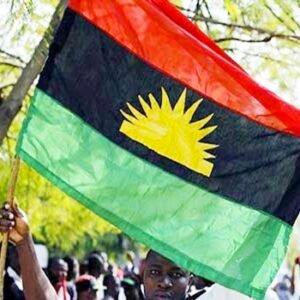
MASSOB supporters mark Biafra remembrance as group announces May 30 sit-at-home across southeast Nigeria.

Biafra remembrance: MASSOB fixes May 30 for southeast shutdown

The Movement for the Actualisation of Sovereign State of Biafra has announced a sit-at-home across parts of southeastern Nigeria on May 30, 2026, to mark this year’s Biafra Remembrance Day.   In a statement reported by The Nation Newspaper, the group said the annual observance is intended for sober reflection and remembrance of those who died during the Nigerian Civil War.   MASSOB said the date marks the 59th anniversary of the declaration of Republic of Biafra declaration by Chukwuemeka Odumegwu Ojukwu on May 30, 1967.   According to the statement signed by spokesman Ederson Samuel and issued under the leadership of Uchenna Madu, markets, schools, banks, transport parks and other public business premises in the region are expected to remain closed between 6am and 4pm on the day.   The group said the shutdown is to honour those who made sacrifices during the civil war and described the action as a symbolic act of remembrance rather than a compulsory restriction.   MASSOB also linked the event to support for Nnamdi Kanu, calling for his release and saying the anniversary would also serve as a solidarity action for detained pro-Biafra supporters.   The organisation stated that no physical demonstrations, processions or street marches would take place, adding that residents would not be forced to comply with the sit-at-home order.   The announcement comes amid continued agitation by separatist groups in southeastern Nigeria over the detention of Kanu and renewed calls for self-determination in the region.

Must Read

Anamekwe Nwabuoku during legal proceedings over fraud case as court orders forfeiture of assets in Abuja

Court orders final forfeiture of N1.9bn assets linked to ex-AGF  Nwabuoku

A Anamekwe Nwabuoku-linked luxury duplex in Abuja and shares worth nearly N2 billion have been permanently forfeited to the federal government after a ruling by the Federal High Court.   The order, delivered by Justice James Omotosho, follows Nwabuoku’s earlier conviction over an N868.4 million fraud and money laundering case.   According to TheCable, the court granted an application by the Economic and Financial Crimes Commission seeking final forfeiture of assets traced to the former acting accountant-general.   The assets include a five-bedroom duplex in Abuja, cash worth N288 million and shares valued at N1,941,805,342 as of March 29, 2026. The court held that the assets were proceeds of unlawful activity and approved their transfer to the federal government.   Nwabuoku was sentenced in March to 72 years in prison after being found guilty on nine counts. The sentence will run concurrently, meaning he will serve the terms at the same time.   The EFCC had accused him of conspiring with companies including Temeeo Synergy Concept Limited, Turge Global Investment Limited, Laptev Bridge Limited and Arafura Transnational Afro Limited to convert funds believed to be proceeds of crime.   Justice Omotosho said the forfeiture order was based on evidence already established during the criminal trial, which resulted in the former AGF’s conviction.
Read more
Anamekwe Nwabuoku during legal proceedings over fraud case as court orders forfeiture of assets in Abuja

Court orders final forfeiture of N1.9bn assets linked to ex-AGF  Nwabuoku

A Anamekwe Nwabuoku-linked luxury duplex in Abuja and shares worth nearly N2 billion have been permanently forfeited to the federal government after a ruling by the Federal High Court.   The order, delivered by Justice James Omotosho, follows Nwabuoku’s earlier conviction over an N868.4 million fraud and money laundering case.   According to TheCable, the court granted an application by the Economic and Financial Crimes Commission seeking final forfeiture of assets traced to the former acting accountant-general.   The assets include a five-bedroom duplex in Abuja, cash worth N288 million and shares valued at N1,941,805,342 as of March 29, 2026. The court held that the assets were proceeds of unlawful activity and approved their transfer to the federal government.   Nwabuoku was sentenced in March to 72 years in prison after being found guilty on nine counts. The sentence will run concurrently, meaning he will serve the terms at the same time.   The EFCC had accused him of conspiring with companies including Temeeo Synergy Concept Limited, Turge Global Investment Limited, Laptev Bridge Limited and Arafura Transnational Afro Limited to convert funds believed to be proceeds of crime.   Justice Omotosho said the forfeiture order was based on evidence already established during the criminal trial, which resulted in the former AGF’s conviction.
People walking through darkened streets in Havana during widespread blackout as Cuba faces severe fuel shortages.

Cuba blackouts worsen as fuel shortage sparks protests

Cuba has been hit by worsening nationwide blackouts after the government said its fuel reserves had run dry, triggering fresh protests in parts of the capital, Havana.   According to Channels Television, the crisis intensified on Thursday after authorities confirmed that oil shipments from Russia had been exhausted, leaving the island struggling to keep its electricity grid running.   Eastern regions of Cuba were plunged into another prolonged power outage, while dozens of residents gathered in San Miguel del Padrón, on the outskirts of Havana, to protest repeated electricity cuts and worsening living conditions.   Energy Minister Vicente de la O Levy told state television that Russian oil reserves had been depleted. He said the US embargo was worsening the country’s access to fuel imports, adding that Cuba was still unable to secure enough supplies to stabilise electricity generation.   The blackout crisis has become one of the most visible signs of Cuba’s economic struggles. The island has faced rolling outages for months, with many households relying on firewood for cooking as electricity failures stretch for hours each day.   Washington has continued to blame Cuba’s internal economic management for the collapse, while Havana insists long-standing US sanctions are a major cause of the shortages. The US recently announced an additional $100 million aid package for the country, even as diplomatic tensions remain strained.   The latest protests are notable because public demonstrations are relatively rare in Cuba, where the communist government maintains tight controls over political dissent. Recent outages have added to frustration over inflation, food shortages and transport disruptions.

Editor's Pick

Trending News

Newsletter

Enter your email address and receive notifications of news by email.

You have been successfully Subscribed! Ops! Something went wrong, please try again.

© 2026 GongNews. All Rights Reserved.