

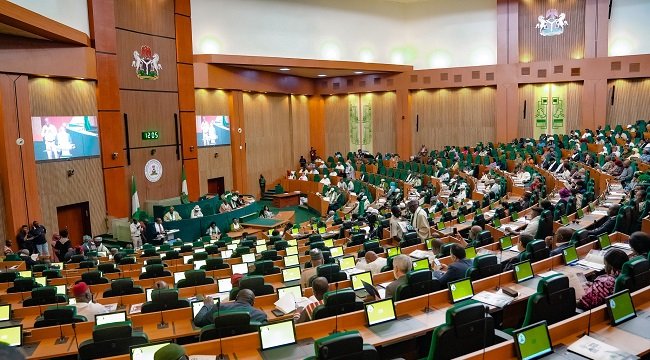
The House of Representatives has passed the constitutional amendment bill seeking to establish state police, marking a major step towards overhauling Nigeria’s security architecture.
The bill secured the backing of 311 lawmakers, surpassing the two-thirds majority required for constitutional amendments.
The proposal, championed by President Bola Tinubu, creates a dual policing system comprising a Federal Police Service and State Police Services, allowing states to establish and manage their own police formations.
However, proceedings were marred by a walkout by members of the minority caucus, led by Minority Leader Fred Agbedi, who accused the House leadership of violating constitutional provisions and the chamber’s Standing Orders during the bill’s consideration.
Deputy Speaker Benjamin Kalu, who chairs the House Committee on Constitution Review, presided over the consideration of the report and urged lawmakers to support the legislation before electronic voting was conducted.
Following the passage, opposition lawmakers addressed journalists, stressing that they supported the concept of state police but objected to what they described as procedural irregularities.
Chairman of the House Committee on Defence, Babajimi Benson, defended the process, maintaining that the House acted within its powers.
The legislation contains safeguards aimed at preventing political abuse of state police. It provides that governors may issue lawful written policy directives to state commissioners of police on public safety and order. It also prohibits state police from arresting, detaining, investigating or deploying force against individuals or groups solely for criticising the government, except in accordance with the law.
The House also passed a bill establishing the Federal College of Fisheries Technology and Marine Engineering in Rivers State before adjourning plenary until September 15, 2026.
The House’s approval comes four weeks after the Senate passed the same proposal, bringing the constitutional amendment closer to becoming law, subject to approval by state Houses of Assembly and presidential assent.