
More than 6,500 Primary Healthcare Centres (PHCs) across Nigeria remain non-functional despite years of federal and state government investments worth billions of naira aimed at strengthening grassroots healthcare, according to data obtained from the National Primary Health Care Development Agency (NPHCDA).
An analysis of the agency’s Primary Health Care Dashboard by The PUNCH found that 6,516 PHCs are currently inactive, limiting access to essential healthcare services for millions of Nigerians, particularly those living in rural communities.
Katsina State recorded the highest number of non-functional PHCs with 442, followed by Osun (406), Benue (343), Enugu (335), Adamawa (286), Jigawa (282), Delta (278), Yobe (248), Lagos and Ogun (246 each), Bauchi (229), Edo (221), Rivers (218) and Borno (159).
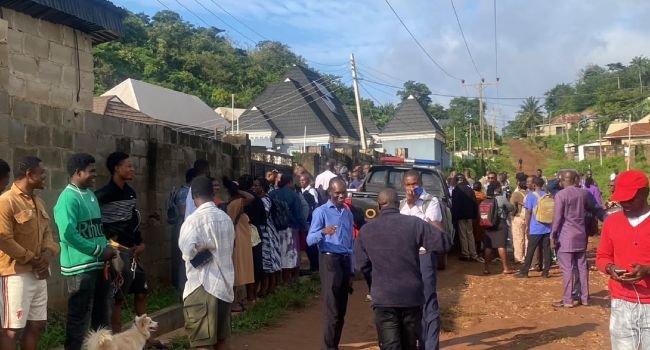
However, The PUNCH reported that the situation in Borno is more severe than the national data suggests. The Director of Community and Family Health at the Borno State Primary Health Care Development Board, Dr Mala Wahab, said 358 PHCs remain destroyed after years of Boko Haram insurgency. He noted that the state had 735 PHCs before the insurgency but currently operates 377, with three more facilities nearing completion.
Wahab credited the administration of Governor Babagana Zulum with rebuilding services, increasing operational PHCs from fewer than 100 to 377. He added that although infrastructure has improved, shortages of healthcare workers caused by brain drain continue to affect service delivery despite the recruitment of more than 1,400 health personnel.
According to the NPHCDA, Nigeria currently has 3,128 functional Level 2 PHCs, 3,275 revitalised PHCs and 5,141 facilities benefiting from the Basic Health Care Provision Fund.
The report said persistent challenges including inadequate staffing, insecurity, poor funding, weak maintenance, shortages of medicines and unreliable electricity and water continue to undermine government investments in primary healthcare.
Some state governments disputed the report’s findings. Kano said it had renovated and equipped 320 PHCs in the past three years, while Zamfara, Benue, Anambra and Cross River insisted many of their facilities remain operational despite manpower shortages and security concerns.
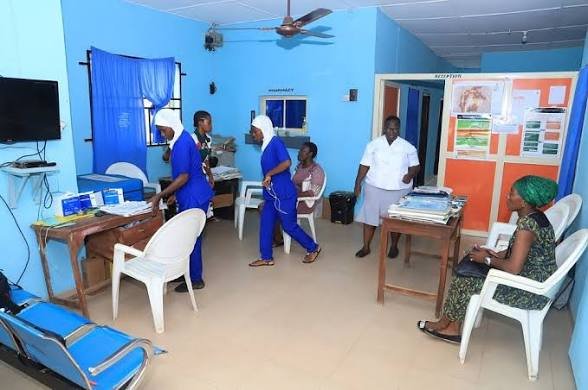
In Bauchi, however, findings showed that many PHCs depend heavily on unpaid volunteer nurses and midwives because of a shortage of government-employed health workers.
Health experts told The PUNCH that revitalising primary healthcare requires more than renovating buildings. They called for stronger funding, improved governance, direct disbursement of healthcare funds, better accountability and enhanced welfare packages to attract and retain frontline health workers.
They warned that unless staffing shortages and funding gaps are addressed, millions of Nigerians, especially those in rural communities, will continue to face limited access to essential healthcare services.