

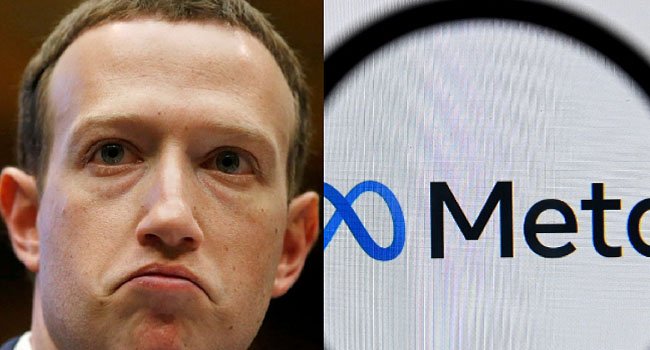
US prosecutors have accused Meta of deliberately designing Facebook and Instagram to keep children hooked, while misleading the public about the risks associated with its platforms. The allegations were made as a landmark federal case opened in Oakland, California.
Twenty-nine US states are behind the lawsuit, with California, Colorado, Kentucky and New Jersey leading the case. The states allege that Meta knew its platforms could harm young users but continued to prioritise engagement and revenue.
California prosecutor Megan O’Neill told the court that Meta had built its business model around keeping users online, collecting their data and concealing information about the risks.
The states accuse Meta of three main violations: misleading the public about the dangers its platforms pose to minors, deliberately designing features to encourage prolonged use, and collecting data from children under 13 without parental consent.
Meta denies deliberately harming children
Meta’s lawyer, Paul Schmidt, acknowledged that some users had been harmed but rejected the claim that the company deliberately designed its platforms to be dangerous.
The company has maintained that it has worked with parents, experts and law enforcement to introduce safeguards for young users. Reuters reported that Meta is also disputing claims that there is a clear link between adolescent social media use and poor wellbeing.
The case could have major financial and operational consequences for the technology giant. The states are seeking damages that have been reported at around $200 billion, while Meta has separately argued in court filings that the potential penalties could reach as much as $1.4 trillion, depending on how damages are calculated.
The states are also seeking changes to Meta’s platforms, including measures aimed at limiting children’s screen time and restricting features they say encourage excessive engagement.
Zuckerberg expected to testify
Meta CEO Mark Zuckerberg and Instagram chief Adam Mosseri are among the executives expected to appear as witnesses during the trial. The proceedings are expected to last several weeks, with a verdict potentially coming later in the year.
Parents and activists also gathered outside the courthouse, with some families accusing social media companies of contributing to serious harm suffered by their children.
The case is being closely watched because it could influence a growing number of lawsuits against other major platforms, including TikTok, Snapchat and YouTube.
The allegations against Meta remain contested and have not been established as fact by the court.