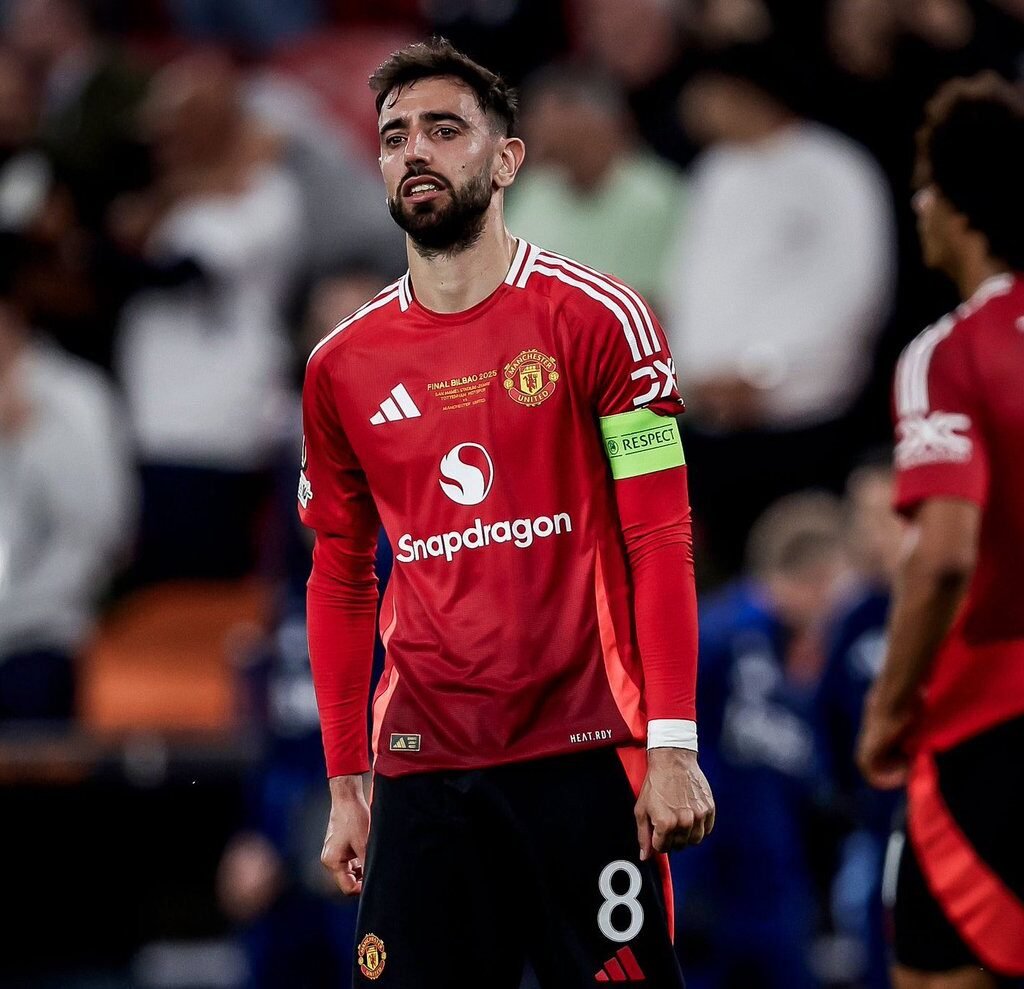
Manchester United captain Bruno Fernandes and head coach Michael Carrick have expressed contrasting views on the team’s tactical approach following their 4-1 defeat to Como in the UEFA Champions League.
The heavy defeat has intensified scrutiny of Carrick, with questions emerging over his tactics, the team’s performance and the relationship between the manager and his captain.
Carrick apologised to the 700 Manchester United supporters who travelled to watch the match. His reaction after the final whistle, when he crossed the pitch and repeatedly raised his hands towards the fans, also attracted attention.
The gesture drew comparisons with former United manager Ole Gunnar Solskjaer’s reaction after a 4-1 defeat to Watford in November 2021. Solskjaer was dismissed the following day.
However, Fernandes’ post-match comments brought the spotlight to the apparent differences between the captain and his manager over how United approached the game.
Speaking to TNT Sports on Wednesday, the Portuguese midfielder questioned the decision not to press Como aggressively, arguing that the approach gave their opponents too much time on the ball and allowed them to gain confidence.
Fernandes said the coaching staff had opted against man-to-man pressing, adding that allowing opponents to enjoy possession could make them more comfortable and give them greater control of the match.
Asked whether Carrick had got his tactics wrong, Fernandes declined to directly criticise the manager but said responsibility for the team’s approach rested with the coaching staff.
He argued that United needed to be braver under pressure by pressing higher up the pitch, taking risks and making their opponents uncomfortable.
Fernandes’ comments suggested that a more aggressive pressing strategy could have helped United disrupt Como’s rhythm and compete more effectively.
Carrick was subsequently asked about his captain’s remarks during his post-match press conference.
The United boss stressed that effort and commitment were essential, regardless of the tactical system being used.
He said players would struggle to win matches if they failed to run forward and track back, emphasising the importance of work rate in executing any game plan.
Although Carrick did not mention Fernandes by name, his response placed greater emphasis on the players’ effort than on the tactical concerns raised by the captain.
The exchange has drawn attention because of Fernandes’ position as captain and his influence within the team. Public disagreement over tactical decisions could add to the pressure on Carrick as he faces questions about United’s performances.
However, Fernandes did not explicitly call for the manager’s dismissal, while Carrick did not directly accuse his captain of undermining him.
The defeat and their contrasting comments have nevertheless raised questions about Manchester United’s tactical direction, the players‘ execution of the game plan and the level of agreement between the dressing room and coaching staff.
Carrick now faces the challenge of rebuilding confidence, improving performances and ensuring his players show the intensity required in upcoming matches.