
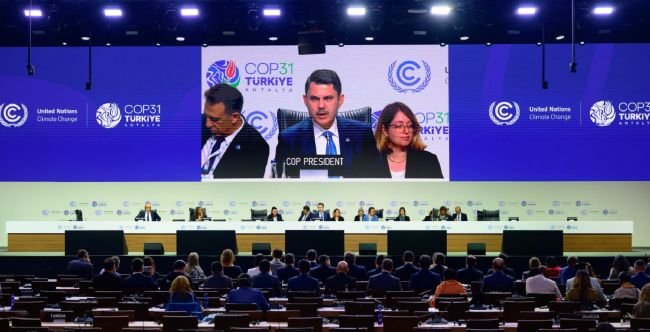
Global climate talks at COP31 in Turkey have ended in failure after delegates could not agree on a final deal, with disagreements over fossil fuels derailing negotiations that extended more than two days beyond schedule.
The summit’s final agreement collapsed in a chaotic conclusion on Sunday, November 22, highlighting growing divisions among nations over how to tackle climate change amid worsening geopolitical tensions.
UN Secretary-General Antonio Guterres expressed deep disappointment over the outcome, saying countries failed to meet the expectations of those demanding stronger action against the climate crisis.
Guterres had earlier called on nations to send fossil fuels “the way of the dinosaurs” during his appearance at the summit.
Negotiations chair Chris Bowen, Australia’s climate minister, admitted efforts to secure consensus among nearly 200 countries had failed because of what he described as “unbridgeable red lines”.
“Unfortunately, we were unable to reach agreement on a cover decision… And that’s disappointing. Very disappointing,” Bowen said.
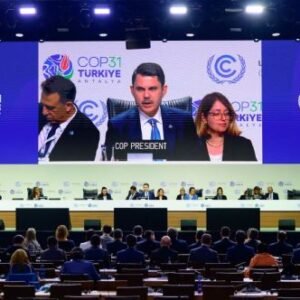
The summit was officially brought to a close by COP31 President and Turkey’s Environment Minister, Murat Kurum, more than 49 hours after its scheduled ending.
Fossil Fuels Dispute Derails Negotiations
The disagreement over fossil fuels was at the centre of the breakdown, with oil-producing countries resisting any explicit reference to phasing out coal, oil and gas in the final agreement.
The European Union and Saudi Arabia clashed over the pace of the transition away from fossil fuels, while Ireland and several other countries rejected a deal that failed to address the fuels responsible for driving climate change.
Ireland’s climate minister, Darragh O’Brien, said his country would not support an agreement that omitted fossil fuels, warning against what he described as greenwashing.
Panama, Vanuatu and the Marshall Islands also objected to the proposed agreement.
Former US Vice President and climate advocate Al Gore criticised the outcome, arguing that a handful of oil-producing nations should not be able to block references to fossil fuels in global climate agreements.
Gore also called for significant reforms to the COP process, saying most countries were willing to move forward in good faith.
Climate Summit Falls Short of Expectations
The failed agreement has raised fresh concerns about the effectiveness of international climate negotiations, with officials warning that the outcome fell short of expectations.
UN climate chief Simon Stiell described progress during the two-week negotiations in Antalya as limited.
“The world cannot afford a repeat,” he said, warning against another failure to secure meaningful climate commitments.
Countries have increasingly pursued climate initiatives outside the COP framework, with about 60 nations participating in a conference in April focused on phasing out fossil fuels.
Turkey and Australia, the summit’s co-hosts, attempted to secure compromise through a final text that made a limited reference to fossil fuels. The proposal also included support for carbon capture technology, which attracted criticism from opponents who questioned its cost and links to the fossil fuel industry.
A proposed global target for electrification, which the co-hosts said could reduce emissions and strengthen energy security, also failed to gain support.
Nations Raise Concerns Over Climate Targets and Funding
The breakdown also renewed concerns about the Paris Agreement’s target of limiting global warming to 1.5 degrees Celsius above pre-industrial levels, a threshold scientists warn could be exceeded in the coming years if emissions reduction efforts remain inadequate.
Disagreements over climate science and the role of the Intergovernmental Panel on Climate Change (IPCC) further complicated negotiations.
The United Kingdom’s climate negotiator, Kate Hughes, criticised the proposed agreement, saying it failed to demonstrate the ambition needed for meaningful climate action.
Developing countries also expressed frustration over the disappearance of a proposed $120 billion climate funding target from the final deal.
The summit’s failure underscores the widening divide between major polluting nations and vulnerable countries facing some of the most severe consequences of climate change.