

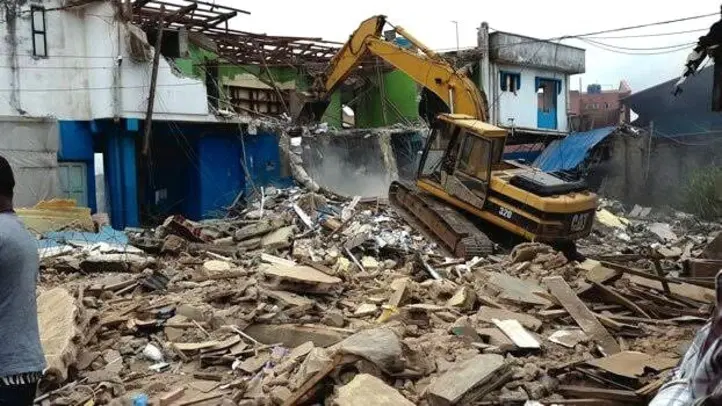
The Association of Igbo Town Unions, ASITU, has petitioned the United Nations Human Rights Council, the African Commission on Human and Peoples’ Rights, and the ECOWAS Court of Justice over the persistent demolition of shops and properties belonging to Igbo traders and investors in Lagos.
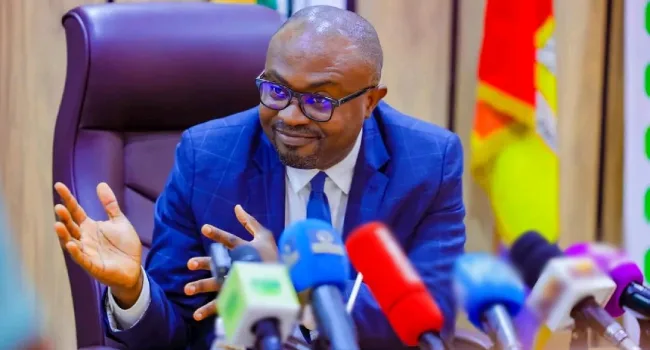
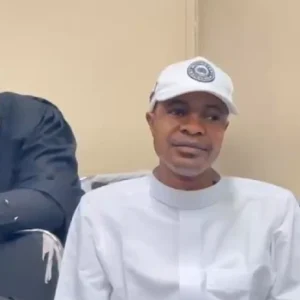
National President of ASITU, Chief Emeka Diwe, who addressed journalists in Umuahia, described the demolitions as “economic cleansing,” lamenting that Nigeria is “dying slowly from the cancer of ethnic discrimination and selective justice.”
Flanked by executive members from various Igbo communities, Diwe said the petition became necessary after repeated efforts to engage relevant Nigerian authorities yielded no response.
“We have done this not because we lack faith in Nigerian institutions, but because those institutions have failed to address our documented grievances,” he said.
ASITU dismissed the Lagos State Government’s claim that the demolished structures were built on waterways, insisting that affected properties were legally acquired and duly approved.“They send a message to investors that property rights in Nigeria are not secure and that ethnic sentiments may influence government actions,” Diwe stated. “This undermines investor confidence, economic growth, job creation, and Nigeria’s reputation as a country governed by the rule of law.”
The group alleged that many demolition notices were issued too close to execution dates, preventing property owners from seeking legal redress. It also accused officials of ignoring valid documentation presented by affected persons. “Many of the demolished buildings had valid approvals from the same Lagos State Government that later destroyed them. This is not law enforcement; it is the erasure of livelihoods and the violation of constitutional guarantees meant to protect all Nigerians,” ASITU declared.
The association urged affected property owners to remain peaceful and law-abiding, while calling on Ndigbo to reinvest part of their wealth in the South-East to strengthen the region’s economic base.
“To the Igbo business community, do not be discouraged. Embrace the philosophy of Aku Ruo Ulo—let wealth return home,” Diwe advised. “Build industries and invest in Igboland so that our homeland becomes an economic powerhouse that commands respect and security.”
He added that the group’s demand for justice was not about secession but about building economic resilience and promoting mutual respect, unity, and prosperity across Nigeria.






Panalowinlogin is alright. Not the best, but not the worst either. Got a good variety of games to choose from. Give it a spin at panalowinlogin.
https://t.me/dragon_money_mani/29
Houseoflucklogin? Oh man, that place is like my comfort zone online. Quick logins, decent games, what’s not to love? Check it out houseoflucklogin.