/ Aug 19, 2026
/ Aug 19, 2026

Nigeria

  • All
  • Africa
  • Agriculture
  • Aviation
  • Banking
  • Business
  • Crime
  • Economy
  • Education
  • Entertainment
  • fashion
  • Health
  • Home
  • International
  • Judiciary
  • lifestyle
  • Metro
  • News
  • Nigeria
  • Politics
  • Religion
  • Security
  • Sport
  • sports
  • Tech
  • Technology
  • World News
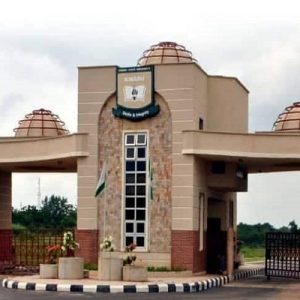
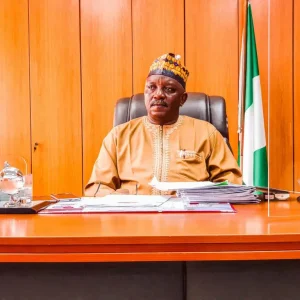
Kwara State university expels 175 students

July 9, 2024

The management of Kwara State University (KWASU), Malete, says it has expelled 175 students for various offences. This is contained in a statement issued by the Director of University Relations,...
Trending

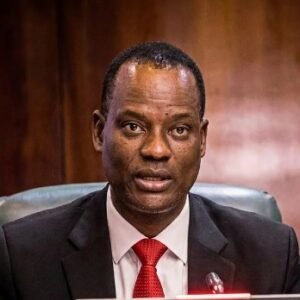
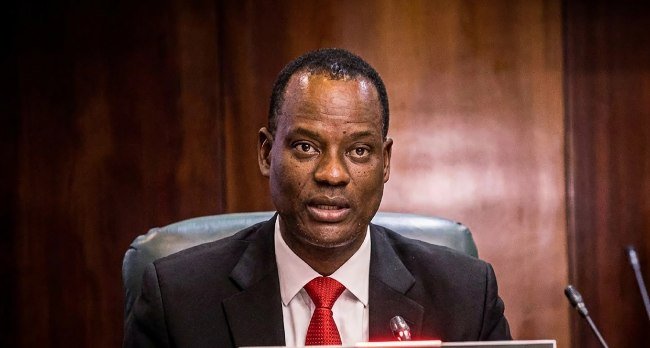
Taiwo Oyedele speaking at a tax policy event in Abuja on improving Nigeria's tax revenue and fiscal reforms.

Petrol subsidy removal saved Nigeria ₦15.8tn in 30 months – Oyedele 

The removal of Nigeria’s petrol subsidy saved the country ₦15.8 trillion between June 2023 and December 2025, according to the Minister of Finance and Coordinating Minister of the Economy, Taiwo Oyedele.   Oyedele disclosed the figure on Wednesday, August 19, 2026, during a press conference where he outlined the financial impact of the Federal Government’s economic reforms under President Bola Tinubu. According to the minister, the savings did not appear as a separate credit to the Federation Account labelled “subsidy savings”. Instead, they were reflected in resources available to the Federation. He said the Federal Government received ₦5.4 trillion, while ₦10.4 trillion was distributed to state and local governments through the Federation Account. Oyedele also disclosed that the Federal Government generated ₦3.1 trillion in additional independent revenue during the period, largely through remittances from government-owned entities and increased surpluses from government agencies. The government, he added, borrowed an additional ₦11.9 trillion between June 2023 and December 2025. Combined, the additional independent revenue and borrowing provided the Federal Government with ₦20.4 trillion in incremental resources during the period. However, Oyedele said total incremental expenditure stood at ₦30.64 trillion. The minister identified petrol subsidy removal and the unification of the foreign exchange market as key reforms introduced by the Tinubu administration to address longstanding economic challenges and reduce pressure on government finances. President Tinubu announced the removal of the petrol subsidy during his inauguration on May 29, 2023, declaring that “subsidy is gone”. The policy led to a sharp rise in petrol prices and increased transportation, logistics and production costs across the country. The Federal Government has defended the decision as necessary to reduce fiscal pressure and redirect public resources to other priorities. It has also introduced measures including wage adjustments, agricultural support and expanded Compressed Natural Gas initiatives to cushion the impact of the reforms.
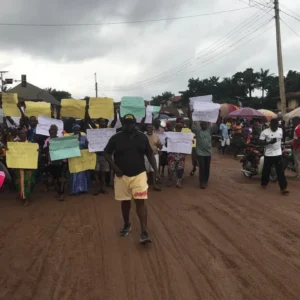
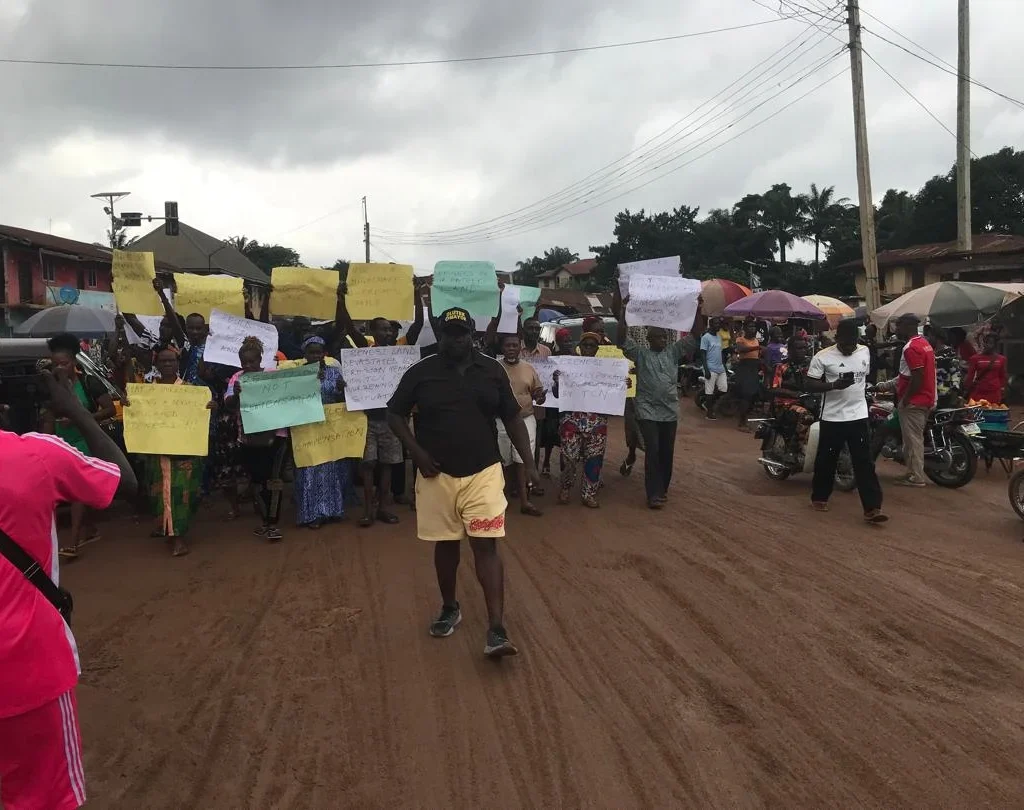
Ebenesi community residents in Nnobi, Anambra State, protesting against the planned demolition of homes for a power line project.

Anambra community protests demolition of houses for power project

The indigenes of Ebenesi Community in Nnobi, Idemili South Local Government Area of Anambra State, have protested against the planned demolition of ancestral homes to make way for a power line project.   The residents staged the protest on Tuesday at the Obi Ezenabo Traditional Centre, appealing to President Bola Tinubu and Anambra State Governor Chukwuma Soludo to intervene in the dispute involving the community and the Transmission Company of Nigeria. The protesters alleged that more than six elders had collapsed and died after their houses were marked for demolition. They also claimed that affected landlords were given 14 days to demolish their buildings or risk having them pulled down by the government, with the owners allegedly expected to bear the cost. Chairman of Ebenesi Community, Chief Okechukwu Oraka, said the residents were not opposed to infrastructure development but objected to the demolition because no relocation arrangement had been provided for affected families. Oraka also alleged that the power line route was diverted to Nnobi after the project had initially been planned to pass through other areas. He said the community had occupied the area for more than 200 years and urged the authorities to consider an alternative route or construct the power lines underground. The protesters, including youths and elderly residents, carried placards and chanted songs while calling for the project to be relocated or redesigned to prevent the destruction of residential buildings. Representatives of affected villages, including Staley Izuegbu of Ifite Village, Bartholomew Ojukwu of Umuafor Village and the Secretary of Umuona Village, also appealed for an alternative arrangement. An 81-year-old retired civil servant, Mrs Comfort Ngwudo, who spoke on behalf of residents above 80, urged the government to consider the impact of the planned demolition on elderly residents and families who have lived on the land for generations. The protesters later took their demonstration to Awuda and Ngo quarters in Nnobi, as well as the palace of the traditional ruler, Igwe Nick Obi, and the residence of the President-General of Nnobi, Chief Sir Aloy Olubialu. The traditional ruler, through his Palace Secretary, Ichie Obianumba Ajayiaku, and Olubialu commended the protesters for maintaining peace and assured them that their concerns would be communicated to the relevant authorities. However, a top official of the Anambra State Physical Planning Board, Cletus Ohame, said on Wednesday that demolition notices had been duly served on the affected landlords. Ohame said the area had been earmarked for the power line project for many years and described the project as part of infrastructural development. The dispute therefore centres on the proposed power line route, with residents seeking relocation or an alternative route while authorities maintain that the affected area was previously designated for the project.
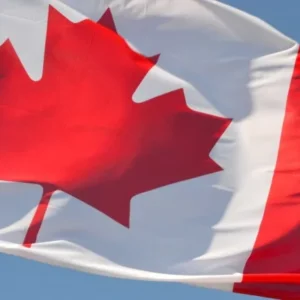
Canadian flag representing Canada's updated citizenship by descent rules for people born outside the country.

Canada invites 1,000 candidates for permanent residence

Canada has invited 1,000 candidates to apply for permanent residence through its Express Entry system under the Canadian Experience Class.   The invitation round was conducted on Tuesday, August 18, 2026, according to the latest ministerial instructions published by Immigration, Refugees and Citizenship Canada. Candidates required a minimum Comprehensive Ranking System score of 523 to receive an invitation. The draw was conducted at 10:13:44 UTC, with a tie-breaking rule based on candidates who submitted their Express Entry profiles by 22:09:00 UTC on August 17. The tie-breaking rule applies when more than one candidate has the lowest qualifying score, with the earlier profile submission date and time determining who receives an invitation. The latest round was specifically for the Canadian Experience Class, one of the three federal economic immigration programmes managed through Express Entry. Express Entry is Canada’s main online system for managing applications from skilled workers seeking permanent residence. It covers the Canadian Experience Class, Federal Skilled Worker Programme and Federal Skilled Trades Programme. Candidates are ranked using the CRS, which awards points for factors including age, education, language ability and work experience. Those with the highest scores are invited to apply for permanent residence during periodic draws. The Canadian Experience Class is designed for skilled workers with qualifying Canadian work experience. Generally, applicants need at least one year, or 1,560 hours, of skilled work experience in Canada within the previous three years in eligible National Occupational Classification TEER 0, 1, 2 or 3 occupations. Applicants also need to meet minimum language requirements. The programme does not require an education credential or proof of settlement funds, while applicants must plan to live outside Quebec. The latest draw was smaller and more competitive than an earlier Canadian Experience Class round on August 5, which issued 3,000 invitations at a CRS cut-off of 516. According to PUNCH, Immigration, Refugees and Citizenship Canada had issued more than 113,000 Express Entry invitations by mid-August 2026, with a significant proportion going to Canadian Experience Class candidates.

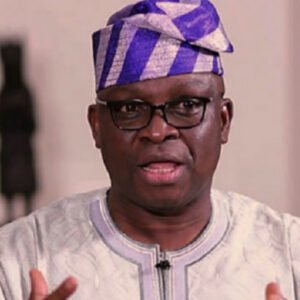
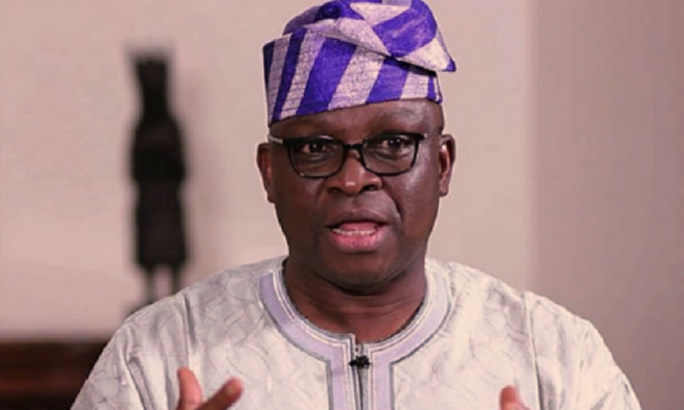
Osun poll: Fayose claims Accord spent N40bn, replies Davido

Former Ekiti State Governor Ayodele Fayose has claimed that the Accord Party spent at least N40bn during the August 15 Osun State governorship election.   Fayose made the allegation during a video interview with TVC journalist Nifemi Oguntoye, posted on the journalist’s X account on Wednesday. His comments came after Afrobeats singer David Adeleke, popularly known as Davido, alleged that the All Progressives Congress spent N110bn on vote-buying during the election. Davido, who is the nephew of re-elected Osun Governor and Accord Party candidate Ademola Adeleke, also claimed that the Accord Party did not spend money during the election but relied on the support of Osun residents. Fayose disputed that account, saying both major parties spent heavily during the poll. “Accord Party led the opponents. The money that went to that election from the Accord party itself cannot be under N40 billion. I stand to be corrected,” Fayose said. He also alleged that more than N7.5bn was distributed to various local governments and wards shortly before the election. Fayose, however, did not provide evidence to substantiate the figures. The former governor said both parties spent beyond the legal limit for election expenditure. “The fact remains that both parties spent stupendously. They spent beyond the threshold like every other political party,” he said. Fayose also questioned the timing of the alleged distribution of funds, referring to the Economic and Financial Crimes Commission’s freezing of accounts linked to the election-related controversy. He argued that money intended for residents could have been distributed much earlier rather than shortly before the poll. The Osun election was won by Adeleke, who secured 511,067 votes against APC candidate Bola Oyebamiji’s 444,815, giving the Accord candidate a margin of 66,252 votes. INEC results showed Adeleke won 19 of the state’s 30 local government areas. Fayose attributed a significant portion of Adeleke’s winning margin to his stronghold in Ede, saying the political strength of the Adeleke family in the area played a major role. He also urged the APC to challenge the election result in court if the party believed there were grounds to do so, particularly over the results recorded in Ede. Fayose further said President Bola Tinubu could have influenced the election in favour of the APC if he had chosen to do so, but instead described the President’s handling of the poll as magnanimous. On the implications of the Osun result for the 2027 general election, Fayose dismissed suggestions that the outcome had significantly strengthened the opposition. He argued that opposition parties had failed to unite, which he said had weakened their prospects ahead of the 2027 elections.

Must Read

Taiwo Oyedele speaking at a tax policy event in Abuja on improving Nigeria's tax revenue and fiscal reforms.

Petrol subsidy removal saved Nigeria ₦15.8tn in 30 months – Oyedele 

The removal of Nigeria’s petrol subsidy saved the country ₦15.8 trillion between June 2023 and December 2025, according to the Minister of Finance and Coordinating Minister of the Economy, Taiwo Oyedele.   Oyedele disclosed the figure on Wednesday, August 19, 2026, during a press conference where he outlined the financial impact of the Federal Government’s economic reforms under President Bola Tinubu. According to the minister, the savings did not appear as a separate credit to the Federation Account labelled “subsidy savings”. Instead, they were reflected in resources available to the Federation. He said the Federal Government received ₦5.4 trillion, while ₦10.4 trillion was distributed to state and local governments through the Federation Account. Oyedele also disclosed that the Federal Government generated ₦3.1 trillion in additional independent revenue during the period, largely through remittances from government-owned entities and increased surpluses from government agencies. The government, he added, borrowed an additional ₦11.9 trillion between June 2023 and December 2025. Combined, the additional independent revenue and borrowing provided the Federal Government with ₦20.4 trillion in incremental resources during the period. However, Oyedele said total incremental expenditure stood at ₦30.64 trillion. The minister identified petrol subsidy removal and the unification of the foreign exchange market as key reforms introduced by the Tinubu administration to address longstanding economic challenges and reduce pressure on government finances. President Tinubu announced the removal of the petrol subsidy during his inauguration on May 29, 2023, declaring that “subsidy is gone”. The policy led to a sharp rise in petrol prices and increased transportation, logistics and production costs across the country. The Federal Government has defended the decision as necessary to reduce fiscal pressure and redirect public resources to other priorities. It has also introduced measures including wage adjustments, agricultural support and expanded Compressed Natural Gas initiatives to cushion the impact of the reforms.
Read more
Taiwo Oyedele speaking at a tax policy event in Abuja on improving Nigeria's tax revenue and fiscal reforms.

Petrol subsidy removal saved Nigeria ₦15.8tn in 30 months – Oyedele 

The removal of Nigeria’s petrol subsidy saved the country ₦15.8 trillion between June 2023 and December 2025, according to the Minister of Finance and Coordinating Minister of the Economy, Taiwo Oyedele.   Oyedele disclosed the figure on Wednesday, August 19, 2026, during a press conference where he outlined the financial impact of the Federal Government’s economic reforms under President Bola Tinubu. According to the minister, the savings did not appear as a separate credit to the Federation Account labelled “subsidy savings”. Instead, they were reflected in resources available to the Federation. He said the Federal Government received ₦5.4 trillion, while ₦10.4 trillion was distributed to state and local governments through the Federation Account. Oyedele also disclosed that the Federal Government generated ₦3.1 trillion in additional independent revenue during the period, largely through remittances from government-owned entities and increased surpluses from government agencies. The government, he added, borrowed an additional ₦11.9 trillion between June 2023 and December 2025. Combined, the additional independent revenue and borrowing provided the Federal Government with ₦20.4 trillion in incremental resources during the period. However, Oyedele said total incremental expenditure stood at ₦30.64 trillion. The minister identified petrol subsidy removal and the unification of the foreign exchange market as key reforms introduced by the Tinubu administration to address longstanding economic challenges and reduce pressure on government finances. President Tinubu announced the removal of the petrol subsidy during his inauguration on May 29, 2023, declaring that “subsidy is gone”. The policy led to a sharp rise in petrol prices and increased transportation, logistics and production costs across the country. The Federal Government has defended the decision as necessary to reduce fiscal pressure and redirect public resources to other priorities. It has also introduced measures including wage adjustments, agricultural support and expanded Compressed Natural Gas initiatives to cushion the impact of the reforms.
Ebenesi community residents in Nnobi, Anambra State, protesting against the planned demolition of homes for a power line project.

Anambra community protests demolition of houses for power project

The indigenes of Ebenesi Community in Nnobi, Idemili South Local Government Area of Anambra State, have protested against the planned demolition of ancestral homes to make way for a power line project.   The residents staged the protest on Tuesday at the Obi Ezenabo Traditional Centre, appealing to President Bola Tinubu and Anambra State Governor Chukwuma Soludo to intervene in the dispute involving the community and the Transmission Company of Nigeria. The protesters alleged that more than six elders had collapsed and died after their houses were marked for demolition. They also claimed that affected landlords were given 14 days to demolish their buildings or risk having them pulled down by the government, with the owners allegedly expected to bear the cost. Chairman of Ebenesi Community, Chief Okechukwu Oraka, said the residents were not opposed to infrastructure development but objected to the demolition because no relocation arrangement had been provided for affected families. Oraka also alleged that the power line route was diverted to Nnobi after the project had initially been planned to pass through other areas. He said the community had occupied the area for more than 200 years and urged the authorities to consider an alternative route or construct the power lines underground. The protesters, including youths and elderly residents, carried placards and chanted songs while calling for the project to be relocated or redesigned to prevent the destruction of residential buildings. Representatives of affected villages, including Staley Izuegbu of Ifite Village, Bartholomew Ojukwu of Umuafor Village and the Secretary of Umuona Village, also appealed for an alternative arrangement. An 81-year-old retired civil servant, Mrs Comfort Ngwudo, who spoke on behalf of residents above 80, urged the government to consider the impact of the planned demolition on elderly residents and families who have lived on the land for generations. The protesters later took their demonstration to Awuda and Ngo quarters in Nnobi, as well as the palace of the traditional ruler, Igwe Nick Obi, and the residence of the President-General of Nnobi, Chief Sir Aloy Olubialu. The traditional ruler, through his Palace Secretary, Ichie Obianumba Ajayiaku, and Olubialu commended the protesters for maintaining peace and assured them that their concerns would be communicated to the relevant authorities. However, a top official of the Anambra State Physical Planning Board, Cletus Ohame, said on Wednesday that demolition notices had been duly served on the affected landlords. Ohame said the area had been earmarked for the power line project for many years and described the project as part of infrastructural development. The dispute therefore centres on the proposed power line route, with residents seeking relocation or an alternative route while authorities maintain that the affected area was previously designated for the project.

Editor's Pick

Trending News

Newsletter

Enter your email address and receive notifications of news by email.

You have been successfully Subscribed! Ops! Something went wrong, please try again.

© 2026 GongNews. All Rights Reserved.