
Nigeria’s security and peace-building institutions have intensified efforts to prevent political violence and rising tension as parties begin mobilisation for the 2027 general elections.
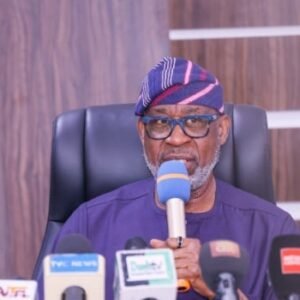
The Nigeria Police Force has commenced investigations into alleged inciting comments attributed to Borno State Commissioner for Youth and Sports Development, Sainna Buba; Kuje Area Council Chairman, Samuel Shekwolo; and Osun East Senator, Francis Fadahunsi.
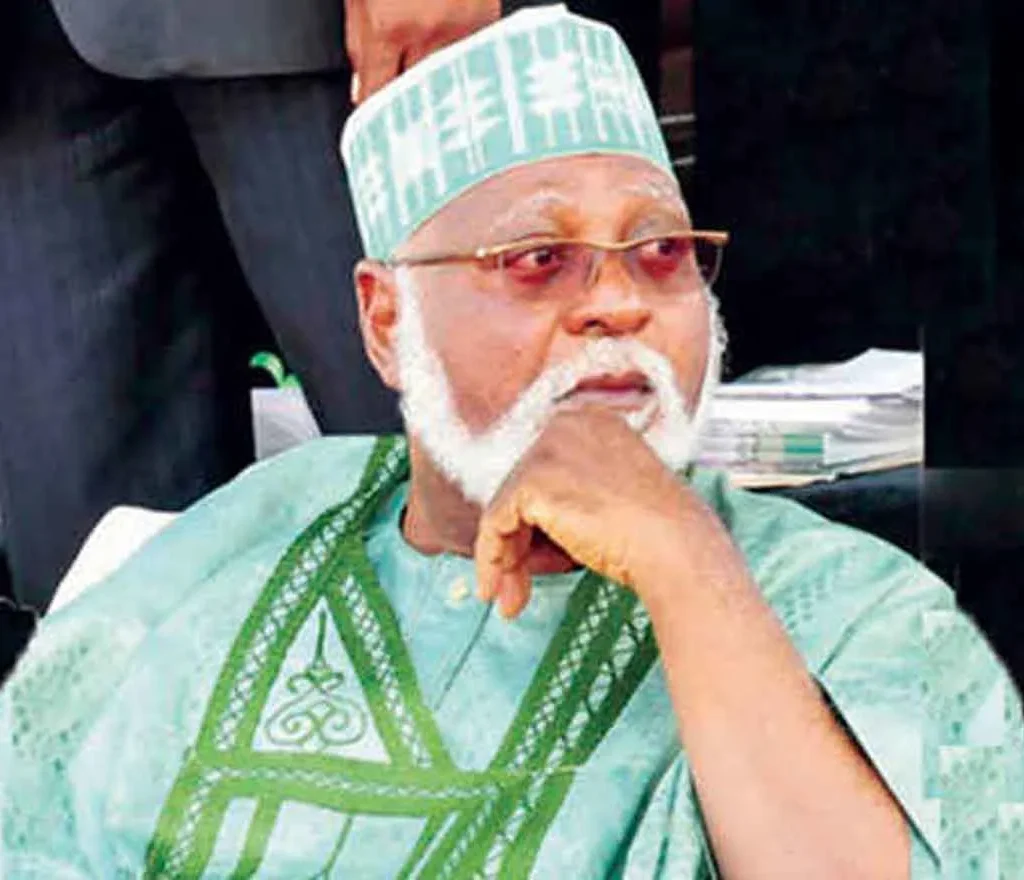
The National Peace Committee, led by former Head of State, General Abdulsalami Abubakar, has also activated a situation room and an Electoral Offences Tracking System to monitor campaign activities and alleged violations of the political accord.
The move follows a series of controversial statements and incidents that have heightened concerns over intimidation and violence ahead of the elections.
Shekwolo recently attracted criticism after a viral video showed him warning residents who did not support the All Progressives Congress to leave the Kuje Area Council.
Days later, suspected thugs reportedly attacked an Accord Party gathering in Kuje, Abuja, with cutlasses. The attackers allegedly chased participants away, destroyed campaign materials and furniture, and injured at least one person.
Fadahunsi also came under scrutiny after a video emerged showing him making threatening remarks against members of the Accord Party in Ilesa, Osun State.
Buba, meanwhile, was criticised over alleged remarks threatening to flog and cut off the fingers of residents who refused to support the APC in the 2027 election.
The police said the comments were being investigated, stressing that inciting statements relating to the electoral process constitute a criminal offence.
Speaking at a joint security spokespersons’ briefing in Abuja on Tuesday, Force spokesman Ani Iniedu said the police had questioned Fadahunsi over his alleged comments.
He said the outcome of investigations into all the alleged inciting statements would be made public, while urging political actors to refrain from inflammatory comments.
The police also disclosed that 154 people arrested during the August 15 Osun State governorship election remained under investigation.
Meanwhile, the National Peace Committee said it was documenting both violent and non-violent violations of the Peace Accord, electoral laws and other relevant frameworks.
The committee’s Head of Secretariat, Fr. Atta Barkindo, said the monitoring covered political parties, candidates, supporters and other stakeholders.
He said information gathered would be forwarded to the Independent National Electoral Commission and the police because the Peace Committee does not have constitutional powers to prosecute or impose sanctions.
The committee is also advocating the establishment of an Electoral Offences Commission by the National Assembly.
Opposition parties have accused the APC-led government of contributing to heightened political tension, with the PDP alleging that threats were being used to intimidate voters.
The APC rejected the allegations, with its Director of Publicity, Bala Ibrahim, challenging those making the claims to provide evidence.
Ibrahim argued that it would make little sense for a ruling party to deliberately create chaos while seeking to retain power.
Separately, the Savannah Centre for Diplomacy, Democracy and Development’s Council of the Wise, chaired by former Chief Justice of Nigeria Olukayode Ariwoola, has urged presidential candidates to reject hate speech, inflammatory remarks and violence during the 2027 campaigns.
The council made the call during an engagement with Peoples Redemption Party presidential candidate and former Cross River State Governor, Donald Duke, in Abuja.
Ariwoola urged Duke and other candidates to promote issue-based campaigns and comply with electoral laws and guidelines.
Duke assured the council that he and the PRP would conduct their campaigns lawfully and would not resort to violence or confrontation, even when faced with challenges.
The developments come as political parties intensify preparations for the 2027 general elections, with peace-building and security institutions warning stakeholders against conduct capable of undermining the electoral process.