

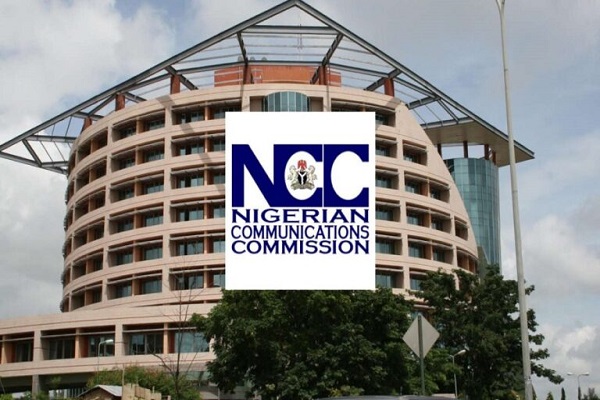
Nigeria’s House of Representatives has criticised the Nigerian Communications Commission over what lawmakers described as weak regulatory oversight, blaming the agency for persistently poor telecom services nationwide.
The lawmakers warned that unreliable connectivity, including frequent dropped calls and slow data speeds, poses risks to lives and property, particularly during emergencies.
The resolution followed a motion of urgent public importance moved by Ahmadu Jaha, representing Chibok, Damboa and Gwoza Federal Constituency of Borno State.
Speaking during the debate, Jaha highlighted the growing importance of telecommunications to Nigeria’s economy and daily life, noting a widening gap between subscriber expectations and actual service delivery.
“Telecommunication has become a vital part of everyday life in Nigeria. It connects families, supports businesses, enhances education, and drives economic growth. However, despite its importance, the quality of service provided by many telecom companies remains unsatisfactory,” he said.
Lawmakers cited recurring issues such as dropped calls, poor data speeds and failed message delivery as evidence of systemic inefficiencies in the sector. They also criticised the mismatch between rising telecom costs and the quality of services delivered.
“The high cost of data and call tariffs does not match the quality of service delivered,” Jaha added, noting that unstable connections often lead to rapid data depletion and financial losses for users.
Concerns were also raised over weak customer service systems, with subscribers reportedly facing delays in resolving complaints. Lawmakers said this could worsen outcomes in emergencies such as medical incidents, fires and road accidents.
Supporting the motion, Deputy Minority Whip George Ozodinobi accused telecom operators of prioritising profit over service improvement, while also faulting the NCC for regulatory complacency.
“It is like these companies have made enough profits in billions, and so, they don’t care about improving the network anymore. The NCC has become complacent,” he said.
Nigeria’s telecom sector has grown rapidly since liberalisation in the early 2000s, expanding from fewer than one million lines to over 200 million active subscriptions. However, infrastructure development has lagged behind subscriber growth.
Industry analysts attribute the poor service quality to inadequate base stations, unreliable power supply and high operating costs. Telecom operators also face challenges such as multiple taxation, vandalism of infrastructure and right-of-way constraints, particularly in rural and conflict-affected areas.
Despite these constraints, critics argue that the NCC has failed to enforce its Quality of Service regulations effectively, with penalties often seen as insufficient to drive compliance.
The House has now called on telecom operators to invest in modern infrastructure, expand coverage to underserved areas, improve customer service and adopt fair pricing that reflects service quality.
Lawmakers also directed the NCC to enforce stricter standards and hold service providers accountable, signalling a potential shift towards stronger legislative oversight.
An ad hoc committee is expected to be constituted to investigate the root causes of poor telecom service delivery and recommend further legislative action.