
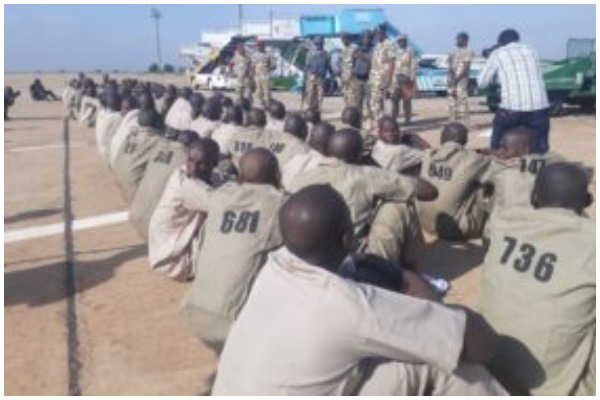
The Borno State government says former insurgents enrolled in the federal deradicalisation programme swear an oath on the Quran before they are released back into society, insisting the process is meant to stop them from returning to terrorism.
According to Punch Newspaper, the state government said the oath-taking is a final stage in its rehabilitation process for ex-members of Boko Haram and other armed groups, amid public concerns about the safety of reintegrating former fighters.
Speaking on News Central television, Zuwaira Gambo, Commissioner for Women Affairs and Social Development, said those who complete the Borno model undergo several rehabilitation steps before taking the religious oath.
She said swearing by the Quran carries serious consequences for those involved and claimed that anyone who returns to armed groups after surrendering would face rejection from their former allies.
Gambo added that once a former insurgent leaves the bush and surrenders to authorities, extremist groups often regard that person as an outsider, making a return difficult. She said this was one reason the state believed the reintegration model remained effective.
Her comments come after criticism over the reintegration of 744 former terrorists under Operation Safe Corridor, a federal programme designed to rehabilitate and reintegrate ex-combatants. Of that number, 597 were from Borno, while others came from Adamawa State, Yobe State, Kano State and other states.
The scheme has triggered debate over transparency, accountability and justice for victims of extremist violence.
Afam Osigwe, president of the Nigerian Bar Association, said reintegration without addressing the suffering of victims risked rewarding perpetrators while leaving survivors without closure.
Isa Sanusi of Amnesty International Nigeria also raised concerns, saying the government should be more transparent about the identities and roles of those passing through the programme.
Gambo acknowledged funding remained a major challenge, saying the programme requires resources to provide food, clothing, education and support services for participants.