

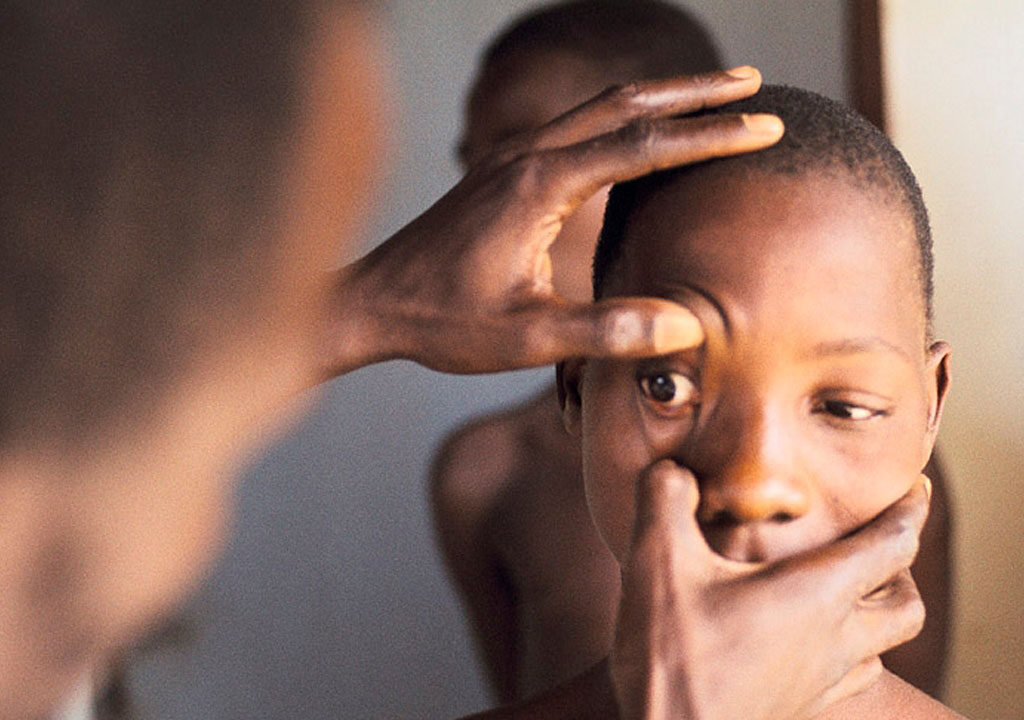
Tunisia has become the 31st country globally to eliminate Trachoma as a public health problem, according to the World Health Organization (WHO).
The announcement, first reported by The Guardian Nigeria, marks a major health milestone for the North African nation, where the disease was once widespread and affected large parts of the population, particularly in southern regions.
WHO Director-General Tedros Adhanom Ghebreyesus praised the achievement, saying it reflects years of political commitment, strong primary healthcare systems and coordinated teamwork. He said Tunisia had shown that trachoma, the world’s leading infectious cause of blindness, can be defeated through sustained intervention.
Trachoma is a bacterial eye infection that can lead to irreversible blindness if untreated. It is commonly linked to poor access to clean water, sanitation and hygiene, and has historically affected poorer and rural communities.
According to WHO, Tunisia’s success followed decades of nationwide intervention built around the SAFE strategy. This includes surgery for advanced cases, antibiotics to clear infection, facial cleanliness campaigns and environmental improvements such as better water and sanitation access.
The country also expanded school-based health programmes, community screening and treatment, while integrating eye care into primary healthcare services. These measures helped reduce transmission and improve early treatment.
WHO Regional Director for the Eastern Mediterranean, Hanan Balkhy, described the achievement as evidence of what long-term national commitment can accomplish in preventing avoidable blindness.
Tunisia’s Health Minister, Mustapha Ferjani, said the milestone was the result of coordinated efforts across generations of healthcare workers and local communities. He added that the country remains focused on preserving the gains and protecting future generations from the disease.
The WHO said Tunisia now joins a growing list of countries that have eliminated neglected tropical diseases through targeted public health programmes.