
/ May 14, 2026
/ May 14, 2026

Nigeria’s budgeting gaps threaten stability, IMF cautions

Published on

By

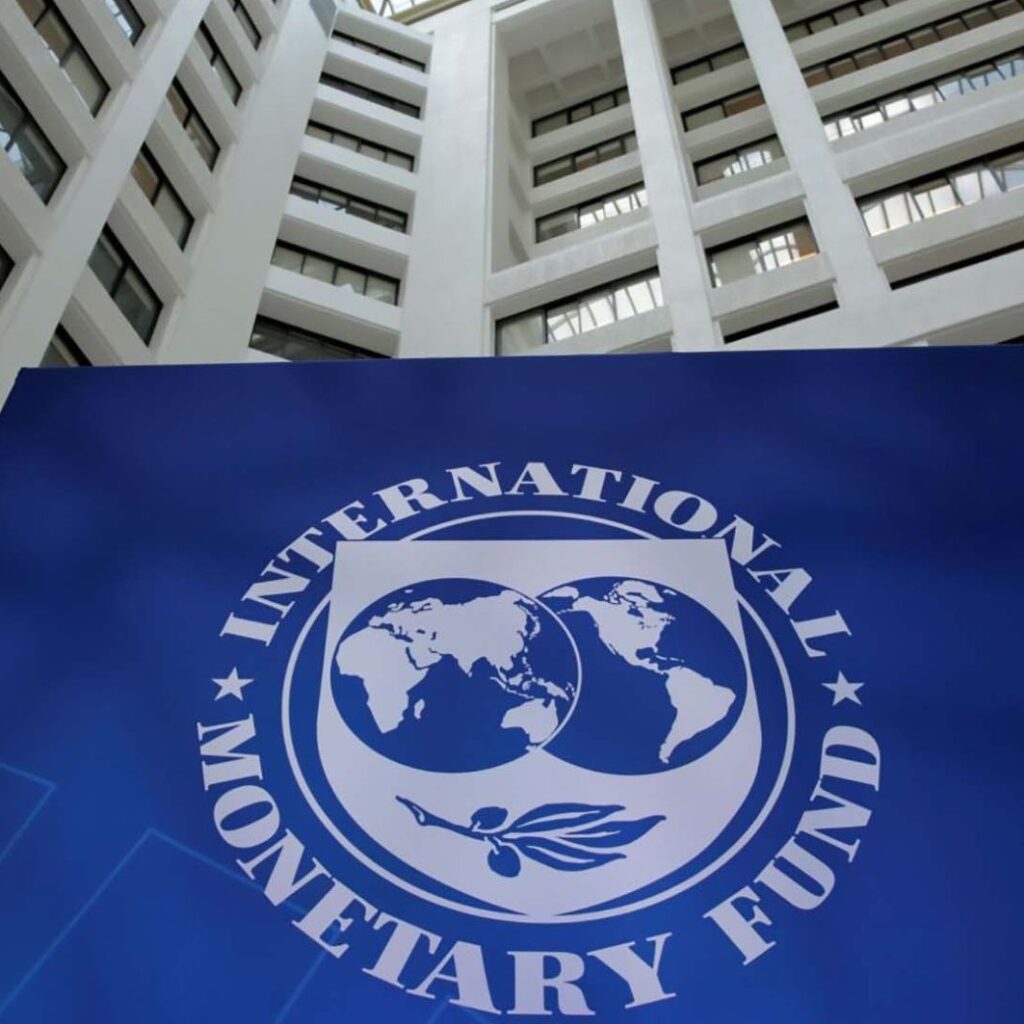
A new International Monetary Fund (IMF) report has highlighted deepening weaknesses in Nigeria’s budget execution system, warning that persistent gaps in planning and implementation are undermining fiscal stability and long-term development outcomes, according to The Guardian Nigeria.


The report, titled Budget Credibility in Sub-Saharan Africa, said Nigeria and several African countries continue to struggle with revenue shortfalls, weak expenditure control and repeated deviations from approved fiscal plans, leading to widening deficits and delayed infrastructure delivery.


It noted that Nigeria’s 2026 budget implementation has already been affected by structural issues, including delayed passage, overlapping budget cycles and optimistic revenue assumptions based on oil output and exchange rate projections that are not being met in practice.


The IMF further warned that chronic budget overruns and weak fiscal discipline are eroding investor confidence and weakening accountability, with capital projects often postponed or cut when revenue falls short, worsening infrastructure and social service gaps.

You May Like

Leave a Reply

Your email address will not be published. Required fields are marked *

Most Popular

Must Read

President Bola Tinubu and President Paul Kagame meeting in Kigali during the Africa CEO Forum, discussing bilateral cooperation and trade relations.

Tinubu, Kagame revive joint commission to boost Nigeria–Rwanda ties

President Bola Ahmed Tinubu and President Paul Kagame have agreed to strengthen Nigeria–Rwanda cooperation through renewed diplomatic and economic engagement, according to a report by Channels Television.   The two leaders reached the agreement during a meeting at the Urugwiro Presidential Villa in Kigali, where President Tinubu arrived for the Africa CEO Forum. Discussions focused on activating mechanisms to deepen bilateral relations and reviving the Joint Permanent Ministerial Commission (JPMC), originally signed in 2021.   Both presidents agreed that the JPMC should be reactivated as a key platform for advancing shared priorities. They also agreed that Nigeria should host the next meeting of the commission.   On consular matters, President Tinubu indicated that Nigeria would consider reciprocating Rwanda’s 30-day visa-free policy for Nigerians, in line with broader Pan-African integration goals.   The leaders also reviewed pending Memoranda of Understanding covering tourism, illicit drugs, and anti-corruption cooperation. They reaffirmed support for the African Continental Free Trade Agreement (AfCFTA), with both sides exploring ways to improve trade execution between the two countries.   According to Channels Television, discussions also included expanding air cargo connectivity, with Nigeria in talks with RwandAir to support export opportunities for Nigerian businesses. This follows Nigeria’s earlier establishment of a cargo corridor with Uganda Airlines aimed at improving regional trade flows.   The Africa CEO Forum, where the discussions took place, is expected to further strengthen investment and trade partnerships across the continent.
Read more

Editor's Pick

Trending News

Newsletter

Enter your email address and receive notifications of news by email.

You have been successfully Subscribed! Ops! Something went wrong, please try again.

© 2026 GongNews. All Rights Reserved.