
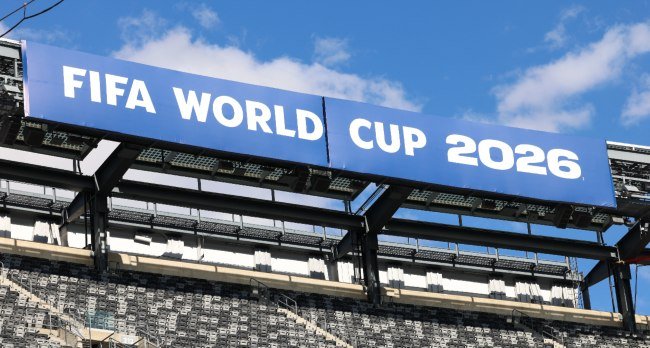
FIFA has introduced a last-minute ban on reusable water bottles at stadiums hosting matches during the 2026 World Cup, a move that has sparked concerns over fan welfare amid warnings of extreme heat.
The governing body confirmed that supporters will no longer be allowed to bring refillable water bottles into tournament venues across the United States, Canada and Mexico.
The decision marks a significant change from guidance issued as recently as May, when FIFA’s stadium code of conduct stated that empty, transparent reusable plastic bottles with a capacity of up to one litre would be permitted inside venues.
According to a report by The Athletic cited by Channels Television, FIFA has now revised its regulations to explicitly prohibit reusable water bottles.
The updated code states: “For the avoidance of doubt, reusable water bottles may not be brought into the stadium.”
FIFA defended the decision, saying the policy was introduced for safety reasons. In a statement to AFP, a FIFA spokesperson said several World Cup venues already restricted reusable bottles and that the organisation was applying a uniform standard across all tournament stadiums.
“FIFA is committed to protecting the health and safety of all players, referees, fans, volunteers, and staff,” the spokesperson said.
The governing body added that the ban is intended to reduce the risk of injuries to players and spectators.
To address hydration concerns, FIFA said cooling tents, misting stations, fans and hydration points will be available around stadium premises. Bottled water will also be sold inside venues at prices comparable to those charged during other events held at the stadiums.
The policy change comes despite growing concern from climate experts over potentially dangerous temperatures during the tournament.
A recent report by the World Weather Attribution research group estimated that 26 of the 104 matches scheduled for the 2026 World Cup could be played in conditions where the Wet Bulb Global Temperature exceeds 26 degrees Celsius. The measure combines temperature, humidity, wind and sunlight to assess heat stress on the human body.
Concerns over fan comfort were also raised during the 2025 FIFA Club World Cup in the United States, where supporters complained about intense heat and were similarly prevented from bringing water bottles into stadiums.
The 2026 World Cup will be jointly hosted by the United States, Canada and Mexico and is set to be the largest edition of the tournament in history.