
/ Nov 17, 2026
/ Nov 17, 2026

NERC orders DisCos to compensate band A customers for power shortfalls

Published on

By

Nigeria’s electricity regulator, the Nigerian Electricity Regulatory Commission (NERC), has directed electricity distribution companies (DisCos) to compensate eligible Band A customers affected by prolonged power supply shortfalls between February and March 2026.


According to a public notice issued by NERC and reported by TheCable, the compensation scheme was introduced after significant generation shortages across the Nigerian Electricity Supply Industry (NESI) prevented some DisCos from meeting the minimum service levels promised to Band A customers.

NERC attributed the supply disruptions largely to inadequate gas supply and vandalism of critical gas and transmission infrastructure, factors it said were beyond the direct operational control of distribution companies.

Under the directive, Band A feeders that recorded an average daily electricity supply of between 18 and 20 hours will be compensated under the existing framework outlined in Addendum No. NERC/2024/003. The arrangement applies to both maximum demand (MD) and non-maximum demand (Non-MD) customers.

For Band A feeders that received less than 18 hours of electricity daily during the affected period, NERC said customers would not be downgraded to another tariff band. Instead, eligible consumers will receive special compensation.

The regulator stated that Non-MD customers will receive compensation equivalent to 20 per cent of the approved February 2026 energy cap applicable to their feeder. MD customers will receive compensation equivalent to 20 per cent of the average energy billed per MD customer in February 2026.

NERC further directed that prepaid customers should receive the compensation through electricity token credits, while postpaid customers should benefit through bill adjustments.

The commission also prohibited DisCos from using compensation credits to offset outstanding customer debts. It instructed distribution companies to clearly communicate the value of the compensation and the period it covers to affected customers.

“NERC remains committed to protecting electricity consumers while ensuring the stability and sustainability of the electricity market,” the commission said.

The regulator added that it will continue monitoring implementation of the directive and verify compliance to ensure all eligible customers receive the compensation due to them.

You May Like

Leave a Reply

Your email address will not be published. Required fields are marked *

Most Popular

Must Read

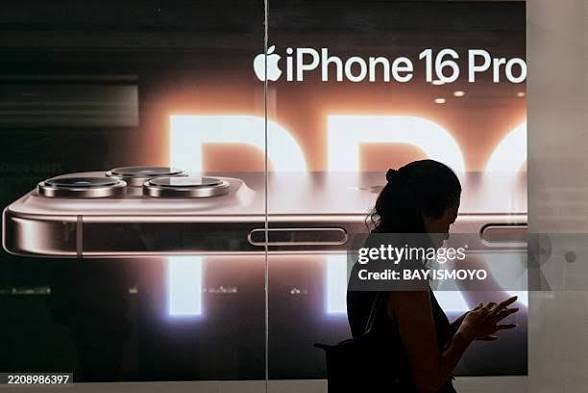
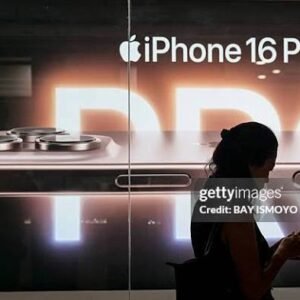
A woman stands outside a store selling the Apple iPhone 16 in Jakarta, Indonesia, amid controversy over Apple's smartphone policies.

Apple faces Paris trial over alleged iPhone planned obsolescence

Technology giant Apple is to stand trial in Paris in June 2027 over allegations of planned obsolescence involving several iPhone models.   The case centres on claims that the company deliberately restricted repairs and refurbishment outside its authorised service network, making it difficult for independent repairers to fix affected devices. According to AFP, citing a source close to the case, Apple Distribution International and its parent company, Apple Inc., are scheduled to appear in court for a four-day trial beginning on June 17, 2027. French prosecutors are pursuing charges of “obstructing repair and refurbishment” against the US-based technology company. The allegations followed a complaint filed on December 7, 2022, by campaign group Stop Planned Obsolescence, which described the decision to proceed to trial as a first. The group welcomed the development, accusing Apple of practices that allegedly made repairing certain devices outside its authorised network impossible. The alleged conduct is said to have affected several iPhone models between November 2021 and July 2024, a period of more than two and a half years. Apple is accused of configuring its smartphone software in ways that prevented independent repairers from repairing or refurbishing affected devices. Prosecutors allege that the practices were intended to boost sales of Apple’s flagship smartphone and increase the company’s revenue. Apple, however, has rejected the allegations. “We strongly contest these unfounded allegations,” the company told AFP when contacted about the case. Planned obsolescence refers to practices by manufacturers that deliberately shorten the usable lifespan of products, particularly electronic devices, encouraging consumers to replace them more frequently. Apple generates more than $400 billion in annual revenue, with iPhone sales accounting for approximately half of its business. The Paris trial is expected to examine the allegations surrounding the company’s repair policies and the use of software restrictions affecting independent repair services.
Read more

Editor's Pick

Trending News

Newsletter

Enter your email address and receive notifications of news by email.

You have been successfully Subscribed! Ops! Something went wrong, please try again.

© 2026 GongNews. All Rights Reserved.