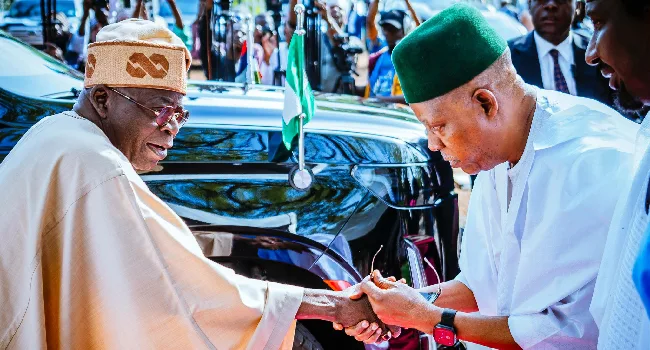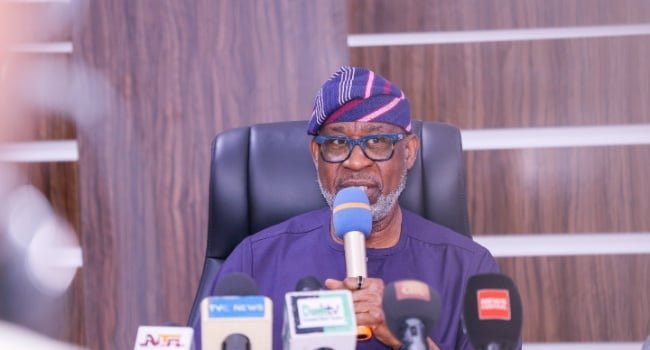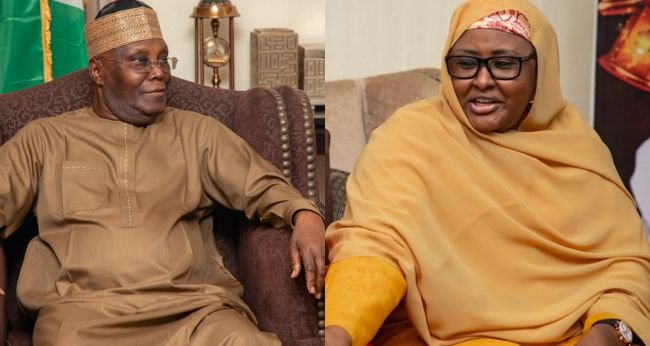

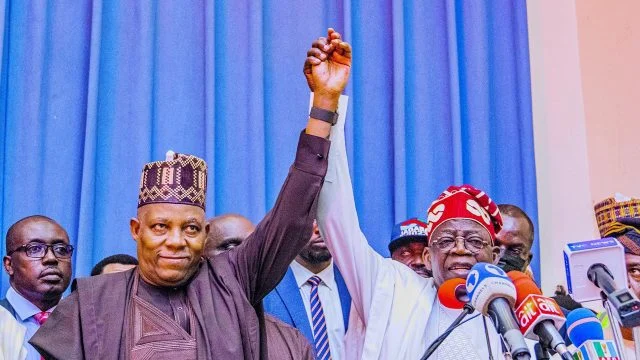
President Bola Tinubu’s decision to retain Vice President Kashim Shettima as his running mate for the 2027 presidential election has revived nationwide debate over the All Progressives Congress’ (APC) Muslim-Muslim ticket.
According to Punch, the ruling party’s confirmation ended months of speculation that Tinubu might replace Shettima with a Northern Christian to address concerns about religious balance ahead of the next general election.
The same-faith ticket first generated controversy before the 2023 election, with critics arguing that it failed to reflect Nigeria’s religious diversity. Despite the criticism, Tinubu and Shettima secured victory and the APC has now opted to keep the partnership for a second term.
Political parties and stakeholders remain divided over the decision. The All Progressives Grand Alliance and the Young Progressives Party argued that leadership competence, integrity and performance should take precedence over religious identity when Nigerians choose their leaders.
APGA National Publicity Secretary, Ejimofor Opara, said elections should be decided by candidates’ ability to govern rather than their faith. Similarly, YPP spokesman Wale Egbeola-Martins maintained that Nigeria’s leadership challenges stem from poor governance rather than the religious identities of those in power.
The APC defended its decision, insisting it was made after carefully considering the country’s political realities. The party’s Director of Publicity, Bala Ibrahim, said the Muslim-Muslim ticket had not produced the religious tensions predicted before the 2023 election and argued that the administration had promoted interfaith harmony since assuming office.
Action Democratic Party National Chairman Yabagi Yusuf and Coalition of United Political Parties leader Mark Adebayo also said the 2027 election would be shaped more by security, economic conditions and the government’s performance than by religious considerations.
The Ijaw Youths Council shared a similar position, with its President, Jonathan Lokpobiri, urging Nigerians to prioritise competence and good governance over religious affiliation.
However, several organisations criticised the APC’s decision. The Coalition of South East Youth Leaders described the retention of the same-faith ticket as insensitive to Nigeria’s religious diversity, while the South-South Youths Initiative alleged the move was driven mainly by electoral calculations.
Middle Belt Forum President, Dr Pogu Bitrus, said retaining another Muslim-Muslim ticket sends the wrong signal in a religiously diverse country and called on the APC to reconsider its position.
The Centre for Accountability and Open Leadership offered a different perspective, with its Chairman, Debo Adeniran, noting that the fears expressed before the 2023 election had not materialised and suggesting that Tinubu’s confidence in Shettima’s loyalty influenced the decision.
APC stakeholders in Abia State also backed the President, saying there was no reason to replace a vice president who had worked harmoniously with Tinubu since 2023. Ohanaeze chieftain Justice Rowland Ajuzieogu and industrialist Sam Ohuabunwa similarly defended the decision, citing Shettima’s loyalty and the success of the existing ticket.
A faction of Afenifere led by Oba Olaitan Oladapo, however, faulted the renomination, arguing that another Muslim-Muslim ticket failed to reflect fairness, inclusiveness and religious balance in Nigeria.
The renewed debate highlights the continuing divide over whether competence or religious representation should carry greater weight as political parties prepare for the 2027 presidential election.