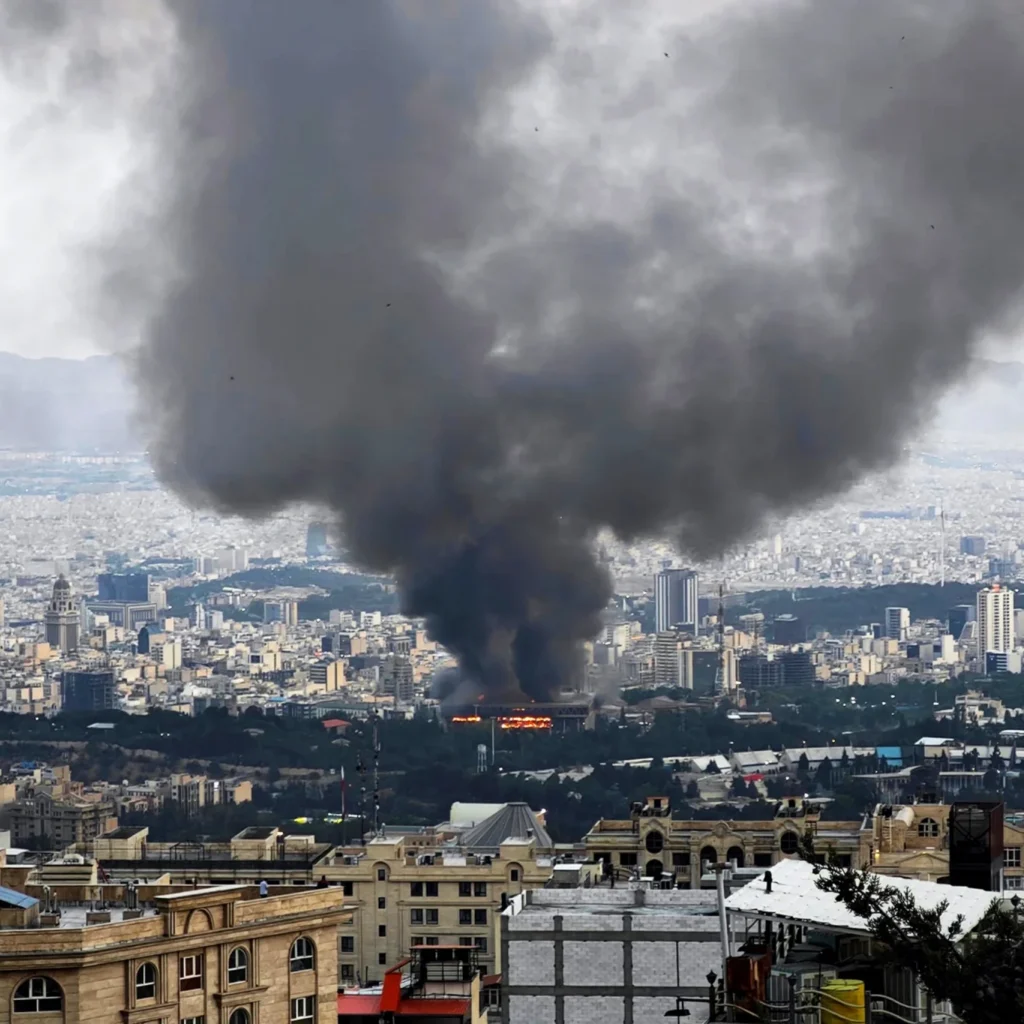
Iran has suspended its retaliatory strikes against the United States and its regional allies after Washington halted military attacks for two consecutive nights, raising hopes of renewed diplomatic engagement in the nearly five-month conflict.
According to Channels Television, citing AFP, Iran’s army spokesman Mohammad Akraminia said Tehran had stopped its retaliatory operations after US strikes ceased. He noted that Iran’s military strategy had been largely defensive and based on retaliation.
The pause comes after 13 consecutive nights of US attacks on Iranian targets, marking the most intense phase of the conflict since an April ceasefire. The fighting, which initially centred on the strategic Strait of Hormuz, later spread to attacks on US bases, regional shipping and Gulf allies.
US Ambassador to the United Nations Mike Waltz said President Donald Trump was allowing negotiations “a little bit of room” while maintaining that American forces remained fully prepared for military action if required. He dismissed reports suggesting the pause was linked to dwindling US missile defence stockpiles.
Israeli Prime Minister Benjamin Netanyahu, who is expected at the White House on Tuesday, reiterated support for Trump’s efforts to end Iran’s nuclear programme. He said Iran’s nuclear ambitions must be stopped through diplomacy or military action if necessary.
Although Trump said negotiations with Tehran were continuing and showing signs of progress, he stressed that no final decision had been made on whether to resume a full-scale military campaign.
Meanwhile, the conflict has expanded to Yemen, where Iran-backed Houthi rebels claimed they shot down a Saudi drone and attacked Saudi Aramco oil facilities after Riyadh carried out strikes on Houthi positions.
Despite the regional tensions, daily life in Tehran appeared largely normal on Sunday, with businesses operating as usual amid a heatwave.