
More than 60 lecturers across Nigerian universities and polytechnics have been suspended, dismissed, had their appointments terminated or faced prosecution over allegations of sexual harassment and other forms of sexual misconduct between 2021 and July 2026.
According to an analysis by Punch Newspapers, tertiary institutions have continued to enforce zero-tolerance policies against sexual misconduct, although reports of lecturers demanding sexual favours from students persist across the country.
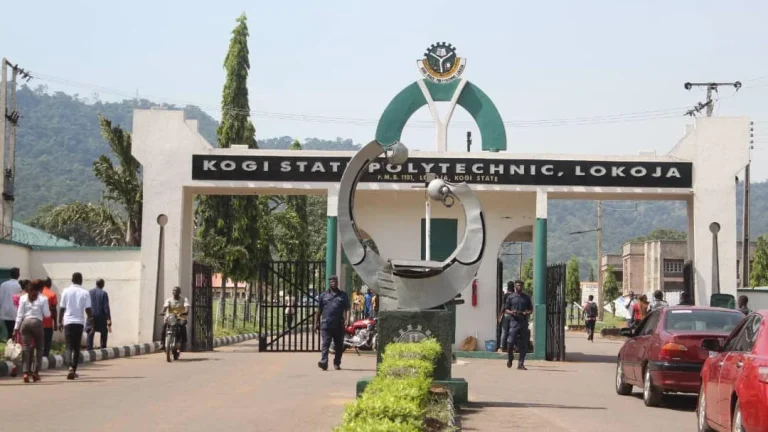
Among the latest cases, Paul University, Awka, suspended a practical biology technologist, Cornelius Eze, on July 27, 2026, following allegations of serious sexual misconduct. Earlier in July, Kogi State Polytechnic terminated the appointment of lecturer Mukhtar Muhammed over allegations of sexually molesting a student. The institution had also dismissed another lecturer, Abutu Thompson, in December 2025 after he was found guilty of sexually harassing and victimising a female student.
Other recent disciplinary actions include the indefinite suspension of a lecturer at the University of Nigeria, Nsukka in 2024, the dismissal of three lecturers by the Lagos State University of Science and Technology in April 2025, and the removal of lecturers at Lagos State University and Abubakar Tafawa Balewa University over separate sexual harassment cases.
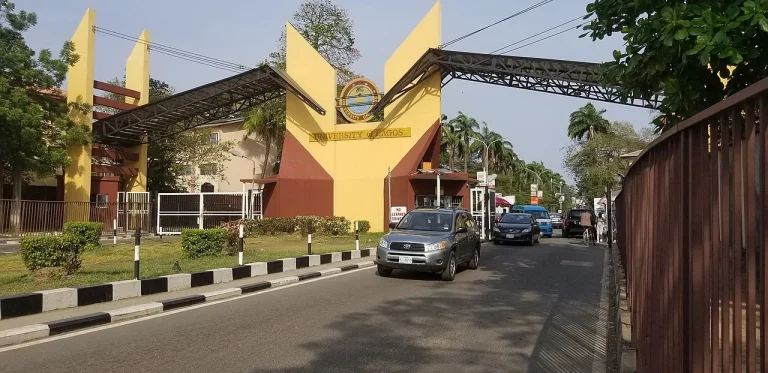
The report also highlighted earlier sanctions across several institutions, including the University of Lagos, University of Port Harcourt, Federal University Oye-Ekiti, Akwa Ibom State University, Federal Polytechnic Bauchi, Kwara State University, University of Abuja, Ambrose Alli University, University of Calabar, and the Federal College of Forestry, among others.
One of the most high-profile cases involved former University of Calabar law dean, Prof. Cyril Ndifon, whose suspension in 2023 later led to criminal proceedings.
A 2018 World Bank Group survey cited in the report found that about 70 per cent of female graduates from Nigerian tertiary institutions experienced one form of sexual harassment during their studies. Many victims reportedly failed to report incidents due to fear of victimisation, intimidation and possible academic consequences.
The issue has returned to national attention following recent court action by a University of Lagos student who accused a lecturer of sexual harassment, renewing calls for stronger protection for survivors.
In 2025, members of the House of Representatives introduced legislation proposing stiffer penalties for lecturers found guilty of sexually harassing students and requiring tertiary institutions to establish transparent reporting and investigation procedures.
Education rights advocates have urged President Bola Tinubu to sign the proposed legislation into law.
Director of Programmes at Reform Education Nigeria, Ayodamola Oluwatoyin, said presidential assent would strengthen efforts to make campuses safer, while former Gender Justice Programme Manager at the Shehu Musa Yar’Adua Foundation, Nafisa Atiku-Adejuwon, called for survivor-centred reporting systems that protect complainants, guarantee confidentiality and ensure prompt investigations.