
Iran has said any reopening of the strategically important Strait of Hormuz depends on the United States ending what Tehran describes as a naval blockade and hostile actions against the country.
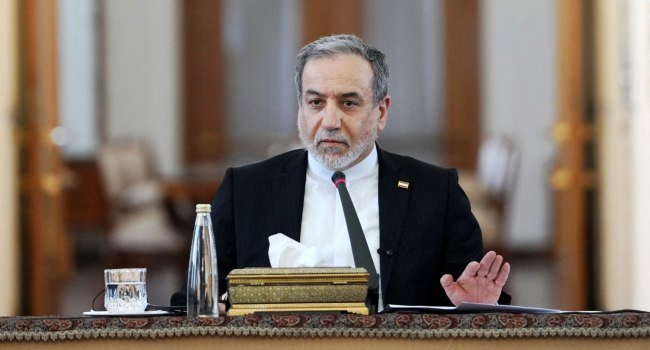
According to Channels Television, citing AFP and Iran’s state news agency IRNA, Foreign Ministry spokesman Esmaeil Baqaei said Iran had reached an understanding with neighbouring Oman on a shipping route through the strait, with both sides finalising arrangements for its joint management.
Baqaei said the proposed agreement would not automatically make the waterway safe for international shipping, insisting that US military actions remained the main obstacle.
> “The factors making the Strait of Hormuz insecure still exist on the part of the United States, particularly the naval blockade and other aggressive and threatening actions against Iran and its interests,” he said.
Iran has exercised de facto control over the Strait of Hormuz since the outbreak of war with the United States and Israel on February 28, warning that vessels using routes it considers unauthorised could face action.
Tehran said the geographical coordinates for the proposed shipping route with Oman had been agreed, while a joint statement outlining the key terms was in its final drafting stage, provided there was no interference from third parties.
Security concerns remain high in the region. Britain’s maritime security agency, UKMTO, reported that the captain of an oil tanker heard two explosions while sailing through the strait near Kumzar, Oman. The vessel and its crew were reported safe.
Separately, Yemen’s Houthi movement claimed responsibility for missile strikes on two Saudi oil tankers, identified as Wafa and Daisy, marking the latest attacks since the group announced a blockade of Saudi shipping. Saudi authorities had not commented at the time of reporting.
The Strait of Hormuz, which carried about one-fifth of global oil and liquefied natural gas exports before the conflict, remains one of the world’s most critical energy routes. Disruptions have repeatedly pushed up global energy prices and increased pressure on Washington to restore stability.
Meanwhile, US Vice President JD Vance acknowledged that diplomacy with Iran would take time, describing Iran’s leadership structure as “fractured” and negotiations as likely to be complex.
US President Donald Trump has repeatedly said Iran is seeking a deal and recently warned Tehran to reopen the waterway or face severe consequences. However, Iran has denied that negotiations with Washington are taking place.