
/ Aug 19, 2026
/ Aug 19, 2026

Petrol subsidy removal saved Nigeria ₦15.8tn in 30 months – Oyedele 

Published on

By

The removal of Nigeria’s petrol subsidy saved the country ₦15.8 trillion between June 2023 and December 2025, according to the Minister of Finance and Coordinating Minister of the Economy, Taiwo Oyedele.


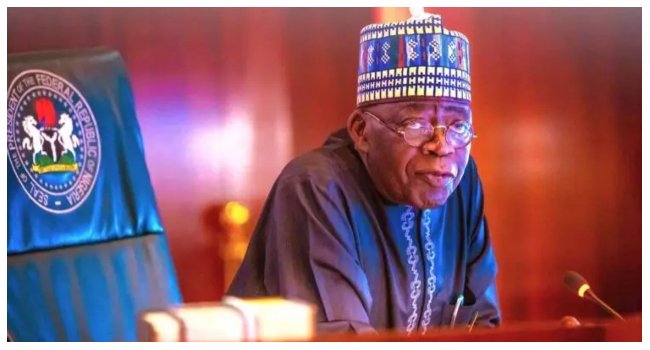
Oyedele disclosed the figure on Wednesday, August 19, 2026, during a press conference where he outlined the financial impact of the Federal Government’s economic reforms under President Bola Tinubu.

According to the minister, the savings did not appear as a separate credit to the Federation Account labelled “subsidy savings”. Instead, they were reflected in resources available to the Federation.

He said the Federal Government received ₦5.4 trillion, while ₦10.4 trillion was distributed to state and local governments through the Federation Account.

Oyedele also disclosed that the Federal Government generated ₦3.1 trillion in additional independent revenue during the period, largely through remittances from government-owned entities and increased surpluses from government agencies.

The government, he added, borrowed an additional ₦11.9 trillion between June 2023 and December 2025.

Combined, the additional independent revenue and borrowing provided the Federal Government with ₦20.4 trillion in incremental resources during the period.

However, Oyedele said total incremental expenditure stood at ₦30.64 trillion.

The minister identified petrol subsidy removal and the unification of the foreign exchange market as key reforms introduced by the Tinubu administration to address longstanding economic challenges and reduce pressure on government finances.

President Tinubu announced the removal of the petrol subsidy during his inauguration on May 29, 2023, declaring that “subsidy is gone”.

The policy led to a sharp rise in petrol prices and increased transportation, logistics and production costs across the country.

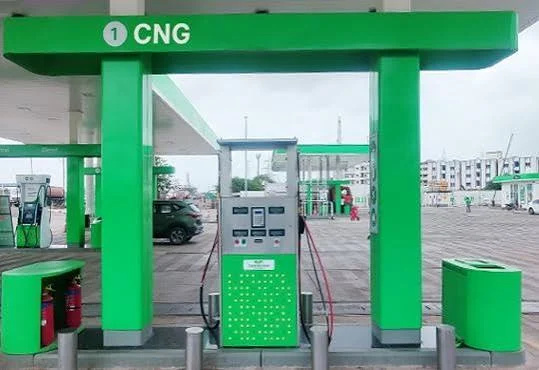
The Federal Government has defended the decision as necessary to reduce fiscal pressure and redirect public resources to other priorities. It has also introduced measures including wage adjustments, agricultural support and expanded Compressed Natural Gas initiatives to cushion the impact of the reforms.


You May Like

Leave a Reply

Your email address will not be published. Required fields are marked *

Most Popular

Must Read

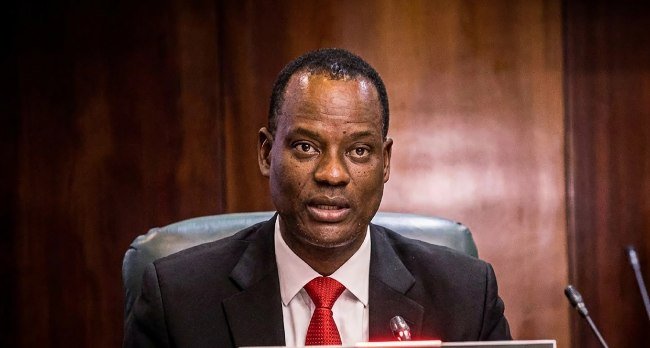
Taiwo Oyedele speaking at a tax policy event in Abuja on improving Nigeria's tax revenue and fiscal reforms.

Petrol subsidy removal saved Nigeria ₦15.8tn in 30 months – Oyedele 

The removal of Nigeria’s petrol subsidy saved the country ₦15.8 trillion between June 2023 and December 2025, according to the Minister of Finance and Coordinating Minister of the Economy, Taiwo Oyedele.   Oyedele disclosed the figure on Wednesday, August 19, 2026, during a press conference where he outlined the financial impact of the Federal Government’s economic reforms under President Bola Tinubu. According to the minister, the savings did not appear as a separate credit to the Federation Account labelled “subsidy savings”. Instead, they were reflected in resources available to the Federation. He said the Federal Government received ₦5.4 trillion, while ₦10.4 trillion was distributed to state and local governments through the Federation Account. Oyedele also disclosed that the Federal Government generated ₦3.1 trillion in additional independent revenue during the period, largely through remittances from government-owned entities and increased surpluses from government agencies. The government, he added, borrowed an additional ₦11.9 trillion between June 2023 and December 2025. Combined, the additional independent revenue and borrowing provided the Federal Government with ₦20.4 trillion in incremental resources during the period. However, Oyedele said total incremental expenditure stood at ₦30.64 trillion. The minister identified petrol subsidy removal and the unification of the foreign exchange market as key reforms introduced by the Tinubu administration to address longstanding economic challenges and reduce pressure on government finances. President Tinubu announced the removal of the petrol subsidy during his inauguration on May 29, 2023, declaring that “subsidy is gone”. The policy led to a sharp rise in petrol prices and increased transportation, logistics and production costs across the country. The Federal Government has defended the decision as necessary to reduce fiscal pressure and redirect public resources to other priorities. It has also introduced measures including wage adjustments, agricultural support and expanded Compressed Natural Gas initiatives to cushion the impact of the reforms.

Read more

Editor's Pick

Trending News

Newsletter

Enter your email address and receive notifications of news by email.

You have been successfully Subscribed! Ops! Something went wrong, please try again.

© 2026 GongNews. All Rights Reserved.