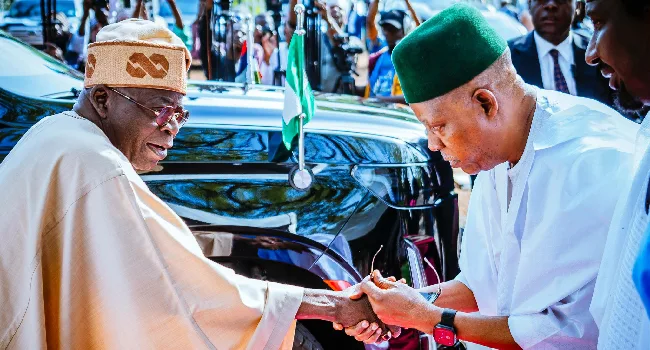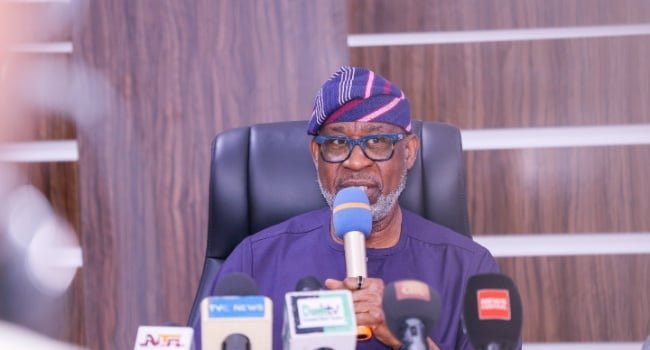

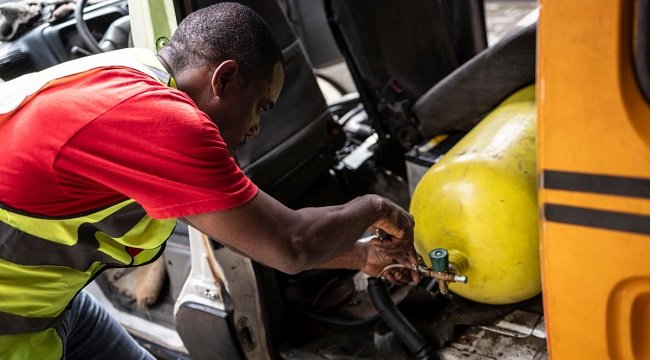
President Bola Tinubu has directed the rollout of an additional 500 Compressed Natural Gas (CNG) refuelling stations across Nigeria as part of efforts to reduce transportation costs following the removal of the petrol subsidy.
Tinubu gave the directive on Thursday after meeting with state governors, who agreed to take immediate steps to reduce transport fares in their respective states by promoting cheaper energy sources, including CNG and electric vehicles.
The President said the additional 500 stations would bring the Federal Government’s planned CNG refuelling network to 1,000 stations nationwide.
According to him, vehicles powered by CNG use between 60 and 80 per cent less fuel than petrol-powered vehicles, with the government seeking to ensure that Nigerians benefit from the resulting lower operating costs.
“From October 1, our goal is that Nigerians begin to partake in those savings through lower transport fares,” Tinubu said, adding that cheaper fuel should translate into cheaper fares.
The President said intra-state transportation was where Nigerians felt the impact of high transport costs most directly, making state governments crucial to delivering relief to commuters.
Over 120,000 Vehicles Converted
Tinubu said more than 120,000 vehicles had already been converted to CNG nationwide, while more than 100,000 additional conversion kits were being developed.
He added that the government was expanding vehicle conversion centres and CNG refuelling infrastructure across the country.
Through the Midstream and Downstream Gas Infrastructure Fund, more than 100 gas projects are currently being financed, including 15 CNG mother stations and 86 daughter stations.
The President also said four projects were commissioned in Lagos, Abuja and Owerri in May. They included a 15-station refuelling network in Lagos and a CNG facility in Abuja capable of serving up to 1,000 cars and tricycles and 50 trucks and buses daily.
Tinubu said the Federal Government and state governments must continue working together to ensure that the benefits of cheaper energy reach Nigerians.
CNG Push After Subsidy Removal
The expansion is part of the Tinubu administration’s response to the economic impact of the removal of the petrol subsidy.
Tinubu announced the end of the subsidy during his inauguration on May 29, 2023, declaring that “fuel subsidy is gone”. The policy led to a sharp rise in petrol prices and contributed to increased transportation costs and higher living expenses.
The administration subsequently launched the Presidential CNG Initiative to provide cheaper alternatives to petrol and cushion the effects of the subsidy reform.
The government has since expanded the programme to include vehicle conversions, refuelling infrastructure and gas projects aimed at supporting wider adoption of CNG-powered transportation.
According to Minister of Finance and Coordinating Minister of the Economy Taiwo Oyedele, the subsidy reform generated an estimated ₦15.8 trillion in savings for the federation between June 2023 and December 2025.
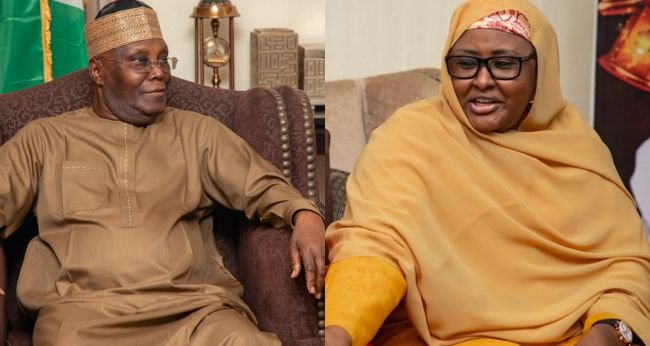
The issue has also become a major part of the political debate ahead of the 2027 general election, with former Vice-President Atiku Abubakar pledging to restore a targeted petrol subsidy if elected.