
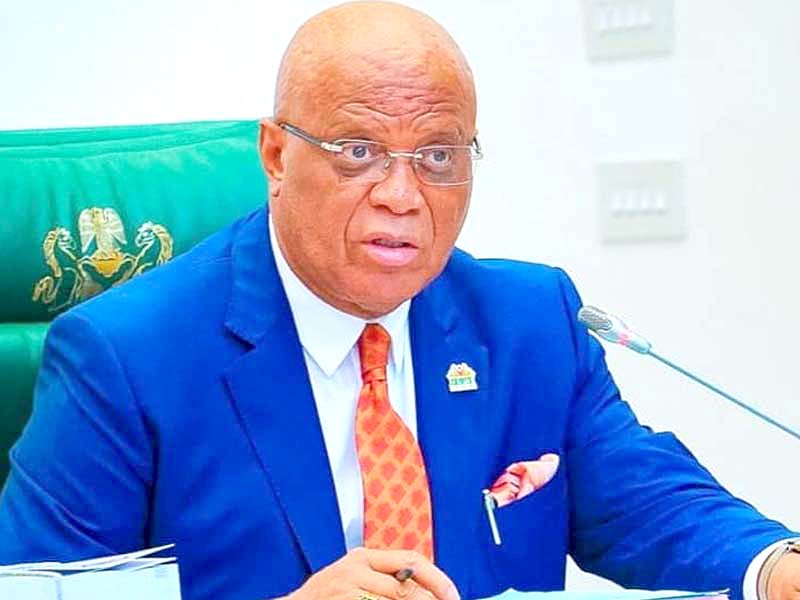
Akwa Ibom State Governor, Umo Eno, has revealed that his akara and bread business once generated at least N10m monthly before he ventured into politics.
Eno disclosed this during the state’s monthly covenant prayer service on Tuesday, with his remarks gaining attention on social media on Wednesday.
According to the governor, he started the business by selling akara and bread, which he branded as “Akara Burger”, before expanding into a coffee shop.
He said the business attracted workers, particularly employees heading to ExxonMobil in the mornings, who bought the akara, bread and coffee.
“We started selling akara and bread. Back then, I was doing Akara Burger. We open the bread and put it inside for you. People going to Exxon Mobil will buy it in the morning, take coffee.”
Eno said the akara business eventually generated not less than N10m every month.
The governor said the experience gave him lessons in entrepreneurship and showed how businesses could grow from small beginnings.
His disclosure comes months after First Lady Oluremi Tinubu urged Nigerians to consider small businesses such as akara and kuli-kuli as ways of improving their livelihoods.
Speaking after a Renewed Hope Initiative meeting with wives of state governors in Abuja in June, the First Lady said businesses such as akara selling could be started with relatively little capital.
Her comments generated criticism on social media, with some Nigerians questioning whether such ventures could adequately address the economic difficulties facing citizens.
She later clarified that the empowerment programme was broader than akara businesses, covering tomato sellers, roasted plantain sellers, pepper traders and vegetable sellers.
The First Lady also announced a N100m intervention for 2,000 petty traders in Jigawa State, with each beneficiary receiving N50,000 to recapitalise their businesses.
President Bola Tinubu subsequently joined the conversation by jokingly referring to his wife as “Iya Alakara” during a Presidential Press Corps Dinner.
Eno’s account has now brought renewed attention to the potential of small-scale businesses and entrepreneurship as sources of income.