
Nigeria’s electricity subsidy bill could reach about ₦2tn in 2026 as the Federal Government maintains its decision not to immediately increase electricity tariffs.
Minister of Power Joseph Tegbe disclosed the position during a media parley in Abuja on Monday, held to mark his first 100 days in office.
“There are no immediate plans to increase electricity tariffs,” Tegbe said, adding that the government’s goal was to build a commercially viable power sector while protecting vulnerable consumers.
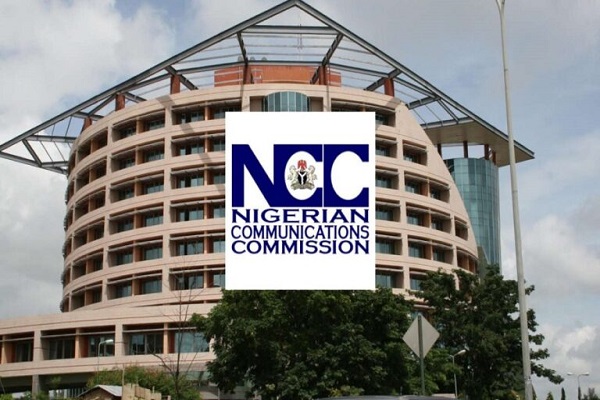
The development comes after the Federal Government incurred an ₦1.93tn electricity subsidy obligation in 2025, according to the Nigerian Electricity Regulatory Commission’s 2025 Annual Report. NERC officially released the report in August 2026.
NERC said the 2025 subsidy represented 57.44 per cent of the total Nigerian Bulk Electricity Trading invoice, averaging about ₦160.69bn monthly. The subsidy covers the gap between electricity tariffs approved for consumers and the cost-reflective tariff.
The regulator’s 2025 reports also show that the subsidy remained substantial throughout the year. In the fourth quarter alone, the government incurred a ₦418.79bn subsidy obligation, equivalent to 52.30 per cent of the relevant generation company invoice.
Power sector debts remain a concern
The continued subsidy regime comes amid concerns over mounting liabilities across Nigeria’s electricity supply chain.
The Association of Power Generation Companies has questioned whether the Federal Government’s ₦4tn Presidential Power Sector Debt Reduction Programme will resolve the sector’s liquidity problems, warning that additional liabilities could continue accumulating.
APGC Chief Executive, Joy Ogaji, said the government should determine the level of subsidy it can afford and make specific budgetary provisions for it.
She argued that continuing to promise subsidies without corresponding funding could leave debts accumulating across the power sector.
FG targets sector reforms
Tegbe said the government was working to address longstanding challenges involving sector debts, revenue leakages, metering, infrastructure and electricity supply.
He said his first 100 days in office focused on diagnosing problems across the electricity value chain, stabilising infrastructure and restoring market discipline.
According to the minister, gas supply to power plants has been affected by damaged pipelines and commercial conditions, while ageing equipment, delayed maintenance and stalled projects have limited available generation capacity.
He also said generation companies were receiving only 27 per cent of their bills, affecting their ability to maintain plants and pay gas suppliers.
Transmission infrastructure, he added, was facing pressure from vandalised towers and lines, overstretched equipment and frequent system failures.
For consumers, the government’s current position means electricity tariffs will remain unchanged in the immediate term, while the Federal Government continues efforts to address the financial and infrastructure challenges affecting the sector.