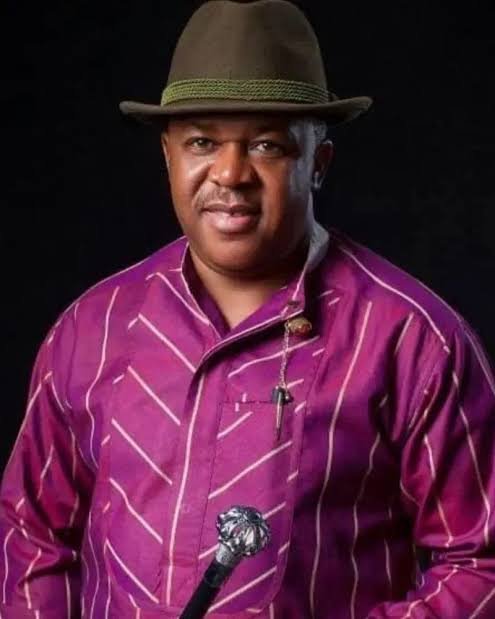
Former Vice-President Atiku Abubakar has called on the Independent National Electoral Commission (INEC) to immediately publish Nigeria’s preliminary voters’ register, warning that the failure to make it accessible online could undermine public confidence in the 2027 general election.
Atiku made the demand in a statement issued on Thursday by Phrank Shaibu, Director of Strategic Communication of the African Democratic Congress Presidential Campaign Council.
He said registered voters should be allowed to inspect the list, challenge questionable entries and correct omissions before the elections.
According to Atiku, INEC announced that Nigeria had more than 103 million registered voters, but members of the public who visited its portal to check the register reportedly encountered an empty page.
“Show Nigerians the register,” he said, insisting that the number of registered voters announced by the commission was not a substitute for public access to the list.
Atiku Questions INEC’s Voter Register Exercise
INEC had announced a seven-day public scrutiny exercise scheduled for October 9 to 15, 2026, to enable registered voters to inspect the preliminary register and report false entries or missing names.
However, Atiku accused the commission of failing to make the register available online during the exercise, alleging that this violated the Electoral Act 2026.
He cited Section 19(1) of the Act, which he said requires the register to be displayed at registration areas and online.
The former vice-president urged INEC to publish the list according to local government areas, area councils and wards to make verification easier for voters.
He also questioned conflicting statements reportedly attributed to the commission’s chairman concerning when the public display exercise took place.
Atiku said the chairman had reportedly stated on October 5 that the exercise had already been completed, while the commission subsequently announced October 9 to 15 as the period for public scrutiny.
He called on INEC to clarify the dates and provide the links and access records relating to the alleged online publication.
Atiku Raises Concerns Over Ballot Paper Authentication
Beyond the voters’ register, Atiku raised concerns about the authentication of ballot papers ahead of the 2027 elections.
He referred to Section 63(2) of the Electoral Act 2026, which, according to his statement, allows a returning officer to count a ballot paper without INEC’s official mark if the officer is satisfied that it came from a book supplied to the relevant polling unit.
Atiku questioned what evidence would establish the origin of such ballot papers and how political parties could challenge claims they considered false.
He called on INEC to introduce enforceable safeguards against counterfeit ballot papers and urged the National Assembly to address any loopholes that could leave ballot authentication dependent on an officer’s unsupported assurance.
The statement also raised questions about the companies awarded contracts to print sensitive election materials, alleging that INEC had yet to respond to inquiries on the matter.
ADC Calls for Transparency Ahead of 2027 Elections
Atiku maintained that the African Democratic Congress and its presidential candidate were entitled to information about the procedures that would determine the credibility of the presidential election.
He accused the administration of President Bola Tinubu of allowing a situation in which voters could not adequately verify their registration details.
According to him, the absence of public access to the register could prevent Nigerians from determining whether their names had been omitted or whether questionable entries had been included.
He warned that the situation could create opportunities for electoral manipulation if voters were unable to scrutinise the list before election day.
Atiku urged INEC to publish the register, explain the conflicting dates surrounding the display exercise and provide voters with the opportunity to challenge false entries and restore omitted names.
He also appealed to international partners, election observers and democratic institutions to pressure the commission to comply with the law before the elections.
Atiku stressed that transparency before voting was as important as examining election results afterwards, adding that voters needed to confirm their names on the register to exercise their voting rights.
The allegations and demands were contained in a statement issued by the Atiku campaign council, as reported by PUNCH on October 23, 2026.