
/ Nov 26, 2026
/ Nov 26, 2026

Pete Edochie: 7 interesting facts about Nollywood legend

Published on

By

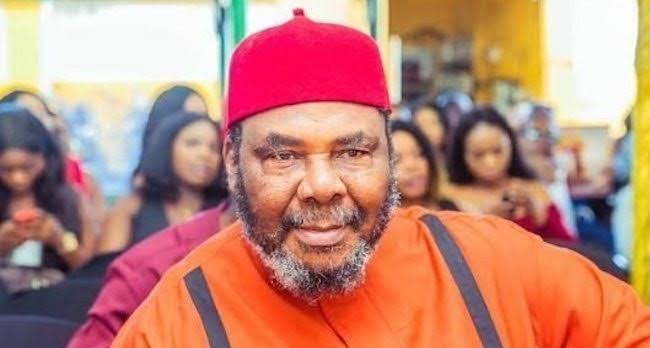
Veteran Nollywood actor Pete Edochie, who died on Wednesday, November 25, 2026, aged 79, leaves behind a remarkable legacy spanning broadcasting, television and Nigerian cinema.


Renowned for his commanding voice, memorable African proverbs and authoritative portrayal of traditional rulers and family patriarchs, Edochie became one of the most recognisable faces in Nollywood.

According to a family statement signed by his son, Leo Pete Edochie, the actor died at 12:30 am in Enugu following a prolonged battle with prostate cancer.

Beyond his celebrated acting career, here are seven interesting facts about the late screen legend.

1. He Was Born In Zaria

Pete Edochie was born on March 7, 1947, in Zaria, Kaduna State. However, he hailed from Akamnato, Ifite Nteje, in Anambra State.

He attended St Patrick’s and St James Primary Schools in Zaria before proceeding to St John’s College, Kaduna.

He later studied journalism and television at the School of Journalism and Television in England.

2. He Started His Career In Broadcasting

Before becoming a Nollywood household name, Edochie had an established career in broadcasting.

He joined the Eastern Nigerian Broadcasting Corporation in 1967 as a junior programmes assistant and gradually rose through the ranks.

He eventually became Director of Programmes at the Anambra Broadcasting Service, where he also served as Deputy Managing Director and occasionally as Acting Managing Director.

He was also known for presenting a classical music programme titled Music from the Masters.

3. He Was Married With Six Children

Edochie was married to Barrister Josephine Edochie, and their union produced six children, including popular Nollywood actors Yul and Linc Edochie.

Although he largely maintained a family life away from the screen, his family occasionally attracted public attention, particularly following controversies surrounding his son Yul’s marriage to actress Judy Austin.

4. Things Fall Apart Made Him Famous

One of the defining moments of Edochie’s career was his portrayal of Okonkwo in the Nigerian Television Authority’s adaptation of Chinua Achebe’s celebrated novel, Things Fall Apart.

His compelling performance as the respected but troubled Igbo warrior brought him widespread recognition and established him as one of Nigeria’s leading television actors.

The performance attracted international attention, with the British Broadcasting Corporation sending a delegation to interview him.

In a 2023 interview with The Nation, Edochie recalled that his portrayal had earned international recognition even before Nollywood became widely established.

5. He Featured In Several Notable Films

Following his breakthrough, Edochie appeared in numerous Nigerian films and television productions.

Some of his notable works include Igodo, Rituals, Billionaire’s Club and Lionheart, the 2018 film directed by Genevieve Nnaji.

In Lionheart, he played Chief Ernest Obiagu.

He became particularly associated with roles portraying traditional rulers, wealthy businessmen and authoritative family patriarchs.

His deep voice, measured delivery and frequent use of African proverbs became defining features of his performances.

6. He Received Several National And International Awards

Edochie’s contributions to the entertainment industry earned him several honours.

In 2003, former President Olusegun Obasanjo conferred on him the national honour of Member of the Order of the Niger (MON).

He also received the Industry Merit Award from Africa Magic and a Lifetime Achievement Award from the Africa Film Academy.

In 2020, he was honoured with the African Film Legend Award at the African Film Festival.

7. His Legacy Transcended Nollywood

With a career spanning several decades, Edochie established himself as one of Nigeria’s most respected actors.

His portrayal of Okonkwo in Things Fall Apart remains one of his most memorable performances, while his subsequent roles helped shape the portrayal of traditional authority figures in Nigerian cinema.

His distinctive voice, memorable expressions and commanding screen presence made him a household name across generations of film lovers.

His death marks the loss of a major figure in Nigeria’s entertainment industry.
You May Like

Leave a Reply

Your email address will not be published. Required fields are marked *

Most Popular

Must Read

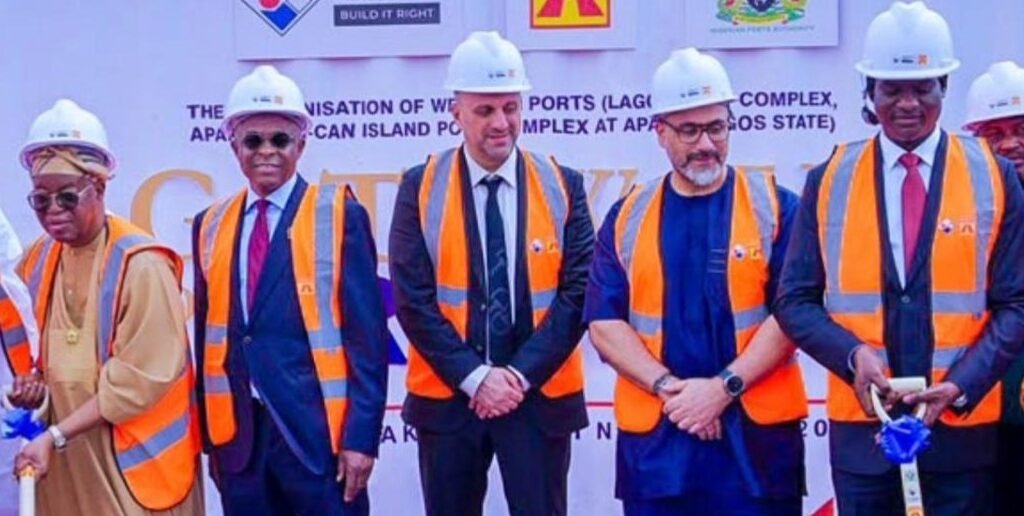
Apapa and Tin Can Island ports in Lagos undergoing a planned N1.45 trillion federal government modernisation project.

FG begins N1.45trn Lagos ports upgrade, targets 20,000 jobs

The Federal Government has commenced a £746 million (N1.45 trillion) modernisation project at the Apapa and Tin Can Island ports in Lagos, targeting the creation of at least 20,000 direct and indirect jobs.   The project, flagged off on Wednesday, November 25, by Adegboyega Oyetola, Minister of Marine and Blue Economy, is aimed at addressing ageing infrastructure, reducing cargo delays and attracting more international shipping lines to Nigeria. According to a statement signed by Bolaji Akinola, the minister’s special adviser, the upgrade will improve port efficiency, reduce cargo transportation costs and strengthen Nigeria’s position in international trade. Speaking at the flag-off ceremony at Tin Can Island Port, Oyetola said existing port infrastructure had become inadequate to accommodate the country’s growing trade demands. He noted that cargo throughput had increased from 8.11 million metric tonnes in 1977 to 129.3 million metric tonnes, while Nigeria’s population had grown from approximately 67.2 million to 240 million. The minister also disclosed that annual merchandise trade had expanded from about $17 billion to more than $100 billion. He stressed that modernising the ports was essential to maintaining Nigeria’s competitiveness in the global maritime industry. Port Inefficiencies Cost Nigeria $4bn Annually Oyetola disclosed that cargo delays, congestion, demurrage and storage charges were estimated to cost the Nigerian economy as much as $4 billion annually. He said cargo dwell time at Nigerian ports had historically ranged between 10 and 18 days, compared with three to five days at leading international ports. The modernisation project will cover the rehabilitation of critical port infrastructure, including quay walls, berths, dredging and navigation channels, access facilities, cargo-handling equipment and operational systems. According to the minister, the improvements will also introduce more integrated and digitally enabled port operations. He added that the project would benefit Nigerian exporters by reducing operating costs, improving delivery schedules and helping locally produced goods compete more effectively in international markets. Agricultural products, processed foods, solid minerals, manufactured goods, textiles and petrochemical products are among the sectors expected to benefit from improved port operations. FG Moves to Prevent Disruptions During Construction To minimise disruptions during construction, Oyetola said an inter-ministerial committee involving the Ministry of Marine and Blue Economy, the Nigerian Ports Authority (NPA) and the Nigeria Ports Economic Regulatory Agency would develop a Port Business Continuity and Cargo Flow Management Plan. The plan will coordinate phased construction, vessel scheduling, cargo evacuation, truck movements and the possible use of alternative ports and transportation methods. The minister explained that the Lagos ports upgrade was part of a broader maritime modernisation programme covering Onne, Rivers, Delta and Calabar ports. Meanwhile, Taiwo Oyedele, Minister of Finance and Coordinating Minister of the Economy, said the project would lower the cost of doing business and improve the competitiveness of Nigerian products. He described the financing arrangement as Nigeria’s largest sovereign export credit transaction since 2009 and the first project in the country for Poland’s Export Credit Insurance Corporation (KUKE). Abubakar Dantsoho, Managing Director of the Nigerian Ports Authority, assured that the authority would ensure the project was executed in line with approved designs, engineering standards and contractual timelines. The Federal Government expects the investment to strengthen Nigeria’s maritime infrastructure, improve cargo handling and position the country’s ports as major gateways for trade across Africa.
Read more

Editor's Pick

Trending News

Newsletter

Enter your email address and receive notifications of news by email.

You have been successfully Subscribed! Ops! Something went wrong, please try again.

© 2026 GongNews. All Rights Reserved.