
/ Nov 26, 2026
/ Nov 26, 2026

INEC removes 1.6m invalid records as voter register hits 100m

Published on

By

The Independent National Electoral Commission (INEC) says Nigeria’s verified National Register of Voters now exceeds 100 million following the removal of more than 1.6 million invalid, duplicate and deceased records.

INEC Chairman, Professor Joash Amupitan, disclosed this on Wednesday in Abuja during a meeting with Resident Electoral Commissioners (RECs) from the 36 states and the Federal Capital Territory.

According to Amupitan, the commission reduced the register from its previous figure of 103 million after conducting a biometric verification exercise and addressing complaints received during the voter registration process.

He explained that the clean-up involved the use of an Automated Biometric Identification System (ABIS), alongside statutory claims and objections audits, to identify and eliminate questionable entries.

The INEC chairman said three phases of Continuous Voter Registration (CVR), conducted since 2025, attracted more than 11 million registrations, with over 10.77 million new registrants retained in the verified register.

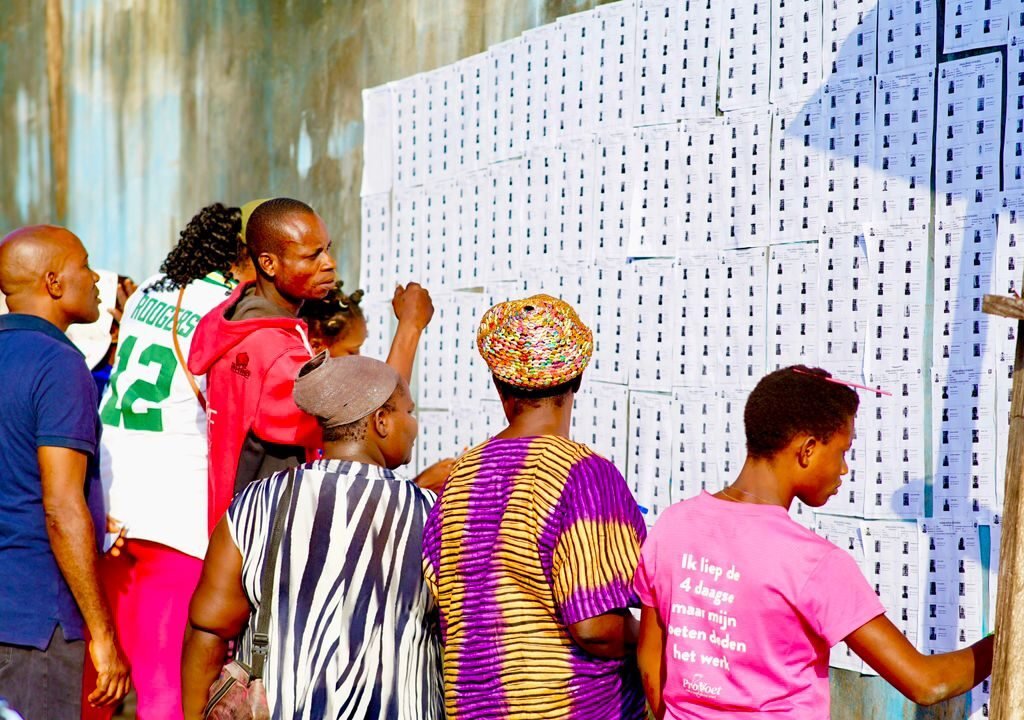
He added that the commission received approximately 311,000 complaints during the claims and objections exercise conducted both online and at registration centres.

Of these complaints, about 232,000 were found to be genuine and subsequently addressed by the commission.
Amupitan also disclosed that INEC independently identified additional irregularities in the supplementary register.

He said the commission had resolved cases involving incomplete names, duplicate registrations and instances where the same photograph and personal details appeared under multiple registrations.

Although INEC had earlier suspended its broader voter revalidation exercise until after the 2027 general election, the commission decided to address serious irregularities discovered in the existing register.

INEC Prepares For 2027 General Election
The voter register update comes as INEC intensifies preparations for the January 2027 general election.

Amupitan announced that 17,676 polling units had been selected for a mock accreditation and election result upload exercise using the Bimodal Voter Accreditation System (BVAS).

The exercise is scheduled for Saturday, November 28, 2026, to test the commission’s technological and operational readiness ahead of the elections.

He further disclosed that INEC had deployed 57,000 newly procured BVAS devices across the country.

The commission is also coordinating more than 1.41 million ad hoc election personnel to support election activities across different terrains, including urban centres, remote riverine communities, insurgency-affected areas and locations hosting internally displaced persons.

Amupitan noted that the verified register includes 232,658 persons with disabilities, stressing the need for accessible polling arrangements and appropriate assistive materials.
The commission said the ongoing preparations are aimed at improving electoral administration and ensuring that eligible voters can participate in the forthcoming general election.

You May Like

Leave a Reply

Your email address will not be published. Required fields are marked *

Most Popular

Must Read

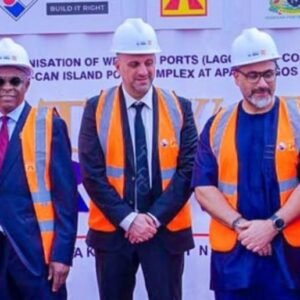
Apapa and Tin Can Island ports in Lagos undergoing a planned N1.45 trillion federal government modernisation project.

FG begins N1.45trn Lagos ports upgrade, targets 20,000 jobs

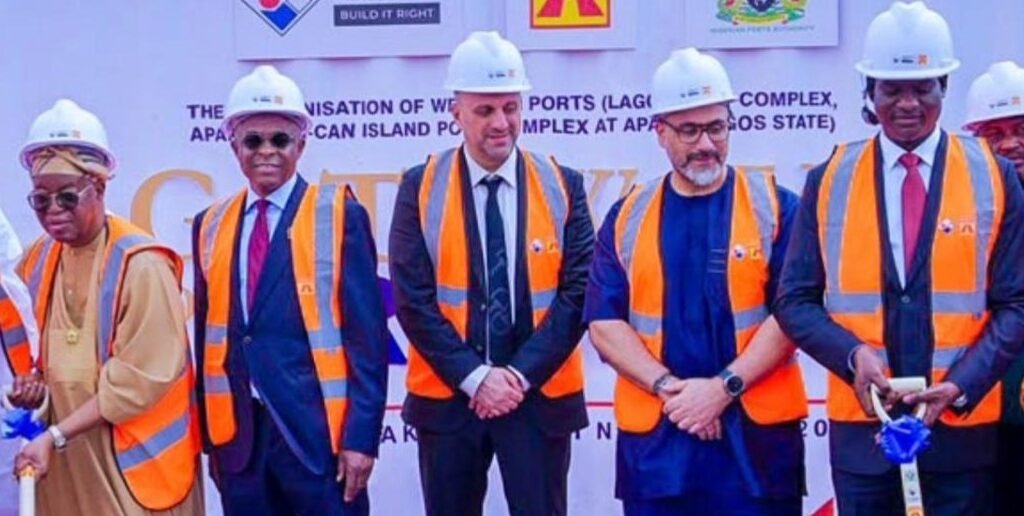
The Federal Government has commenced a £746 million (N1.45 trillion) modernisation project at the Apapa and Tin Can Island ports in Lagos, targeting the creation of at least 20,000 direct and indirect jobs.   The project, flagged off on Wednesday, November 25, by Adegboyega Oyetola, Minister of Marine and Blue Economy, is aimed at addressing ageing infrastructure, reducing cargo delays and attracting more international shipping lines to Nigeria. According to a statement signed by Bolaji Akinola, the minister’s special adviser, the upgrade will improve port efficiency, reduce cargo transportation costs and strengthen Nigeria’s position in international trade. Speaking at the flag-off ceremony at Tin Can Island Port, Oyetola said existing port infrastructure had become inadequate to accommodate the country’s growing trade demands. He noted that cargo throughput had increased from 8.11 million metric tonnes in 1977 to 129.3 million metric tonnes, while Nigeria’s population had grown from approximately 67.2 million to 240 million. The minister also disclosed that annual merchandise trade had expanded from about $17 billion to more than $100 billion. He stressed that modernising the ports was essential to maintaining Nigeria’s competitiveness in the global maritime industry. Port Inefficiencies Cost Nigeria $4bn Annually Oyetola disclosed that cargo delays, congestion, demurrage and storage charges were estimated to cost the Nigerian economy as much as $4 billion annually. He said cargo dwell time at Nigerian ports had historically ranged between 10 and 18 days, compared with three to five days at leading international ports. The modernisation project will cover the rehabilitation of critical port infrastructure, including quay walls, berths, dredging and navigation channels, access facilities, cargo-handling equipment and operational systems. According to the minister, the improvements will also introduce more integrated and digitally enabled port operations. He added that the project would benefit Nigerian exporters by reducing operating costs, improving delivery schedules and helping locally produced goods compete more effectively in international markets. Agricultural products, processed foods, solid minerals, manufactured goods, textiles and petrochemical products are among the sectors expected to benefit from improved port operations. FG Moves to Prevent Disruptions During Construction To minimise disruptions during construction, Oyetola said an inter-ministerial committee involving the Ministry of Marine and Blue Economy, the Nigerian Ports Authority (NPA) and the Nigeria Ports Economic Regulatory Agency would develop a Port Business Continuity and Cargo Flow Management Plan. The plan will coordinate phased construction, vessel scheduling, cargo evacuation, truck movements and the possible use of alternative ports and transportation methods. The minister explained that the Lagos ports upgrade was part of a broader maritime modernisation programme covering Onne, Rivers, Delta and Calabar ports. Meanwhile, Taiwo Oyedele, Minister of Finance and Coordinating Minister of the Economy, said the project would lower the cost of doing business and improve the competitiveness of Nigerian products. He described the financing arrangement as Nigeria’s largest sovereign export credit transaction since 2009 and the first project in the country for Poland’s Export Credit Insurance Corporation (KUKE). Abubakar Dantsoho, Managing Director of the Nigerian Ports Authority, assured that the authority would ensure the project was executed in line with approved designs, engineering standards and contractual timelines. The Federal Government expects the investment to strengthen Nigeria’s maritime infrastructure, improve cargo handling and position the country’s ports as major gateways for trade across Africa.
Read more

Editor's Pick

Trending News

Newsletter

Enter your email address and receive notifications of news by email.

You have been successfully Subscribed! Ops! Something went wrong, please try again.

© 2026 GongNews. All Rights Reserved.