
/ Nov 26, 2026
/ Nov 26, 2026

South African court overturns Ramaphosa impeachment report

Published on

By

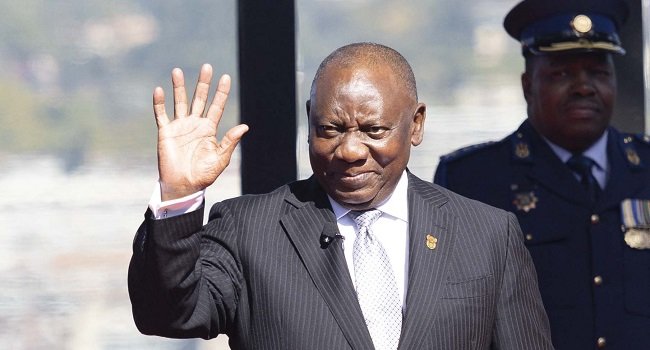
South African President Cyril Ramaphosa has secured a major legal victory after a court overturned a parliamentary report that found he may have committed serious misconduct over the Phala Phala farm robbery scandal.


Court Overturns Impeachment Report

A South African court has ruled in favour of President Cyril Ramaphosa, setting aside a 2022 parliamentary panel report that raised questions about his conduct following a break-in at his private Phala Phala farmhouse.

The scandal centred on the theft of $580,000 in foreign currency from furniture at his luxury farmhouse in Limpopo Province in 2020.

Ramaphosa was accused of concealing the incident from police and tax authorities. The allegations raised questions about whether he had breached the law and abused his presidential position.

An independent parliamentary panel had previously concluded that Ramaphosa might have committed serious misconduct. However, he survived a National Assembly vote that could have triggered impeachment proceedings.

Judge Rules Panel Exceeded Its Authority

Ramaphosa challenged the panel’s findings after South Africa’s Constitutional Court ruled that Parliament had violated the constitution by blocking efforts to pursue his impeachment.

Delivering its ruling on Wednesday, the High Court held that the panel had exceeded its legal authority and made significant errors in its assessment.

Judge Nolwazi Mabindla-Boqwana said the panel had “gone beyond its lawful remit, asked itself wrong questions, and made several material errors of law”.

The judge further declared that any actions taken by the National Assembly based on the report were unlawful and should be set aside.

Ramaphosa Denied Wrongdoing

The complaint against Ramaphosa was filed by a former intelligence chief and former ally of ex-President Jacob Zuma.

The complainant alleged that the president concealed the theft of $4 million from the farm from law enforcement and tax authorities.

Ramaphosa denied any wrongdoing, maintaining that he reported the break-in to the police. He also explained that the money came from the sale of 20 buffaloes.

The controversy threatened his political future in late 2022, particularly as he sought to retain his leadership of the African National Congress (ANC). However, a motion against him was defeated in Parliament, where the party held a majority.

South Africa’s public prosecutor subsequently dropped the charges in 2024.

In May 2026, the Constitutional Court ordered that the parliamentary panel’s report be referred to an impeachment committee following a complaint by several political parties.

The latest High Court ruling now overturns the report and sets aside parliamentary actions taken pursuant to its findings.

You May Like

Leave a Reply

Your email address will not be published. Required fields are marked *

Most Popular

Must Read

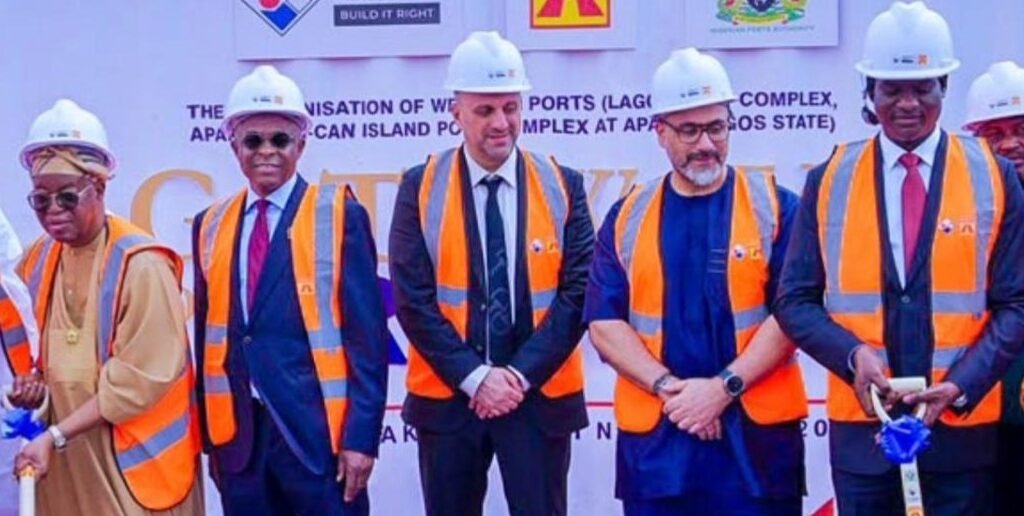
Apapa and Tin Can Island ports in Lagos undergoing a planned N1.45 trillion federal government modernisation project.

FG begins N1.45trn Lagos ports upgrade, targets 20,000 jobs

The Federal Government has commenced a £746 million (N1.45 trillion) modernisation project at the Apapa and Tin Can Island ports in Lagos, targeting the creation of at least 20,000 direct and indirect jobs.   The project, flagged off on Wednesday, November 25, by Adegboyega Oyetola, Minister of Marine and Blue Economy, is aimed at addressing ageing infrastructure, reducing cargo delays and attracting more international shipping lines to Nigeria. According to a statement signed by Bolaji Akinola, the minister’s special adviser, the upgrade will improve port efficiency, reduce cargo transportation costs and strengthen Nigeria’s position in international trade. Speaking at the flag-off ceremony at Tin Can Island Port, Oyetola said existing port infrastructure had become inadequate to accommodate the country’s growing trade demands. He noted that cargo throughput had increased from 8.11 million metric tonnes in 1977 to 129.3 million metric tonnes, while Nigeria’s population had grown from approximately 67.2 million to 240 million. The minister also disclosed that annual merchandise trade had expanded from about $17 billion to more than $100 billion. He stressed that modernising the ports was essential to maintaining Nigeria’s competitiveness in the global maritime industry. Port Inefficiencies Cost Nigeria $4bn Annually Oyetola disclosed that cargo delays, congestion, demurrage and storage charges were estimated to cost the Nigerian economy as much as $4 billion annually. He said cargo dwell time at Nigerian ports had historically ranged between 10 and 18 days, compared with three to five days at leading international ports. The modernisation project will cover the rehabilitation of critical port infrastructure, including quay walls, berths, dredging and navigation channels, access facilities, cargo-handling equipment and operational systems. According to the minister, the improvements will also introduce more integrated and digitally enabled port operations. He added that the project would benefit Nigerian exporters by reducing operating costs, improving delivery schedules and helping locally produced goods compete more effectively in international markets. Agricultural products, processed foods, solid minerals, manufactured goods, textiles and petrochemical products are among the sectors expected to benefit from improved port operations. FG Moves to Prevent Disruptions During Construction To minimise disruptions during construction, Oyetola said an inter-ministerial committee involving the Ministry of Marine and Blue Economy, the Nigerian Ports Authority (NPA) and the Nigeria Ports Economic Regulatory Agency would develop a Port Business Continuity and Cargo Flow Management Plan. The plan will coordinate phased construction, vessel scheduling, cargo evacuation, truck movements and the possible use of alternative ports and transportation methods. The minister explained that the Lagos ports upgrade was part of a broader maritime modernisation programme covering Onne, Rivers, Delta and Calabar ports. Meanwhile, Taiwo Oyedele, Minister of Finance and Coordinating Minister of the Economy, said the project would lower the cost of doing business and improve the competitiveness of Nigerian products. He described the financing arrangement as Nigeria’s largest sovereign export credit transaction since 2009 and the first project in the country for Poland’s Export Credit Insurance Corporation (KUKE). Abubakar Dantsoho, Managing Director of the Nigerian Ports Authority, assured that the authority would ensure the project was executed in line with approved designs, engineering standards and contractual timelines. The Federal Government expects the investment to strengthen Nigeria’s maritime infrastructure, improve cargo handling and position the country’s ports as major gateways for trade across Africa.
Read more

Editor's Pick

Trending News

Newsletter

Enter your email address and receive notifications of news by email.

You have been successfully Subscribed! Ops! Something went wrong, please try again.

© 2026 GongNews. All Rights Reserved.