

/ Oct 02, 2026
/ Oct 02, 2026

Meta threatening to cut off Facebook in Nigeria over huge fines

Published on

By

People in Nigeria may lose access to Facebook and Instagram after parent company Meta said it faced large fines and “unrealistic” regulatory demands from the Nigerian authorities.

Last year, three Nigerian oversight agencies imposed fines on the US-based social media giant totalling more than $290m (£218m) for violating various laws and regulations.

Meta was unsuccessful in a recent attempt to challenge the decisions in the federal high court in Abuja.

“The applicant may be forced to effectively shut down the Facebook and Instagram services in Nigeria in order to mitigate the risk of enforcement measures,” the company said in the court papers.

Meta also owns WhatsApp, but it did not mention the messaging service in its statement.

The high court has given the company until the end of June to pay the fines.

The BBC has asked Meta to outline what its next steps will be but has not yet received a response.

Facebook is by far the most popular social media platform in Nigeria and is used by tens of millions in the country for daily communication and sharing news. It is also a vital tool for many of Nigeria’s small online businesses.

In July last year, Meta was asked to pay three fines:

The Federal Competition and Consumer Protection Commission (FCCPC) imposed a $220m fine for alleged anti-competitive practices

The advertising regulator fined the company $37.5m over unapproved advertising

And the Nigerian Data Protection Commission (NDPC) alleged Meta had violated data privacy laws and fined it $32.8m.

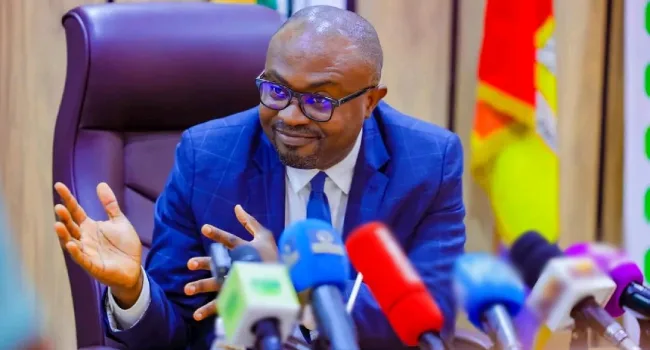
FCCPC chief executive officer Adamu Abdullahi said investigations carried out in conjunction with the data commission between May 2021 and December 2023 revealed “invasive practices against data subjects/consumers in Nigeria” but was not specific about what these were.

In its court submission, Meta said its “primary concern” was with the data commission, which it accused of “misinterpreting” data privacy laws.

Specifically, the commission has demanded that Meta seek prior approval before transferring any personal data out of Nigeria – a condition that Meta called “unrealistic”.

The data commission also imposed other demands.

Meta was told it must provide an icon linking to educational videos about data privacy risks. This would be content created in collaboration with government-approved educational institutions and non-profit organisations.

The NDPC insisted that these videos highlight the dangers of “manipulative and unfair data processing” that could expose Nigerian users to health and financial risks.

Meta described the NDPC’s demands as unfeasible, saying that the agency has failed to “properly interpret the laws guiding data privacy”.
You May Like

3 thoughts on “Meta threatening to cut off Facebook in Nigeria over huge fines”

  1. No long roads.
    No overexplaining.
    Only what matters, when it matters.

    Fresh signals.
    Clear mechanics.
    Moments that feel right — not forced.

    This is where rhythm meets timing,
    and timing quietly turns into advantage.

    You scroll — you get it.
    You stay — you feel it.

    https://t.me/s/portable_1WIN

    Slide in.
    Catch the flow.
    Stay where momentum lives.

Leave a Reply

Your email address will not be published. Required fields are marked *

Most Popular

Must Read

Tinubu directs delegation to Ethiopia to repatriate Nigerian prisoners held at Kaliti prison in Addis Ababa.

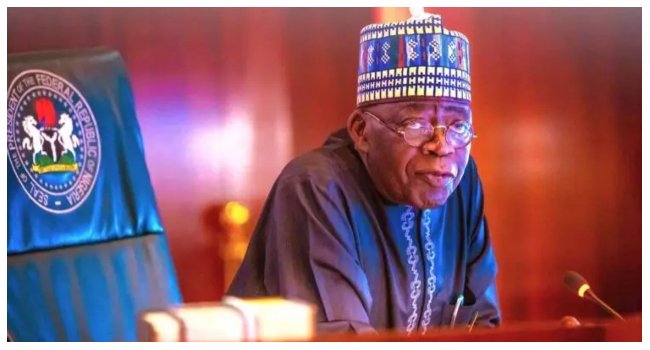
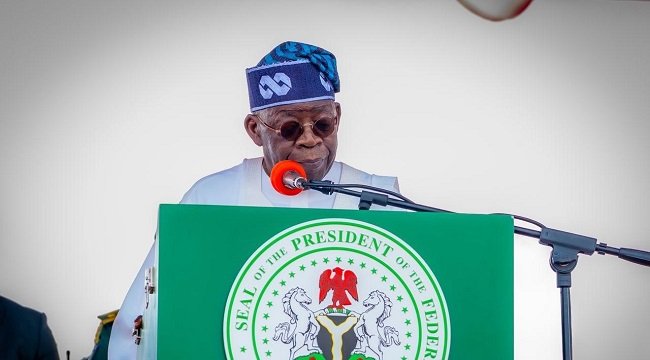
Tinubu rules out return to fuel subsidy, defends reforms

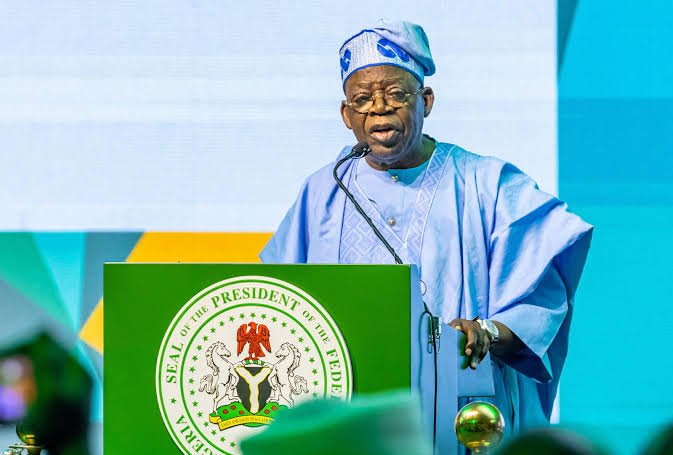
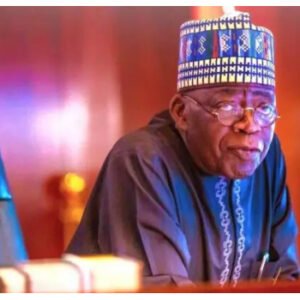
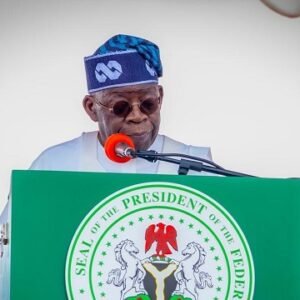
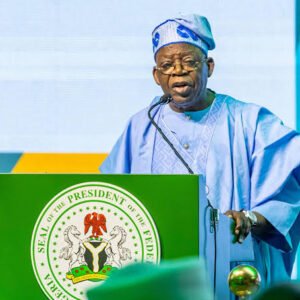
President Bola Tinubu has ruled out a return to Nigeria’s petrol subsidy regime, urging Nigerians to resist calls to reverse his administration’s economic reforms.   Tinubu made the declaration in his Independence Day address on Thursday, October 1, 2026, as Nigeria marked its 66th anniversary. The President defended the reforms introduced since he assumed office in 2023, saying they were designed to tackle longstanding weaknesses in the economy rather than merely ease their effects. “Our reforms did not create the weaknesses in our economy. They confronted them,” Tinubu said. ‘We must resist their siren song’ Tinubu acknowledged that the reforms had been difficult and that their “side effects were real”, but argued that abandoning them would amount to returning to policies that had failed to address the country’s underlying economic problems. He warned against calls from what he described as “certain influential but regressive voices” to abandon the reforms and return to subsidy arrangements. “Now, as certain influential but regressive voices would have us abandon the treatment and return ourselves to the abuse of addictive subsidies, we must resist their siren song,” he said. “We must remember why we began this journey and how far we have already come.” Using the analogy of a cancer patient undergoing painful but necessary treatment, Tinubu said previous governments had focused on easing economic symptoms while allowing underlying problems to worsen. “Nigeria was like a sick patient who receives the terrible news that he has cancer,” he said. “His doctor explains that the treatment will be difficult and painful, but that it offers a strong prospect of recovery. The patient has a choice. He can begin treatment, endure its discomfort and fight the disease. Or he can ask only for morphine, dull the pain and leave the cancer to spread.” “For too long, Nigeria’s leaders chose morphine while praying for a miracle that never came,” the President added. Tinubu cites economic gains Defending his administration’s record, Tinubu said Nigeria’s economic outlook had improved, citing economic growth of more than four per cent in 2026 and contributions from both the oil and non-oil sectors. He also said oil theft had declined, inflation had fallen substantially from its peak, foreign reserves had been rebuilt and the foreign exchange market had stabilised. According to the President, Nigeria recorded more than $6bn in non-oil export revenue in 2025, which he described as the highest in the country’s history. “These are not idle claims. International observers, journalists, NGOs and multilateral institutions can see the change,” Tinubu said. He added that the government was moving from economic correction towards greater emphasis on jobs, production and widespread prosperity.
Read more

Editor's Pick

Trending News

Newsletter

Enter your email address and receive notifications of news by email.

You have been successfully Subscribed! Ops! Something went wrong, please try again.

© 2026 GongNews. All Rights Reserved.