

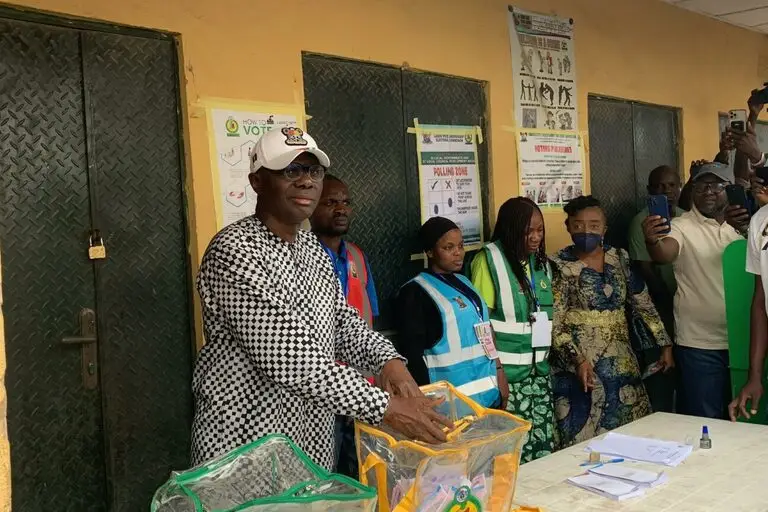
Lagos state has commenced its long-awaited LGA election as officials of the Lagos State Independent Electoral Commission (LASIEC) began arriving at polling units early Saturday morning.
At PU 008, Ward F, Iyalla, Ikeja, LASIEC officials were sighted setting up materials as of 7:59 a.m., marking the official start of the polls scheduled to hold across the 20 local government areas (LGAs) and 37 local council development areas (LCDAs) in the state.
The voters already hanging around some polling units getting ready to cast their votes, according to TheCables.
The exercise, however, is unfolding amid a cloud of uncertainty and criticism, particularly from civil society organisations who have raised serious doubts about the readiness and legality of the election.
On Friday, Enough is Enough Nigeria (EiE), a civic group that has been actively promoting democratic accountability for over 15 years, expressed strong reservations about the transparency and credibility of the exercise.
In a statement issued on Thursday, EiE questioned LASIEC’s capacity to conduct a free and fair election.
The group accused the electoral body of failing in its duty to adequately inform and prepare voters, despite assurances by Omobolanle Okikiolu-Ighile, LASIEC chairman, that sufficient voter education had been carried out.
EiE added that it has no confidence in LASIEC’s capacity to conduct a free, fair, and credible election.
Amid the brewing controversy, LASIEC, on Thursday, just two days before the polls, released the long-awaited “validated” list of candidates vying for chairmanship and councillorship seats.
The delay in releasing the candidate list had raised additional concerns about transparency and the electoral body’s preparedness.
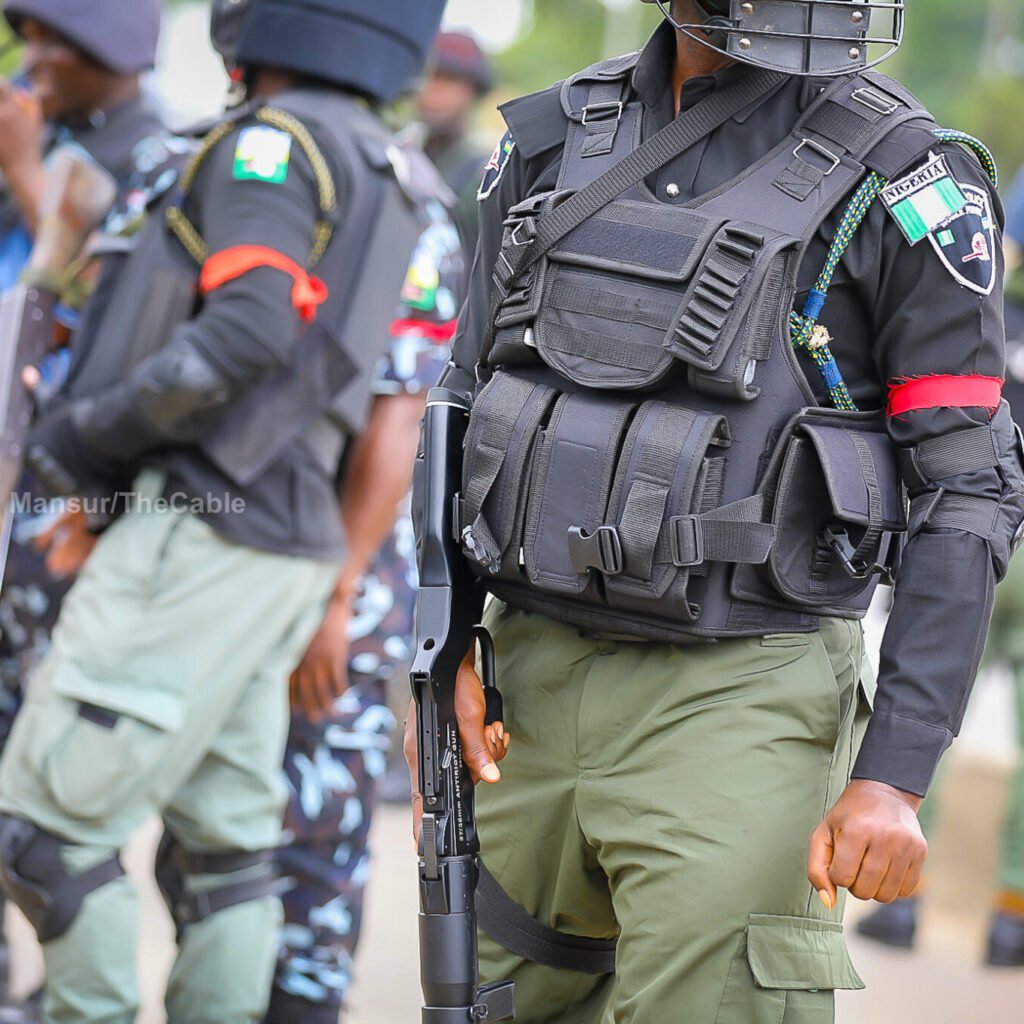
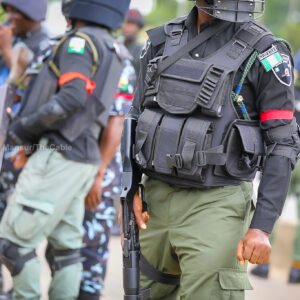
Security measures had also been updated ahead of the election.
The Lagos police command initially announced a restriction on vehicular and waterway movement from 3 a.m. to 3 p.m. on Saturday.
However, in a revised statement on Thursday, Benjamin Hundeyin, the police spokesperson, said the restriction would now begin from 6 a.m., easing the burden on early morning commuters.
As the electoral process begins, residents, election observers, and civil society groups are closely monitoring the process, wary of logistical lapses, voter apathy, and the integrity of the overall exercise.

















https://t.me/site_official_1win/435
https://t.me/s/officials_pokerdom/3572
https://t.me/s/atom_official_casino