
/ Oct 01, 2026
/ Oct 01, 2026

Nigeria inflation rises to 15.69% in April 2026 — NBS

Published on

By

Nigeria’s headline inflation rate rose to 15.69 per cent in April 2026, according to new data released by the National Bureau of Statistics.

The country’s statistical agency disclosed on Friday that the headline inflation rate on a month-on-month basis stood at 2.13 per cent in April.

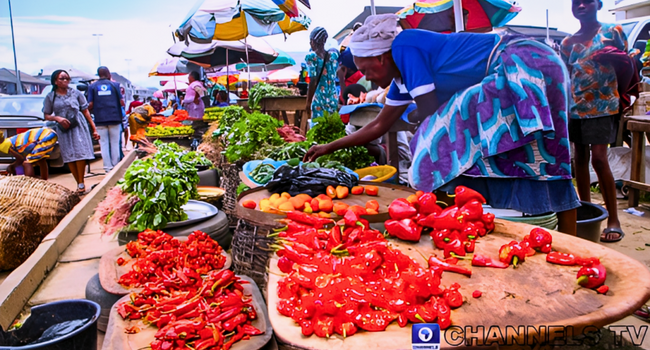
The NBS also reported that food inflation reached 16.06 per cent year-on-year during the month, driven by increases in the average prices of key food commodities across the country.

According to the bureau, products that contributed to the rise in food inflation included millet, yam flour, fresh ginger, beef, garri, yam tuber, fresh pepper, crayfish, cassava tuber, beans, Irish potatoes, fresh tomatoes, wheat grain sold loose, soya beans, guinea corn, plantain and fresh carrots.

The agency said, “This can be attributed to the rate of change in the average prices of the following products: Millet whole grain, yam flour, ginger (Fresh), beef, garri, yam tuber, pepper (Fresh), cray fish, cassava tuber, Beans, Irish Potatoes, tomatoes (fresh), wheat grain (Sold loose), soya beans, guinea corn, plantain, carrots (Fresh) etc.”

Despite the increase recorded in April, the NBS noted that the average annual rate of food inflation for the twelve months ending April 2026 was lower compared to the same period in 2025.

“The average annual rate of food inflation for the twelve months ending April 2026, relative to the previous twelve-month average, was 17.55%, which was 17.05 percentage points lower than the average annual rate of change recorded in April 2025 (34.60%),” the bureau stated.

The latest figures come as households and businesses continue to grapple with rising living costs and fluctuating food prices across Nigeria.
You May Like

Leave a Reply

Your email address will not be published. Required fields are marked *

Most Popular

Must Read

Tinubu directs delegation to Ethiopia to repatriate Nigerian prisoners held at Kaliti prison in Addis Ababa.

Tinubu rules out return to fuel subsidy, defends reforms

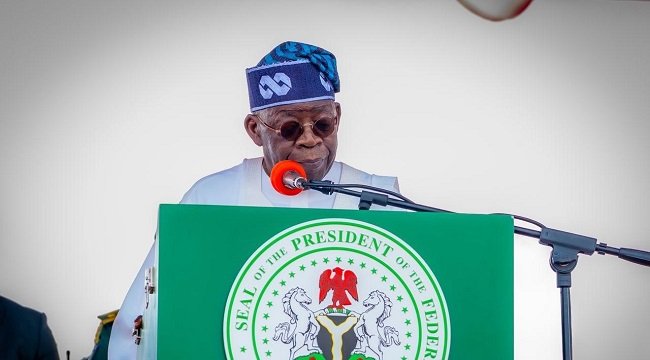
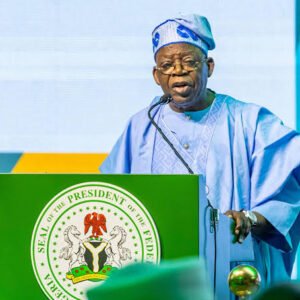
President Bola Tinubu has ruled out a return to Nigeria’s petrol subsidy regime, urging Nigerians to resist calls to reverse his administration’s economic reforms.   Tinubu made the declaration in his Independence Day address on Thursday, October 1, 2026, as Nigeria marked its 66th anniversary. The President defended the reforms introduced since he assumed office in 2023, saying they were designed to tackle longstanding weaknesses in the economy rather than merely ease their effects. “Our reforms did not create the weaknesses in our economy. They confronted them,” Tinubu said. ‘We must resist their siren song’ Tinubu acknowledged that the reforms had been difficult and that their “side effects were real”, but argued that abandoning them would amount to returning to policies that had failed to address the country’s underlying economic problems. He warned against calls from what he described as “certain influential but regressive voices” to abandon the reforms and return to subsidy arrangements. “Now, as certain influential but regressive voices would have us abandon the treatment and return ourselves to the abuse of addictive subsidies, we must resist their siren song,” he said. “We must remember why we began this journey and how far we have already come.” Using the analogy of a cancer patient undergoing painful but necessary treatment, Tinubu said previous governments had focused on easing economic symptoms while allowing underlying problems to worsen. “Nigeria was like a sick patient who receives the terrible news that he has cancer,” he said. “His doctor explains that the treatment will be difficult and painful, but that it offers a strong prospect of recovery. The patient has a choice. He can begin treatment, endure its discomfort and fight the disease. Or he can ask only for morphine, dull the pain and leave the cancer to spread.” “For too long, Nigeria’s leaders chose morphine while praying for a miracle that never came,” the President added. Tinubu cites economic gains Defending his administration’s record, Tinubu said Nigeria’s economic outlook had improved, citing economic growth of more than four per cent in 2026 and contributions from both the oil and non-oil sectors. He also said oil theft had declined, inflation had fallen substantially from its peak, foreign reserves had been rebuilt and the foreign exchange market had stabilised. According to the President, Nigeria recorded more than $6bn in non-oil export revenue in 2025, which he described as the highest in the country’s history. “These are not idle claims. International observers, journalists, NGOs and multilateral institutions can see the change,” Tinubu said. He added that the government was moving from economic correction towards greater emphasis on jobs, production and widespread prosperity.
Read more

Editor's Pick

Trending News

Newsletter

Enter your email address and receive notifications of news by email.

You have been successfully Subscribed! Ops! Something went wrong, please try again.

© 2026 GongNews. All Rights Reserved.