
/ Nov 23, 2026
/ Nov 23, 2026

10 Reasons Your US Visa Can Be Revoked

Published on

By

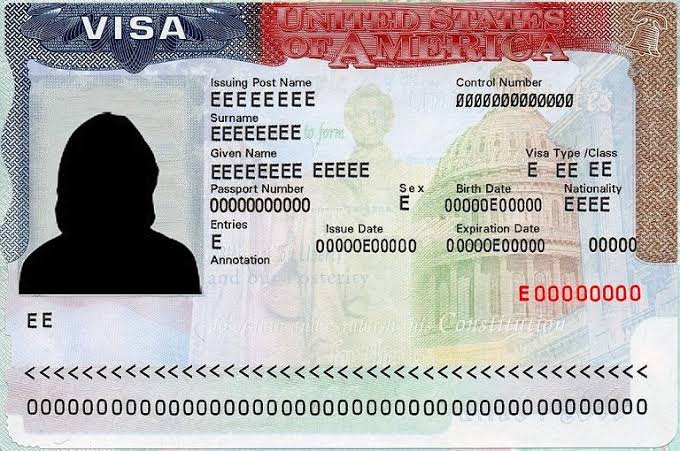
The US government has broad discretion to revoke visas if a holder is found to have violated any conditions. Common reasons for visa revocation include:

1. Criminal Activity

Arrests, charges, or convictions for certain crimes can lead to immediate visa revocation. Even minor offences like DUI arrests have triggered cancellations in some cases, especially when the offence raises public safety concerns. According to the Miami University International Student Office, any criminal involvement can cause automatic revocation under US consular policy.

2. Unauthorised Employment

Engaging in work not permitted by the visa classification is a serious violation. A common example is a tourist or student working without authorisation, which the State Department considers grounds for visa cancellation.

3. Failure to Maintain Status

Students who fall below full-time enrollment, workers who lose their jobs, or individuals who overstay their permitted duration may face visa revocation. Under US immigration law, failure to maintain lawful status immediately places a visa holder at risk of cancellation.

4. Security Concerns

Any association with organisations or activities deemed a national security threat can trigger visa cancellation. This includes suspected ties to terrorism or espionage. The State Department routinely conducts security checks and can revoke a visa if credible concerns arise.

5. Ineligibility Under U.S. Immigration Laws (INA Grounds)

New facts, such as health issues, immigration fraud, or smuggling, that make a person inadmissible under the Immigration and Nationality Act can cause revocation. The Department of State is authorised under Section 221(i) of the INA to cancel visas when new ineligibilities appear.

6. Public-Charge or Visa-Purpose Misuse

Using a visa for a purpose inconsistent with its classification, such as permanent employment while on a tourist visa, or becoming a public charge, can cause one’s visa to be revoked. The government considers this a misrepresentation of intent, violating visa conditions.

7. Derogatory Information Discovered After Issuance

Background checks and new intelligence reports may reveal information that renders the visa holder ineligible. When derogatory information or watchlist matches are found, consular officers can revoke the visa at any time.

8. Administrative or Procedural Reasons (Visa Issued in Error)

The State Department can revoke a visa if it was issued improperly, such as through clerical error or incomplete screening. The Foreign Affairs Manual (9 FAM 403.11) specifically allows consular officers to revoke visas issued by mistake.

9. Automatic or Provisional Revocation

Certain visas may be provisionally revoked if the holder fails to comply with updated systems like EVUS (Electronic Visa Update System). Such revocations can be reversed if the issue is corrected.

10. Discretionary or Prudential Revocation

The Department of State also holds “prudential” authority to revoke visas for discretionary reasons when it deems cancellation necessary in the interests of the United States. This means a visa can be revoked even without a specific legal violation, especially in sensitive or security-related cases.

Visa revocation doesn’t always mean a permanent ban, but it often complicates future applications. Once revoked, travellers are typically required to reapply for a new visa and explain the circumstances in full. The best safeguard is simple: follow all visa terms, maintain lawful status, and stay informed about US immigration regulations.
You May Like

4 thoughts on “10 Reasons Your US Visa Can Be Revoked”

Leave a Reply

Your email address will not be published. Required fields are marked *

Most Popular

Must Read

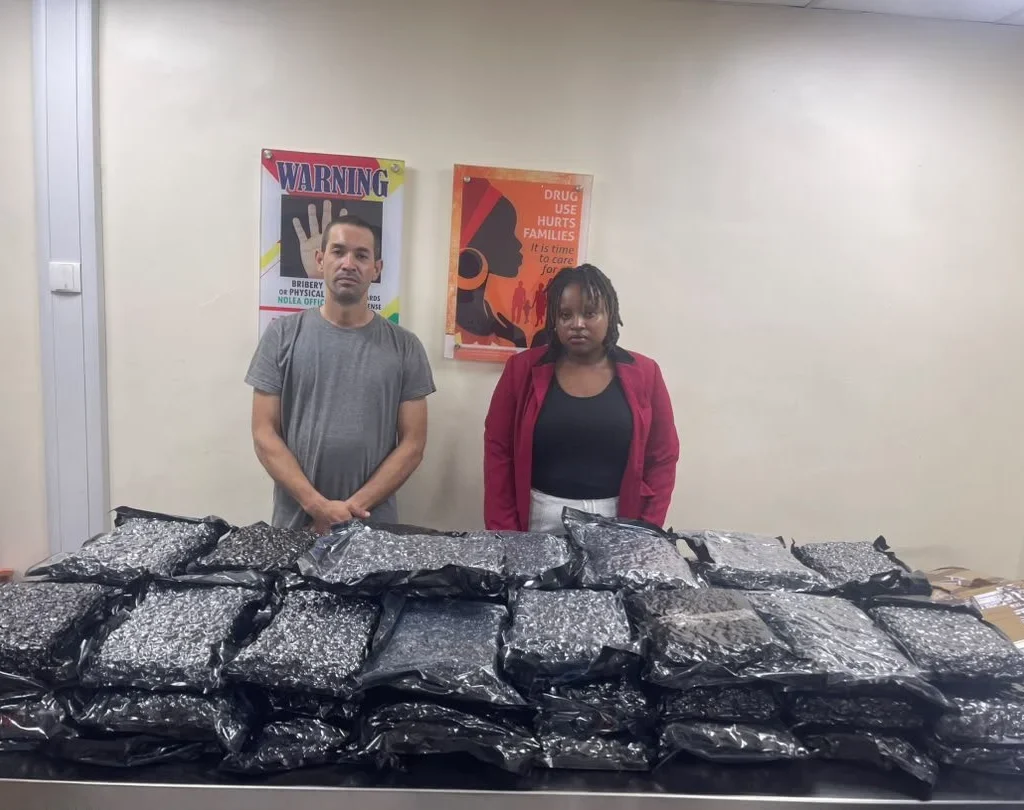
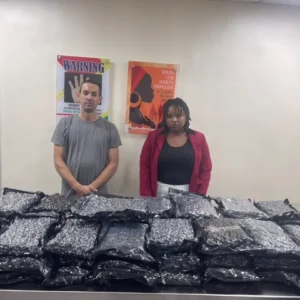
South African golfer Grobler Henlo and Kenyan chef Abubakar Njambi, arrested by the NDLEA over an alleged attempt to smuggle 50.40kg of cannabis into Nigeria.

NDELA arrest South African golfer, Kenyan chef  with 50kg cannabis in Lagos

A South African professional golfer and a Kenyan chef have been arrested in Lagos over an alleged attempt to smuggle 50.40kg of a potent cannabis strain known as Loud into Nigeria, the National Drug Law Enforcement Agency (NDLEA) has said.   The suspects, identified as 37-year-old Grobler Henlo and 25-year-old Abubakar Njambi, were arrested at the Murtala Muhammed International Airport, Ikeja, in October, according to an NDLEA statement issued on Sunday by its spokesperson, Femi Babafemi. The agency said Henlo arrived in Lagos from South Africa aboard a South African Airways flight on October 11 and was intercepted at the Terminal 2 arrival hall. A search of two travelling boxes in his possession reportedly led to the discovery of 46 parcels of Loud weighing 50.40kg. Investigations allegedly revealed that the boxes carried Njambi’s luggage tags, while she had collected two other boxes bearing Henlo’s tags from the airport conveyor belt and left. The NDLEA said the luggage tag swap was a deliberate attempt by the trafficking syndicate to conceal ownership of the consignments and frustrate investigations if either courier was intercepted. During questioning, Henlo reportedly said he was recruited by a South African associate identified as Shanel, who connected him with other members of the syndicate. He allegedly told investigators that a driver picked him up from his home, handed him four travelling boxes and took him to the airport, where he was instructed to meet Njambi and exchange luggage tags. The golfer reportedly said he was promised 5,000 South African rand for successfully delivering the consignment. The NDLEA added that tracking devices were found on the travelling boxes and Henlo’s mobile phone, suggesting the syndicate closely monitored its couriers and shipments. Njambi was subsequently placed on the agency’s watchlist after her passport details were recovered from Henlo’s phone. She was arrested on October 15 at the airport departure boarding gate while allegedly attempting to return to Kenya aboard a South African Airways flight. The Kenyan chef reportedly told investigators she was recruited by a man and persuaded by a friend in Kenya to accept the job for a promised $8,000. She allegedly said she travelled to South Africa on October 4, stayed in a hotel for about a week and met Henlo at the airport on October 11, where he handed her two of the four boxes. Upon arrival in Lagos, she reportedly collected two boxes bearing the golfer’s luggage tags and was taken to a hotel in Lekki by a driver. The NDLEA said Njambi abandoned the claim tag for the boxes bearing her name at the airport, but it was later recovered from her hand luggage. Both suspects reportedly identified each other during an identification parade. Other Drug and Criminal Interceptions In a separate operation at the Lagos airport on November 13, NDLEA operatives intercepted a consignment from the United Kingdom containing 10 parcels of synthetic cannabinoids weighing 10.10kg, 27 packs of marshmallow weighing 318.80kg and precursor chemicals weighing 34.55kg. A freight agent, Sobowale Oladayo, was arrested while attempting to clear the shipment, while the alleged consignee, Kareem Issa, 35, was arrested the following day at a logistics company’s premises. The agency said Issa, a plumber based on Lagos Island, allegedly posed as a senior security official and used a siren fitted to his grey Lexus 460 SUV when visiting the logistics company to collect consignments. In Kaduna State, two men, Lawali Muhammad, 35, and Aliyu Mohammed, 30, were arrested over 160 pieces of explosives intercepted along the Abuja-Kaduna Expressway at Jere on November 17. The intended recipient, identified as Mohammed, was later arrested in Gusau, Zamfara State, during a follow-up operation. Two other suspects were also arrested with 6,900 tramadol tablets, 20,000 diazepam tablets and 25,000 Exol-5 tablets. The NDLEA further reported the recovery of 627,500 tramadol capsules weighing 21.50kg from a Hummer bus along the Zaria-Kano Expressway. The driver reportedly abandoned the vehicle and fled. In Ogun State, Esther Ogundipe was arrested on November 19 during a raid on a suspected drug joint in Eleweran, Abeokuta, with two locally made firearms and five live cartridges. Two other women were arrested in Ilaro with cocaine, cannabis and methamphetamine. In Osun State, Francis Oduke, 43, was arrested along the Ikire-Ibadan Expressway with 359 bags of skunk weighing 4,627.7kg, allegedly concealed beneath granite in a truck. In Ondo State, operatives intercepted a truck carrying 93 bags of cannabis weighing 1,045kg along the Zango-Ado Expressway in Akure on November 16. Four suspects were arrested in connection with the seizure. Other arrests and drug recoveries were reported in Edo, Katsina, Abia and Rivers states. The NDLEA Chairman, Brig Gen Mohamed Buba Marwa (retd.), commended officers involved in the operations, saying the arrest of the South African golfer and Kenyan chef, alongside the earlier case involving an American basketballer, reflected the changing recruitment tactics of international drug cartels. Marwa warned that sportsmen and other professionals were increasingly being recruited as drug couriers in the belief that their profiles could help them evade scrutiny. He urged officers at Nigeria’s ports of entry to remain vigilant and professional, while encouraging NDLEA commands nationwide to sustain drug supply reduction operations and sensitisation campaigns against drug abuse.
Read more

Editor's Pick

Trending News

Newsletter

Enter your email address and receive notifications of news by email.

You have been successfully Subscribed! Ops! Something went wrong, please try again.

© 2026 GongNews. All Rights Reserved.