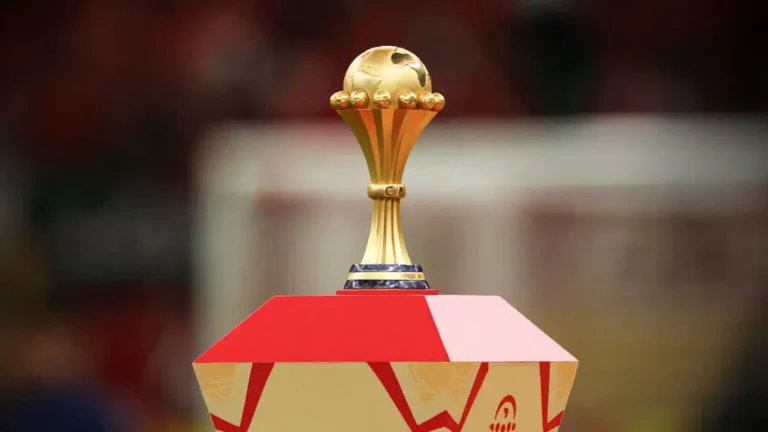
The Confederation of African Football (CAF) has reversed its decision to stage the Africa Cup of Nations (AFCON) every four years, restoring the tournament’s traditional two-year cycle.
The decision was unanimously approved by CAF’s Executive Committee (EXCO), following a review of the proposed changes to the continental football calendar.
CAF President, Patrice Motsepe, announced the development after the organisation’s Strategy Conference held in Cabo Verde from October 7 to 9, 2026.
The reversal comes less than a year after CAF announced plans to move AFCON to a four-year schedule and introduce a new Africa Nations League as a biennial competition.
However, CAF reconsidered the arrangement over concerns that the proposed Nations League would take several years to generate the financial resources required to support African football development and make its competitions globally competitive and financially sustainable.
In a statement published on CAF’s official website on Thursday, October 29, Motsepe said the decision was guided by the need to protect the interests of African football, its 54 member associations and African players employed by football clubs outside the continent.
He explained that the governing body was concerned about the lengthy period required for the proposed Africa Nations League to deliver the expected financial and developmental benefits.
Under the revised schedule, the next AFCON will take place in 2027, with Kenya, Tanzania and Uganda jointly hosting the competition.
Subsequent editions are scheduled for 2028, 2031 and 2033.
CAF also confirmed that AFCON will not hold in 2030 because the year is reserved for the FIFA World Cup. The organisation said its scheduling policy follows the tradition of avoiding continental national team final tournaments during World Cup years.
Motsepe expressed confidence in the three East African countries’ ability to successfully host the 2027 competition, describing AFCON as an important platform for showcasing African football talent.
Beyond football development and financial considerations, the CAF president highlighted the tournament’s cultural significance in bringing together people from across Africa and the diaspora.
He said restoring the biennial format would contribute significantly to the development and growth of football across the continent while strengthening CAF’s 54 member associations.
The decision marks a major shift in CAF’s competition calendar strategy, reaffirming AFCON’s position as Africa’s flagship national team football tournament.