
Up to 40 per cent of African small holder cocoa farmers risk losing access to the European Union market because they may struggle to meet new environmental compliance requirements, the Coffee Farmers Alliance Association of Africa (COCEFAAA) has warned.
The association’s Global President, Adeola Adegoke, raised the concern at the end of the two-day Africa Cocoa and Coffee Conference in Lagos, where industry stakeholders called for greater African participation in shaping international trade policies affecting the continent’s cocoa and coffee industries.
In a statement issued on Wednesday, Adegoke said many smallholder farmers lacked the financial resources, technology and documentation systems needed to comply with the European Union Deforestation Regulation (EUDR).
The regulation seeks to ensure that certain commodities entering the EU market are not associated with deforestation. However, its traceability and documentation requirements could create significant difficulties for small-scale producers.
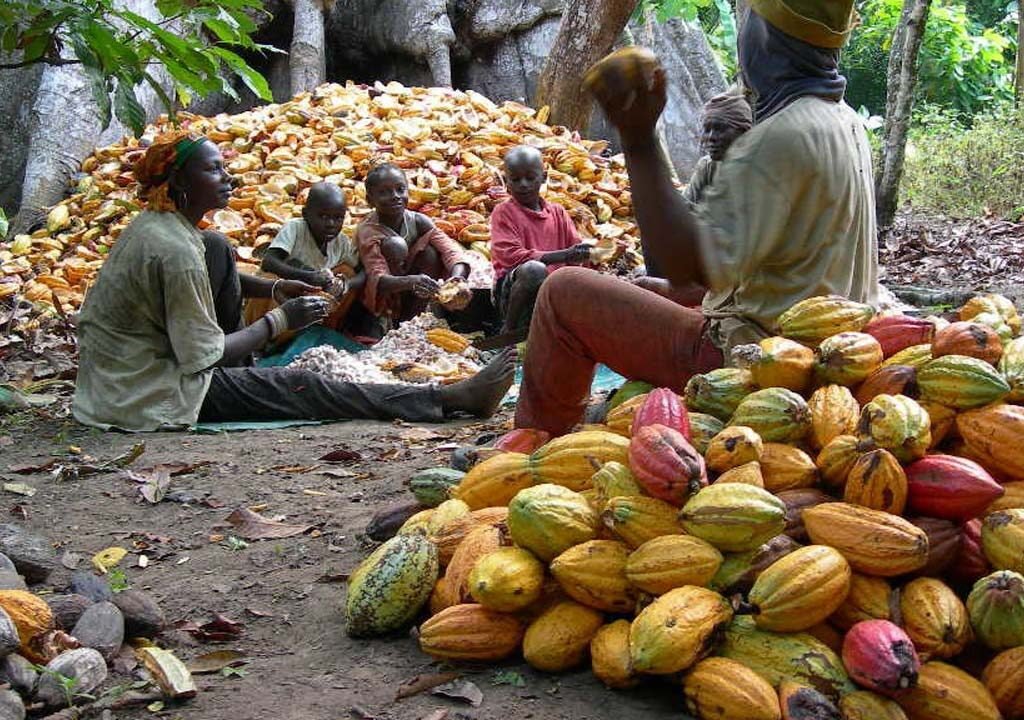
“Up to 40 per cent of African smallholder farmers could face exclusion from the European market if they are unable to comply with the requirements,” Adegoke said.
He called on African cocoa-producing countries to strengthen their negotiating positions and improve traceability systems to protect farmers from disruptions to international trade.
Adegoke also urged governments and relevant stakeholders to provide farmers with adequate technical and financial assistance to meet changing market requirements without losing access to major export destinations.
Cell-Cultured Cocoa Raises Concerns
The conference also examined the potential impact of cell-cultured cocoa technologies on traditional cocoa-producing communities.
Adegoke warned that increased investment in alternative cocoa production methods could affect demand for conventionally grown cocoa, creating further uncertainty for farmers whose livelihoods depend on the crop.
He urged African countries to assess the possible economic and social consequences of the emerging technologies and develop strategies to protect the interests of cocoa farmers and their communities.
As part of efforts to strengthen Africa’s position, stakeholders called for greater cooperation among cocoa- and coffee-producing countries to give the continent a stronger voice in international trade negotiations.
Africa Seeks Greater Share of Cocoa Value
According to figures presented by Adegoke, Africa produces about 75 per cent of the world’s cocoa and 12 per cent of its coffee but captures less than six per cent of the value generated by chocolate.
He added that many farmers earn approximately $1.20 a day, highlighting the gap between Africa’s contribution to global production and the economic benefits received by its farming communities.
More than 200 delegates attended the conference, representing producing countries, governments, research institutions, development partners, commodity associations, private businesses, multilateral organisations and the media.
“Africa is not short of solutions. We are short of mechanisms to scale them,” Adegoke said.
Lagos Declaration Sets Out African Priorities
Participants adopted the Lagos Declaration 2026, a shared framework aimed at improving farmers’ livelihoods, increasing productivity and expanding African ownership of the cocoa and coffee industries.
The declaration outlines commitments across eight areas: planning and coordination; unity and governance; farmers’ welfare; productivity; sustainability; traceability and product identity; value addition and finance; and people’s welfare.
Participants pledged to develop strategic plans with clear responsibilities, timelines and measurable outcomes. They also committed to strengthening farmers’ cooperatives, improving incomes, investing in research and extension services, protecting forests and promoting climate resilience.
The declaration further calls for increased investment in local processing, stronger African brands and improved access to markets through the African Continental Free Trade Area (AfCFTA).
The conference also produced the Lagos Pact, which outlines three positions African cocoa- and coffee-producing countries intend to advance at continental and international negotiations.
These include reserving the terms “cocoa” and “coffee” for farmed products, advocating mandatory “Cell-Cultured Product” labelling through the Codex Alimentarius, and proposing a one per cent adaptation levy on revenues from cell-cultured products.
The proposed levy would support African smallholder farmers through the Common Fund for Commodities.
The pact is expected to serve as Africa’s common position at the African Union Summit scheduled for February 2027.
The commitments aim to strengthen Africa’s position in global cocoa and coffee value chains, protect farmers’ livelihoods and ensure that a greater share of the value generated by the commodities remains on the continent.