

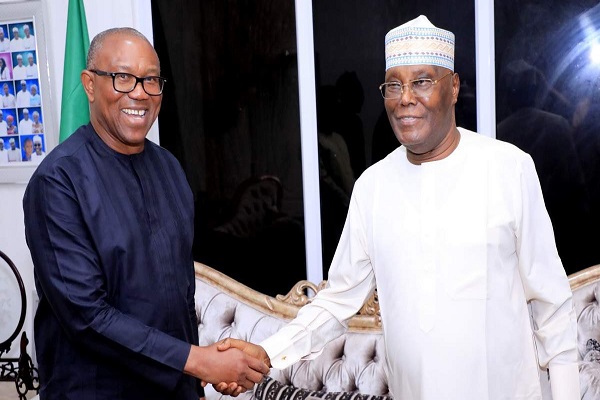
Key opposition figures yesterday began coalition talks ahead of 2027 polls, barely one year into the Administration of President Bola Ahmed Tinubu.
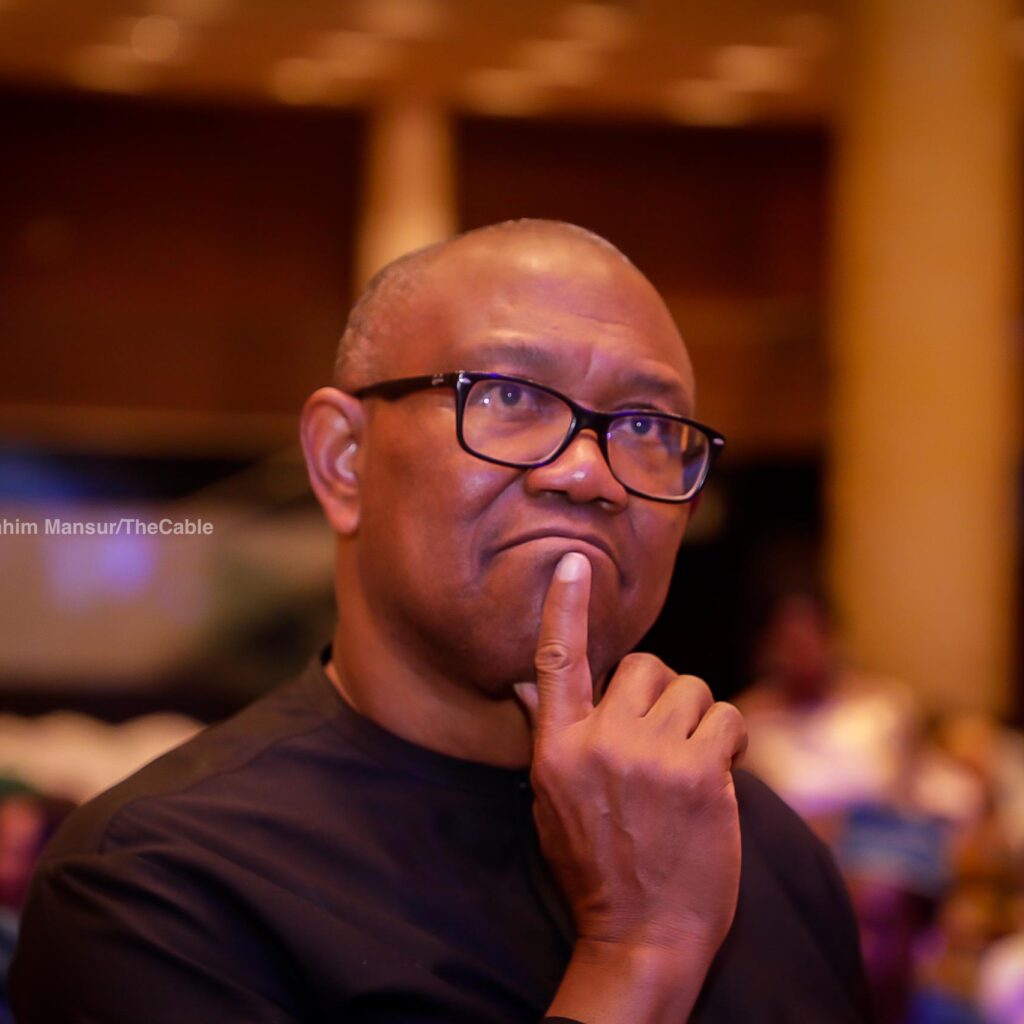
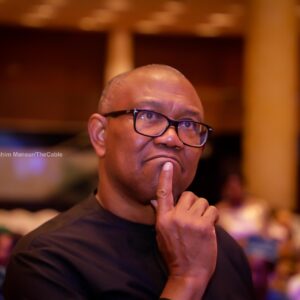
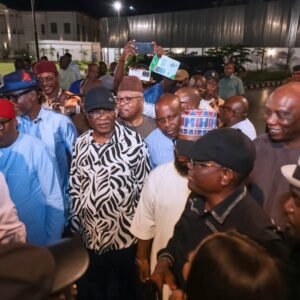
Former Labour Party (LP) presidential candidate Peter Obi held meetings with his Peoples Democratic Party (PDP) counterpart, former Vice President Atiku Abubakar.
He also met with two PDP chieftains, former Senate President Bukola Saraki and former Jigawa State Governor Sule Lamido.
Speaking on Obi’s meeting with Atiku, the ex-VP’s media aide, Paul Ibe, said although they discussed the proposal for coalition, he was not conversant with details of the discussion.
But Obi’s aide, YunusaTanko, was more forthcoming on the reasons behind the meetings.
According to him: “His (Obi) abiding devotion is to the emergence of a Nigeria that works for all its peoples and where the people are quickly pulled out of poverty.
“Worried about the state of the nation and the increasing uncertainty in the living conditions of the poor and underprivileged, Obi in Abuja on Monday visited some top Nigerians, among whom are Former Vice President, and PDP Presidential candidate in the 2023 election, Atiku Abubakar, former Senate President Senator Bukola Saraki and the former Governor of Jigawa state, Alhaji Sule Lamido.
Read Also:
2027: Obi, Obidients not our concern now – Presidency
“At the centre of discussion during each of these visits was the state of the nation and how to reduce the suffering of all Nigerians irrespective of class and location.
“In particular, the desperate condition of the downtrodden in our midst was highlighted. Of particular interest and emphasis in these discussions was the worrisome situation in the Northern parts of the country.”
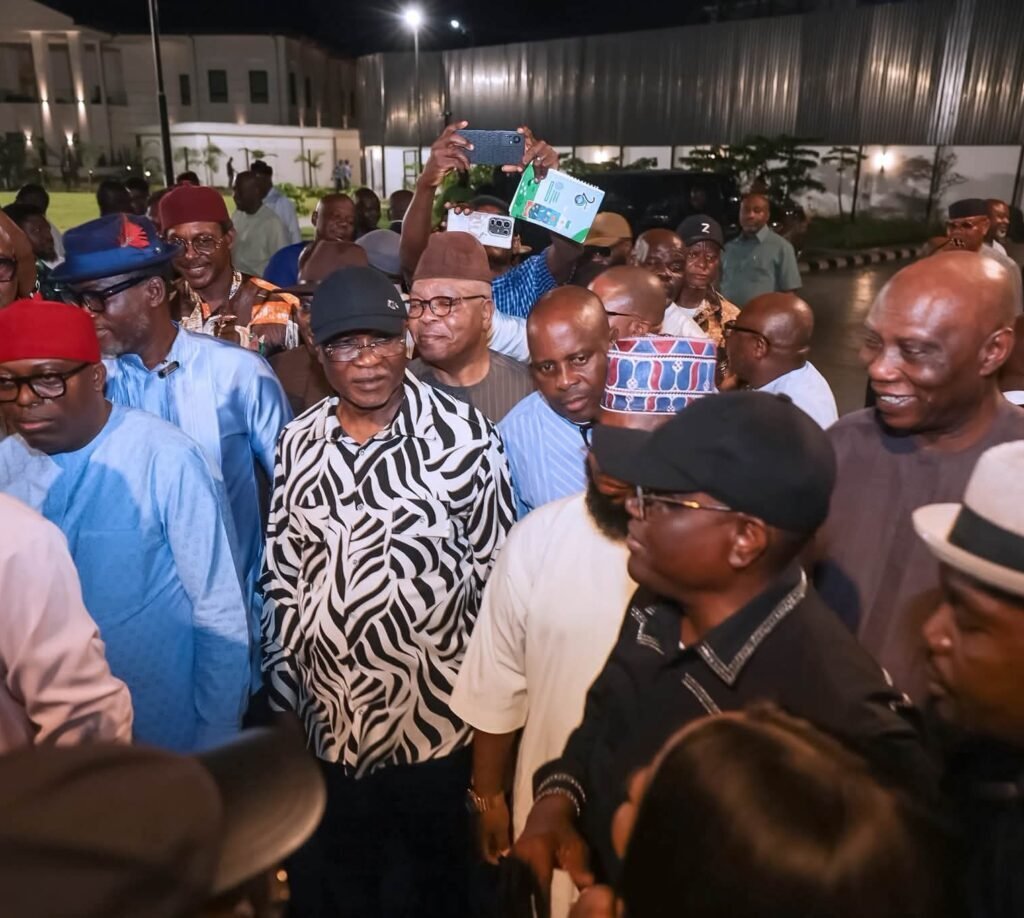
An excited Atiku posted the photographs of the meeting on his social media handle.
Ibe said Atiku was making a significant effort to bring the opposition into a coalition
He said: “Yes, they met at His Excellency, Alhaji Atiku Abubakar’s residence for about 20 minutes this afternoon (yesterday). It was held behind closed doors. So, we wouldn’t know exactly what was discussed.
“We can only guess that it was in furtherance of efforts towards offering Nigerian citizens much better options.
“What is important is that there have been calls for the opposition to coalesce into a strong force and surely, they must have had very positive discussions on some issues of significance . But what we don’t know yet is the exact details of their discussion.”
In 2019, Obi was Atiku’s running mate during the presidential poll on the platform of the PDP. They were defeated by the Buhari/Osinbajo ticket.
During the last year’s poll, Atiku and Obi, who refused to work together, were defeated by President Bola Tinubu.
Shortly after the post-election litigations, Obi also rejected partisan overtures by Atiku, who mooted the idea of coalition.
Currently, both PDP and LP are contending with some internal contradictions, particularly leadership squabbles that have further polarised them.
The PDP, beset by leadership crisis, has been hit by a gale of defections, making it to lose many members to the ruling party.
Also, LP is split into two camps, and in the Southeast, which is its stronghold, it is ebbing away as many chieftains are leaving in droves.
The rift between LP and its acclaimed founder, Nigeria Labour Congress (NLC), has escalated, with the Political Commission of the union rejecting Julius Abure as national chairman.
According to observers, Obi has not demonstrated the capacity to foster reconciliation in the party.
The direction of the proposed PDP/LP coalition upon during the separate meetings is cloudy.

https://t.me/s/iGaming_live/4864
https://t.me/s/officials_pokerdom/4127
https://t.me/dragon_money_mani/12