/ Oct 23, 2026
/ Oct 23, 2026

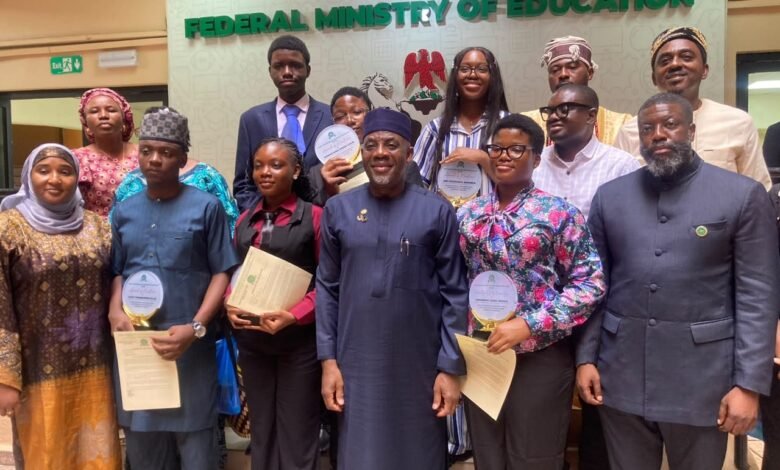
CJN swears in 68 new SANs as 2026/2027 legal year begins

Published on

By

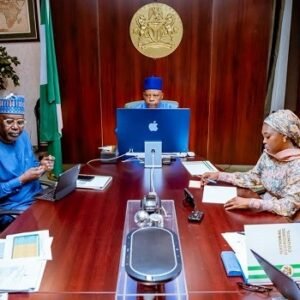
Nigeria’s Chief Justice, Justice Kudirat Kekere-Ekun, has sworn in 68 legal practitioners as Senior Advocates of Nigeria (SANs) during the ceremony marking the 2026/2027 legal year.


The swearing-in took place on Monday, October 12, 2026, as part of activities marking the commencement of the new legal year.

According to PUNCH Newspapers, the Legal Practitioners’ Privileges Committee approved the elevation of the 68 recipients at its 174th plenary session held in Abuja in July.

The new SANs comprise 67 advocates and one academic, Professor Nnamdi Onyeka Obiaraeri.

The rank of Senior Advocate of Nigeria is one of the highest professional distinctions in the country’s legal profession. The elevation recognises contributions to legal practice and scholarship.

Full List of 67 New SANs

The following advocates were listed according to their seniority at the Bar:

1. Ibrahim Gamdeh Adamu
2. Jude Chukwuemeka Okafor
3. Godwill Achibong Umoh
4. Sunday Samuel Obende
5. Adebayo Olugbenga Adaralegbe
6. Jimson Ejovi Okodaso
7. Olalekan Lawrence Bade-John
8. Olaotan Thomas Olusegun
9. Philemeon Audu Daffi
10. Adenrele David Adegborioye
11. James Eromosele Agbonhese
12. Alexander Nduka Muoka
13. Onome Okodiya
14. Emmanuel Akunke Akomaye
15. Ikhide Ehighelua
16. Mas’ud Mobolaji Alabelewe
17. Ogunmuyiwa Olayinka Balogun
18. Anthony Auditz Iroagalachi
19. Mohammed Tajudeen Mohammed
20. Odion Peter Odia
21. Gbemiga Adaramola
22. Moses Okoh Onyilokwu
23. Charles Azubuike Obodozie
24. Hakeem Obafemi Agaba
25. Bimbo Felix Atilola
26. Okechukwu Steve Emelieze
27. Joshua Demilade Olaniyan
28. Igonikon Abiola Adekunle
29. Christian Nnadozie Nwokorie
30. Sadiku Momoh Ilegieuno
31. Sarafa Kolawole Idowu
32. Olujoke Enitan Aliu
33. Oliver Onyenucheya Amuzie
34. Adebisi Emmanuel Adeniyi
35. Faruk Abdullah
36. Sagir Gezawa Suleiman
37. Ifeanyi Godwin Ezeuko
38. Adebayo Folorunsho Ologe
39. Sabiu Gumba Adamu
40. Eric Keme-Egolukumor Omare
41. Soibi Ideriah Ovia
42. Somina Peter Johnbull
43. Chinedum Ikenna Umeche
44. Emmanuel Eghiegba Ekhasemomhe
45. Mohammed El-Hassan Sheriff
46. Junaidu Bello Marshall
47. Olawale Sunday Fapohunda
48. Adebiyi Alaba Adetoboye
49. Senior Sulyman Ibrahim
50. Agba Eimunjeze
51. Ayobamidele Oyekunle Akande
52. Adetunji Taiwo Adedoyin Adeniyi
53. Olamide Moigbotoluwa Adekunle
54. Umaru Yunusa
55. Akorede Habeeb Lawal
56. Darlington Nnabuike Ozurumba
57. Nnaemeka Francis Patrick Egonu
58. Kayode Orire Omosehin
59. Mitchel Akinrinsola Aribisala
60. Bolu Agbaje Akadri
61. Oluwaseun Asimiyu Alao
62. Olugbenga Olusanya Ajala
63. Mustapha Olayinka Ajenifuja
64. Afees Hassan Adebayo
65. Mohammed Abiodun Adelodun
66. Jonathan Akintola Makinde
67. Olajide Salami

Academic Recipient

The sole academic elevated to the rank is Professor Nnamdi Onyeka Obiaraeri.

The appointments recognise the recipients’ contributions to Nigeria’s legal profession, including advocacy and academic scholarship.

You May Like

Leave a Reply

Your email address will not be published. Required fields are marked *

Most Popular

Must Read

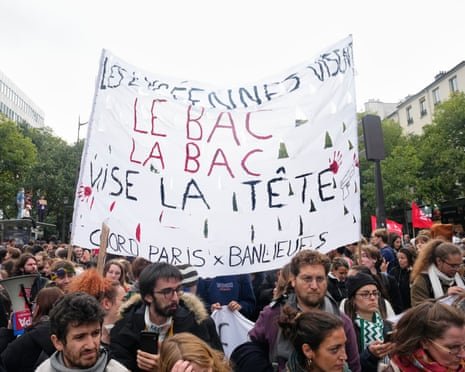
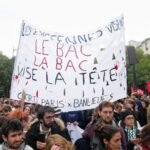
Protesters march during a demonstration in Paris, France, on October 6, 2026, amid nationwide protests over rising living costs and learning conditions.

Macron tightens security as France bans new protests

French authorities have imposed fresh restrictions on protests across the country following violent clashes, looting and vandalism that erupted during demonstrations over the rising cost of living.   President Emmanuel Macron announced the measures on Thursday, October 22, after meeting key ministers and intelligence officials. The restrictions include curfews and bans on demonstrations organised by what the government describes as groups without legitimacy. Macron said restoring calm was the government’s immediate priority, adding that he would chair another defence council meeting on Friday to determine how to respond to nationwide demonstrations planned for Saturday and beyond. He blamed organised far-left groups for the worst of last weekend’s violence, accusing them of attempting to undermine the French republic. France Tightens Protest Restrictions The latest measures follow clashes on October 17, when demonstrations involving more than half a million people against rising living costs were followed by widespread looting and damage to public buildings. The government has acknowledged that police lost control during the unrest, while political candidates seeking to succeed Macron in presidential elections expected in six months have questioned the authorities’ ability to restore order. In Paris, a student demonstration went ahead on Thursday after an emergency court overturned a police ban. Hundreds attended the rally, which followed four weeks of student protests before the October 17 demonstrations. Student leader Coppelia Moreau accused the authorities of attempting to distinguish between acceptable and unacceptable protesters, arguing that the restrictions threatened the right to demonstrate. Authorities in Lyon, France’s third-largest city, banned all protests scheduled for Saturday. The city experienced the looting of between 200 and 300 shops during last weekend’s unrest, while a tourist office was set on fire. Other cities, including Grenoble, Rouen, Le Havre and Toulon, also announced restrictions on demonstrations in their city centres. In Paris, police said a march planned for Saturday could proceed in the eastern part of the capital, beginning at Bastille, but would not be allowed to enter the city centre, where major public buildings and shops are located. The Yellow Vest movement, which has joined trade unions in organising the cost-of-living demonstrations, rejected the restrictions. Meanwhile, Art Basel Paris, the capital’s biggest art fair, announced that it would close two days earlier than scheduled because of the planned protests. France’s Interior Ministry said 20 per cent more police officers would be deployed on Saturday than during the previous weekend’s demonstrations. Arrests Rise as Government Seeks Dialogue The French government has promised a firm response to the violence, although Macron has ruled out declaring a state of emergency. Justice Minister Gerald Darmanin said on Thursday that 217 of the 2,700 people arrested during and since last weekend’s unrest had been detained, while another 1,000 were facing prosecution. Prosecutors also confirmed the arrest of a 66-year-old man over the arson attack on the 19th-century town hall in Limoges. Another man in his 30s had been arrested on Tuesday in connection with the same incident. The unrest has intensified political divisions ahead of the presidential elections scheduled for April and May. Marine Le Pen, the far-right leader who is topping opinion polls, accused Macron and his centrist government of being too weak in their response to the violence. Jean-Luc Mélenchon, a far-left presidential candidate who has faced criticism from the government over his response to the unrest, blamed what he described as the authorities’ continued use of excessive force. Prime Minister Sébastien Lecornu also began consultations with political leaders and other stakeholders in an effort to address the crisis. On Thursday, he met representatives of France’s major political parties, although Le Pen’s National Rally sent a lower-ranking official rather than a senior party leader. Lecornu was scheduled to meet mayors next, followed by discussions with student groups, trade unions and the employers’ federation on Monday. The government’s next steps are expected to be determined following Friday’s defence council meeting, as authorities prepare for further demonstrations across the country.
Read more

Editor's Pick

Trending News

Newsletter

Enter your email address and receive notifications of news by email.

You have been successfully Subscribed! Ops! Something went wrong, please try again.

© 2026 GongNews. All Rights Reserved.