Nigeria’s Federal Government has urged residents to observe strict hygiene and avoid contact with infected body fluids following the confirmation of an Ebola case in the Federal Capital Territory, Abuja.
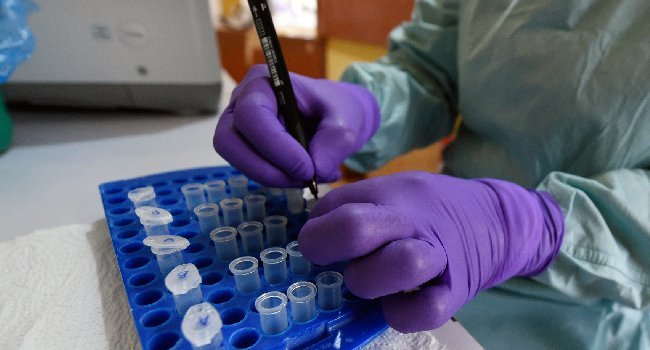
The government has commenced contact tracing after laboratory tests confirmed the infection in a woman who recently arrived in Nigeria on an international flight from Uganda.
According to a report by PUNCH, Health and Social Welfare Minister, Professor Ali Pate, said the woman had been admitted to a private hospital in the FCT, where she received treatment for several days before the infection was confirmed.
She is currently in isolation and receiving medical care.
The government said 44 contacts had been identified, including healthcare workers, patients, caregivers and travel contacts. Public health teams are working to identify and monitor others who may have been exposed.
Authorities have directed public and private health facilities to strengthen surveillance, promptly isolate suspected cases, follow infection prevention procedures and report suspected infections to public health officials.
The government has also appealed to people contacted by health authorities, including passengers who may have travelled with the patient, to cooperate with the contact-tracing exercise.
How Ebola Spreads
The World Health Organisation (WHO) says Ebola spreads through direct contact with the blood or other body fluids of an infected person who is sick or has died from the disease.
The virus can enter the body through broken skin or mucous membranes, including the eyes, nose and mouth.
People can also become infected by touching objects and surfaces contaminated with infected body fluids, such as blood, vomit and faeces.
According to the WHO, people cannot transmit Ebola before developing symptoms. However, they remain infectious for as long as the virus is present in their blood.
Human infection can also occur through contact with infected animals, including fruit bats and certain wild animals.
The WHO advises people to avoid handling sick or dead wild animals and to refrain from eating their raw meat.
Ebola Prevention: Safety Measures Nigerians Should Follow
To reduce the risk of infection, Nigerians are advised to observe the following precautions:
1. Wash your hands regularly
Wash your hands thoroughly with soap and water, particularly after using the toilet, before eating and after potentially contaminated contact.
2. Avoid contact with body fluids
Do not touch the blood or other body fluids of anyone suspected or confirmed to have Ebola.
3. Avoid contact with suspected cases
People suspected of having Ebola should receive medical care in designated treatment facilities, where appropriate infection-control measures can be implemented.
4. Keep your surroundings clean
Maintain good personal hygiene and clean frequently touched surfaces appropriately.
5. Avoid sick or dead wild animals
Do not handle sick or dead wild animals, and avoid eating raw meat from potentially infected animals.
6. Observe safe burial practices
Traditional funeral practices involving direct contact with the body of someone who died from Ebola can expose mourners to infection. Burials should be conducted safely and with dignity by appropriately trained personnel.
7. Cooperate with contact tracing
Anyone contacted by public health officials should provide accurate information and follow instructions for monitoring and medical assessment.
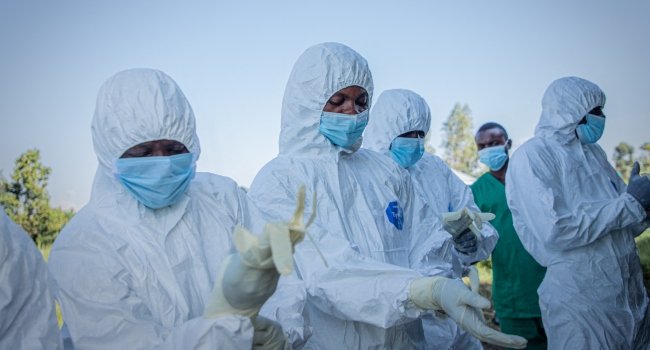
Healthcare workers must also use appropriate personal protective equipment and follow established infection prevention and control procedures when caring for suspected or confirmed cases.
Ebola Symptoms: When to Seek Medical Help
The WHO says Ebola symptoms may appear between two and 21 days after infection.
Early symptoms include fever, fatigue, muscle pain, headache and sore throat. Other symptoms may include vomiting, diarrhoea and abdominal pain.
However, Ebola symptoms can resemble those of other illnesses, including malaria and typhoid fever. Symptoms alone cannot confirm the disease.
Anyone who develops symptoms after possible exposure should seek urgent medical assessment and inform healthcare workers about the potential contact.
People should not attempt to diagnose or treat suspected Ebola at home.
Why Contact Tracing Is Important
Contact tracing helps health authorities identify people who may have been exposed to an infected person and monitor their health.
The WHO recommends monitoring potentially exposed individuals for 21 days, which corresponds to the maximum known incubation period for Ebola.
This process helps ensure that anyone who develops symptoms can receive prompt medical attention while reducing the risk of further transmission.
The Federal Government has urged Nigerians who suspect possible exposure to cooperate with public health teams rather than conceal information or avoid follow-up.
The government has also provided the Nigeria Centre for Disease Control and Prevention’s toll-free call centre, 6232, for information and reports of suspected cases.
According to the WHO, early supportive care, including rehydration and treatment of symptoms, can improve survival.
Authorities continue to emphasise prompt reporting, early medical care, contact tracing and consistent infection-control practices as essential measures for limiting the spread of Ebola.