

/ Oct 08, 2026
/ Oct 08, 2026

IPOB declares May 30 sit-at-home in South East

Published on

By

The Indigenous People of Biafra (IPOB) has declared Thursday May 30 as sit-at-home day in South East to honour those who fought in the civil war.

A statement by IPOB’s Media and Publicity Secretary, Comrade Emma Powerful, announced: “The sit-at-home is an annual event held on May 30th to remember the men and women who died during the Nigerian civil war between 1967 and 1970.

“IPOB leader, Mazi Nnamdi OkwuChukwu Kanu, urged all Biafrans, friends of Biafra, and residents in Biafra Land to observe the sit-at-home and reflect on the sacrifices made by the fallen heroes.

Read Also:

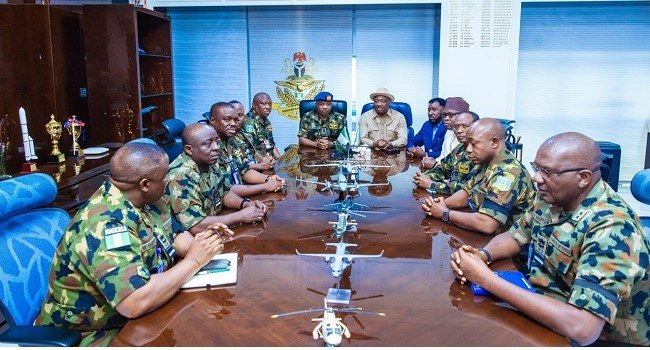
IPOB: Nigerian Army neutralise terrorists, clear hideouts in Imo

“All schools, government offices, private offices, banks, transport unions, market unions, and private individuals are expected to shut down operations on May 30th, except for medical personnel and emergency workers.”

IPOB also called on Christians and traditional worshipers to use the day to pray for the fallen heroes and for Biafra’s independence from Nigeria.

The group warned residents to avoid loitering and stay indoors from 6 am to 6 pm to avoid any confrontation with security forces.

“IPOB members in diaspora are encouraged to organize peaceful rallies and seminars to raise awareness about the Biafran struggle and the ongoing genocide against the Biafran people.

By honoring the heroes and heroines of the Biafran struggle, IPOB hopes to keep their memory alive and continue the fight for Biafra’s freedom and independence, ” the statement added.

You May Like

One thought on “IPOB declares May 30 sit-at-home in South East”

Leave a Reply

Your email address will not be published. Required fields are marked *

Most Popular

Must Read

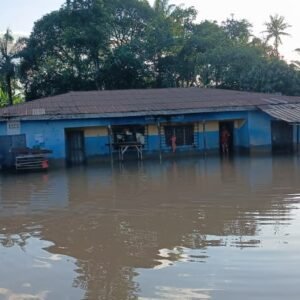
Rivers resident doctors warn of disease outbreaks and rising malaria risks following flooding in the state.

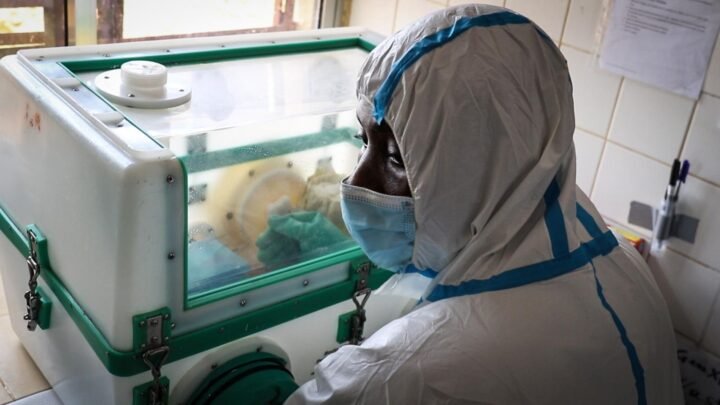
Rivers flooding: Doctors warn of malaria, disease outbreaks

Flooding in Rivers State could trigger disease outbreaks and worsen food insecurity, the Association of Resident Doctors (ARD), Rivers State University Teaching Hospital (RSUTH), has warned.   The association’s president, Dr Chris-Biriowu Harold, raised the alarm at the group’s Second Ordinary General Meeting, held under the theme, “Health Workers Security Summit.” Harold described flooding as a “turmoil”, warning that flood-prone communities could face increased cases of malaria and other diseases. He said flooding could also destroy crops, potentially worsening food insecurity, hunger and famine among affected communities. “Flood is a turmoil in any part of the world. It happens here in Rivers State. We know the consequences. It can lead to diseases, plagues. There is always an increase in malaria at flood-prone areas, and it can also lead to hunger and famine in the land because crops will die. People will suffer,” he said. The doctor urged residents to take precautions against flood-related health risks by keeping their surroundings clean and avoiding the disposal of refuse in gutters and drainage channels. He also commended the Rivers State Government for its efforts to mitigate the impact of the flooding. Doctors Raise Alarm Over Healthcare Workers’ Safety The resident doctors also used the summit to call for stronger security measures to protect doctors and other healthcare workers from attacks. Harold said the association was working with security agencies to develop strategies for preventing assaults on medical personnel. He advised healthcare workers to remain security-conscious, use established communication channels and promptly report security concerns. Representing the Rivers State Commissioner of Police, CP Olugbenga Adepoju, ACP Ahunnaya Chukwudi said the command had continued to deploy personnel to protect healthcare facilities and residents. He urged health workers to remain vigilant, report security threats and de-escalate potentially violent situations. Major Oluwakayode Johnson, representing the General Officer Commanding, 6 Division, Nigerian Army, Major General Ernest Okoro, described healthcare as “national critical infrastructure” and called for stronger protection of hospitals. He advocated functional hospital security committees, emergency alarms, screening and detection systems, de-escalation training and trained security guards at healthcare facilities. The summit was attended by healthcare workers and other stakeholders, with discussions also focusing on the rights of health workers and patients.
Read more

Editor's Pick

Trending News

Newsletter

Enter your email address and receive notifications of news by email.

You have been successfully Subscribed! Ops! Something went wrong, please try again.

© 2026 GongNews. All Rights Reserved.