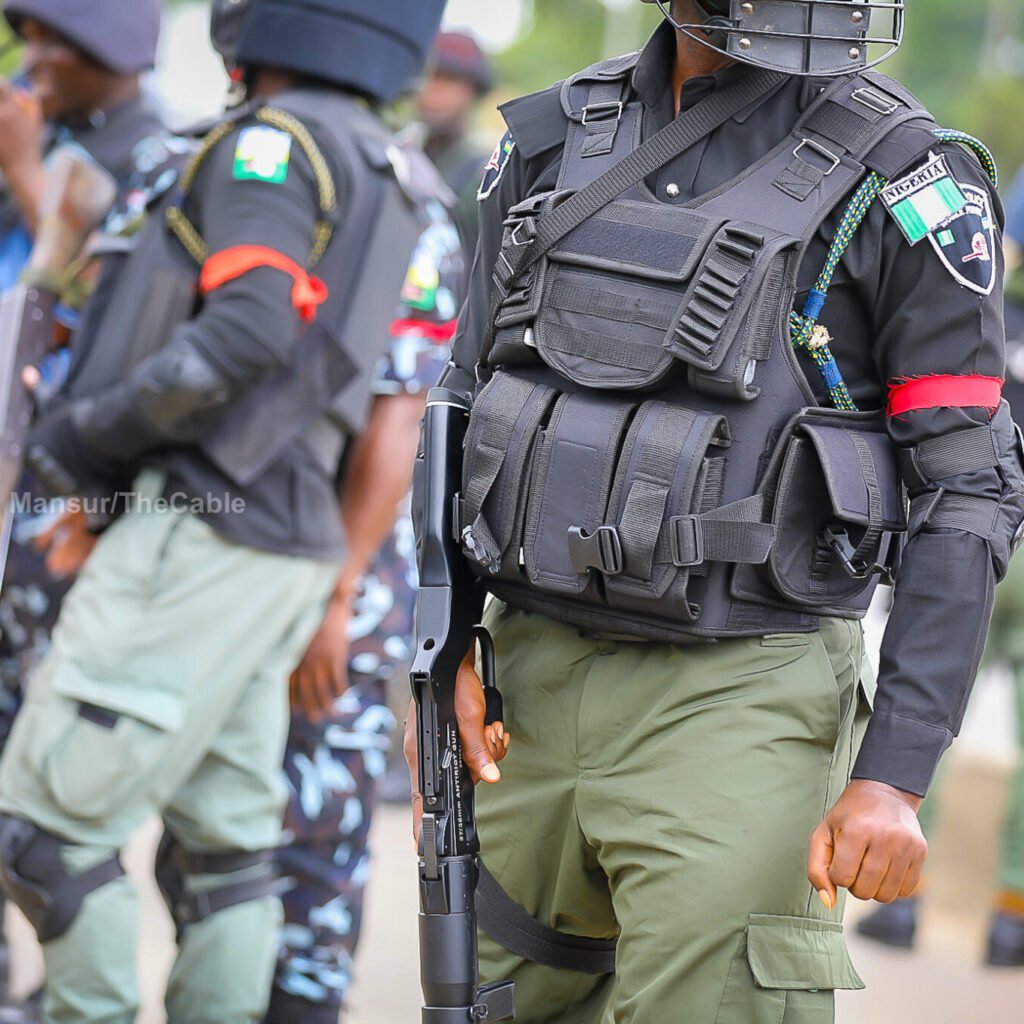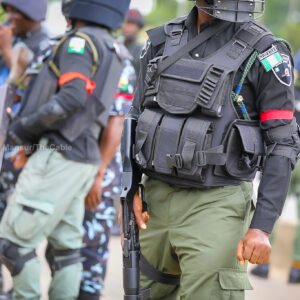

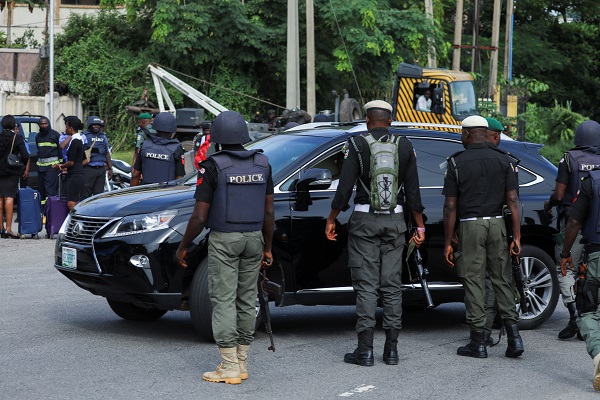
Thirty-one Nigerian states spent an estimated N252.26bn on security-related activities in the first six months of 2026, despite continued killings, kidnappings, banditry and other criminal activities across the country.
An analysis of state budget performance reports for the first and second quarters of 2026, obtained from Open Nigerian States, a BudgIT-backed budget data platform, showed that Kogi recorded the highest security expenditure at N34.67bn.
Plateau followed with N23.69bn, while Bauchi spent N22.35bn. The three states accounted for about N80.70bn, or 32 per cent, of the total expenditure captured in the data.
Other major spenders included Bayelsa with N17.49bn, Ekiti with N14.83bn, Anambra with N13.40bn, Sokoto with N11.27bn, Ondo with N10.54bn and Kaduna with N10.37bn.
The expenditure covered security equipment, homeland security personnel, security votes and operations, ministries responsible for security and special advisers, as well as security trust funds.
Overall spending rose substantially from the N75.84bn recorded in 2025 to N252.26bn in 2026. However, the comparison is not based on identical state coverage, as the latest dataset contains figures for more states.
For the 22 states with comparable 2025 figures, expenditure increased from about N75.84bn to N144.44bn, representing a rise of approximately 90.5 per cent.
Security equipment accounted for N37.08bn, while homeland security personnel expenditure reached N26.89bn. Security votes and related homeland security expenditure rose from N47.67bn to N135.61bn.
Expenditure under ministries of security and special advisers also increased from N14.95bn to N42.15bn, while security trust fund spending climbed from N6.82bn to N10.53bn.
The spending came amid persistent insecurity nationwide. The National Human Rights Commission’s first-quarter Human Rights Observatory documented 651 kidnapping incidents and 492 killings between January and March 2026.
A separate SARI Global report obtained by The PUNCH recorded 792 deaths in 882 security incidents across the 36 states and the Federal Capital Territory in June alone.
Official mid-year operational figures also showed that military and other security agencies conducted about 14,000 operations during the first half of 2026, killing 1,597 terrorists and insurgents and rescuing 1,516 kidnapped victims.
Despite the increased spending, security experts and civil society groups have called for greater accountability and measurable outcomes.
Former Assistant Inspector-General of Police, Wilson Inalegwu, advocated result-based security budgeting, saying governors should require Commissioners of Police to prepare annual policing plans tied to specific security challenges and measurable targets.
He said spending should be linked to identified needs such as patrol vehicles, surveillance cameras, drones and other equipment, with security officials periodically assessed against agreed crime-reduction targets.
The Executive Chairman of the Centre for Anti-Corruption and Open Leadership, Debo Adeniran, also called for accountability, questioning whether security funds were reaching personnel and agencies that needed them.
Similarly, the Executive Director of the Civil Society Legislative Advocacy Centre, Auwal Musa Rafsanjani, called for detailed disclosure of security procurements and expenditure.
The figures show a sharp expansion in state-level security financing, but the continued incidence of killings, kidnappings and other crimes has kept attention focused on whether increased spending is producing measurable improvements in public safety.