/ Oct 23, 2026
/ Oct 23, 2026

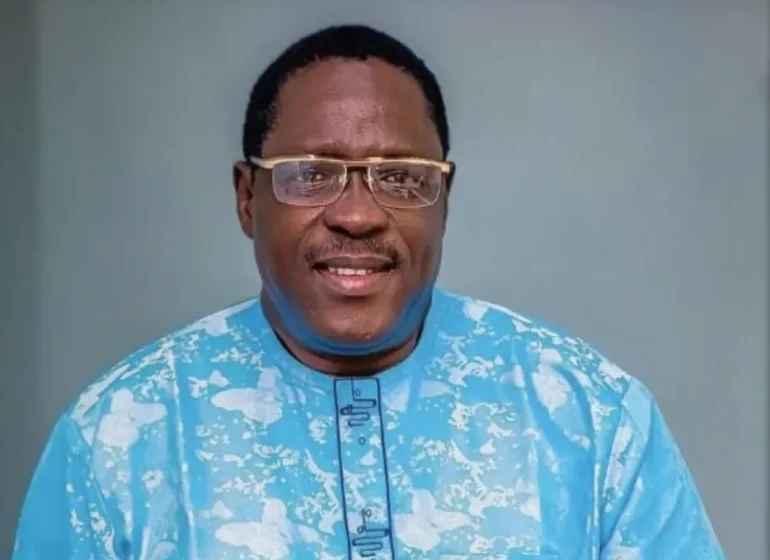
Nollywood actor Taiwo Hassan Ogogo dies at 66 after battle with cancer

Published on

By

Nollywood has been thrown into mourning following the death of veteran Yoruba actor, Taiwo Hassan, popularly known as Ogogo, who passed away at the age of 66.


Ogogo died on Sunday, August 23, 2026, after battling stage-four cancer. His remains were scheduled to be taken to his hometown, Ilaro, Ogun State, where his burial rites began on Monday.

The actor’s death was announced by veteran filmmaker, Jide Kosoko, who confirmed that Ogogo passed away at about 3pm.

Ogun State Governor Dapo Abiodun described the late actor as a “shining light” whose career helped promote Yoruba culture and Nigerian entertainment globally.

The governor noted that Ogogo’s talent, humility and professionalism made him one of the most respected figures in the Nigerian film industry.

Several actors also paid emotional tributes to the late star.

Odunlade Adekola described him as a great star who remained impactful until his final days, while Femi Adebayo praised him as a pillar of Yoruba cinema whose legacy would continue for generations.

Bolanle Ninalowo also honoured Ogogo, thanking him for paving the way for younger actors.

Ogogo’s death came days after his family appealed for urgent medical assistance following the revelation that he was battling stage-four cancer. His daughters, Kira and Lima Taiwo, had sought help from medical experts and appealed for possible treatment options.

The appeal attracted support from colleagues, fans and well-wishers, with Jide Kosoko coordinating efforts to find credible medical assistance.

Despite the widespread support, the actor eventually succumbed to the illness.

Before his final health battle, Ogogo had survived other serious medical challenges, including a long struggle with ulcer complications that affected his health for years.

Born in Ilaro, Ogun State, Taiwo Hassan began his career outside entertainment, training in automobile engineering and working with the Lagos State Water Corporation before becoming a full-time actor.

He rose through Nigeria’s travelling theatre tradition before becoming one of the most recognisable faces in Yoruba-language cinema.

His breakthrough came with his role in Tade Ogidan’s film, Owo Blow, which earned him recognition and an award at THEMA ’97.

With more than four decades in the industry and hundreds of film appearances, Ogogo became a symbol of Yoruba cinema, leaving behind a legacy as an actor, producer and filmmaker.

You May Like

Leave a Reply

Your email address will not be published. Required fields are marked *

Most Popular

Must Read

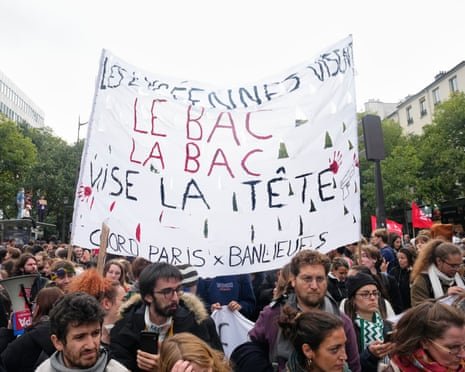
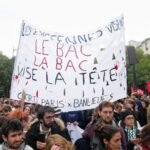
Protesters march during a demonstration in Paris, France, on October 6, 2026, amid nationwide protests over rising living costs and learning conditions.

Macron tightens security as France bans new protests

French authorities have imposed fresh restrictions on protests across the country following violent clashes, looting and vandalism that erupted during demonstrations over the rising cost of living.   President Emmanuel Macron announced the measures on Thursday, October 22, after meeting key ministers and intelligence officials. The restrictions include curfews and bans on demonstrations organised by what the government describes as groups without legitimacy. Macron said restoring calm was the government’s immediate priority, adding that he would chair another defence council meeting on Friday to determine how to respond to nationwide demonstrations planned for Saturday and beyond. He blamed organised far-left groups for the worst of last weekend’s violence, accusing them of attempting to undermine the French republic. France Tightens Protest Restrictions The latest measures follow clashes on October 17, when demonstrations involving more than half a million people against rising living costs were followed by widespread looting and damage to public buildings. The government has acknowledged that police lost control during the unrest, while political candidates seeking to succeed Macron in presidential elections expected in six months have questioned the authorities’ ability to restore order. In Paris, a student demonstration went ahead on Thursday after an emergency court overturned a police ban. Hundreds attended the rally, which followed four weeks of student protests before the October 17 demonstrations. Student leader Coppelia Moreau accused the authorities of attempting to distinguish between acceptable and unacceptable protesters, arguing that the restrictions threatened the right to demonstrate. Authorities in Lyon, France’s third-largest city, banned all protests scheduled for Saturday. The city experienced the looting of between 200 and 300 shops during last weekend’s unrest, while a tourist office was set on fire. Other cities, including Grenoble, Rouen, Le Havre and Toulon, also announced restrictions on demonstrations in their city centres. In Paris, police said a march planned for Saturday could proceed in the eastern part of the capital, beginning at Bastille, but would not be allowed to enter the city centre, where major public buildings and shops are located. The Yellow Vest movement, which has joined trade unions in organising the cost-of-living demonstrations, rejected the restrictions. Meanwhile, Art Basel Paris, the capital’s biggest art fair, announced that it would close two days earlier than scheduled because of the planned protests. France’s Interior Ministry said 20 per cent more police officers would be deployed on Saturday than during the previous weekend’s demonstrations. Arrests Rise as Government Seeks Dialogue The French government has promised a firm response to the violence, although Macron has ruled out declaring a state of emergency. Justice Minister Gerald Darmanin said on Thursday that 217 of the 2,700 people arrested during and since last weekend’s unrest had been detained, while another 1,000 were facing prosecution. Prosecutors also confirmed the arrest of a 66-year-old man over the arson attack on the 19th-century town hall in Limoges. Another man in his 30s had been arrested on Tuesday in connection with the same incident. The unrest has intensified political divisions ahead of the presidential elections scheduled for April and May. Marine Le Pen, the far-right leader who is topping opinion polls, accused Macron and his centrist government of being too weak in their response to the violence. Jean-Luc Mélenchon, a far-left presidential candidate who has faced criticism from the government over his response to the unrest, blamed what he described as the authorities’ continued use of excessive force. Prime Minister Sébastien Lecornu also began consultations with political leaders and other stakeholders in an effort to address the crisis. On Thursday, he met representatives of France’s major political parties, although Le Pen’s National Rally sent a lower-ranking official rather than a senior party leader. Lecornu was scheduled to meet mayors next, followed by discussions with student groups, trade unions and the employers’ federation on Monday. The government’s next steps are expected to be determined following Friday’s defence council meeting, as authorities prepare for further demonstrations across the country.
Read more

Editor's Pick

Trending News

Newsletter

Enter your email address and receive notifications of news by email.

You have been successfully Subscribed! Ops! Something went wrong, please try again.

© 2026 GongNews. All Rights Reserved.