
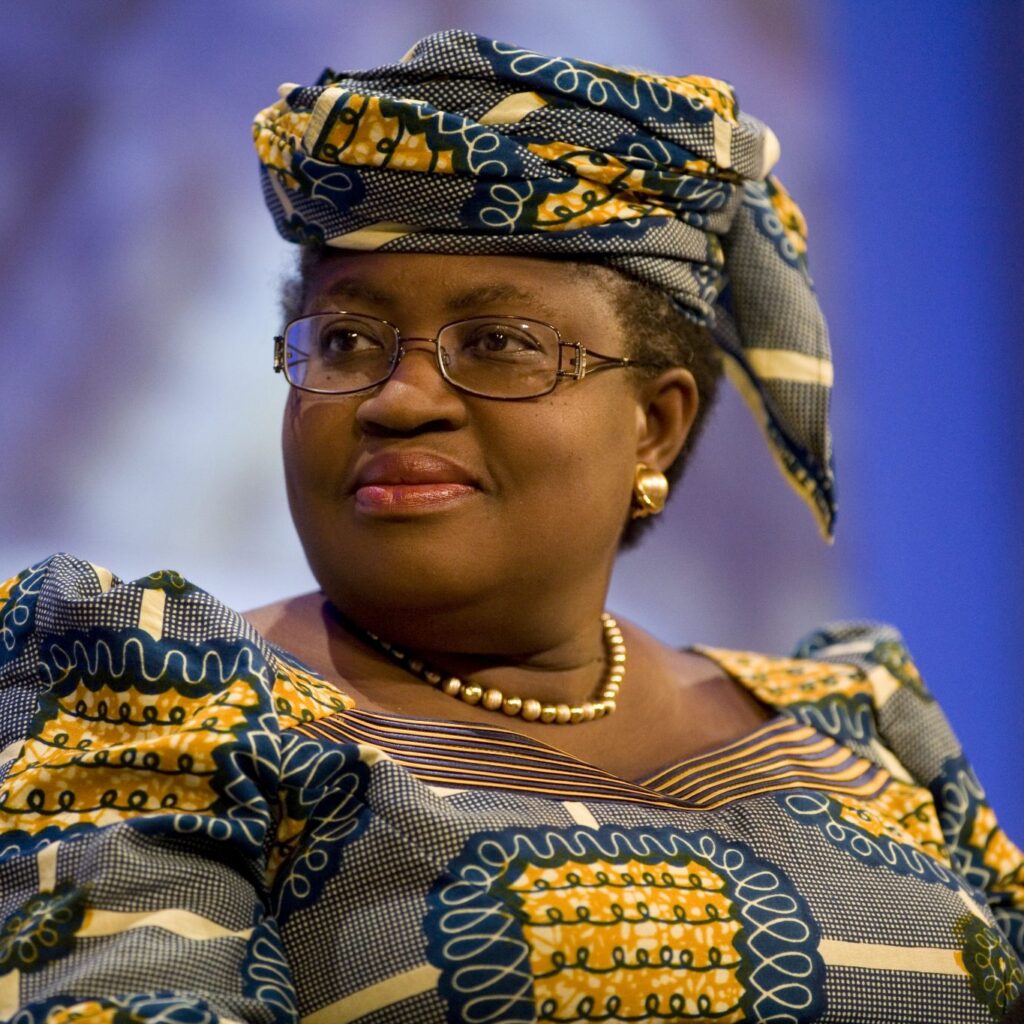
Director-General of the World Trade Organisation (WTO), Ngozi Okonjo-Iweala, has said Nigeria’s successful negotiation of about $30 billion in Paris Club debt relief was driven not only by tough economic reforms but also by effective communication that helped citizens understand and support the government’s policies.
Speaking at the public presentation of The Pain and the Promise, a book by communications strategist Paul Nwabuikwu in Abuja, Okonjo-Iweala recalled returning from the World Bank in 2003 to help rebuild Nigeria’s finances during the administration of former President Olusegun Obasanjo.
She said the reform programme, which included negotiating the country’s exit from about $30 billion in external debt owed to the Paris Club, required significant sacrifices from Nigerians and could only succeed if the public clearly understood its purpose and long-term benefits.
According to her, this informed the decision to prioritise communication as a core element of the economic reform agenda.
Okonjo-Iweala explained that government policies, especially difficult economic measures, needed to be presented in simple language that ordinary Nigerians could understand rather than technical economic terms.
She credited Paul Nwabuikwu with leading that communication effort, describing him as an exceptional strategist whose work helped build public confidence in the reform programme.
The WTO chief said the communication strategy played a vital role in securing the public support that enabled the government to implement reforms leading to the historic debt relief agreement.
She stressed that reform goes beyond introducing new laws, noting that governments must explain policy trade-offs honestly and build enough trust to sustain implementation despite challenges.
Looking ahead, Okonjo-Iweala said Nigeria’s long-term economic progress depends on overcoming ethnic, religious and regional divisions to establish a national consensus on development priorities that remains consistent regardless of changes in government.
She also urged Nigerians to prioritise merit and competence when appointing people to positions of responsibility, insisting that talent exists across every part of the country.
Reviewing The Pain and the Promise, she described the book as a thoughtful reflection on Nigeria’s political, economic and social evolution over the past 35 years and encouraged young Nigerians to read it for insights into the country’s reform journey.