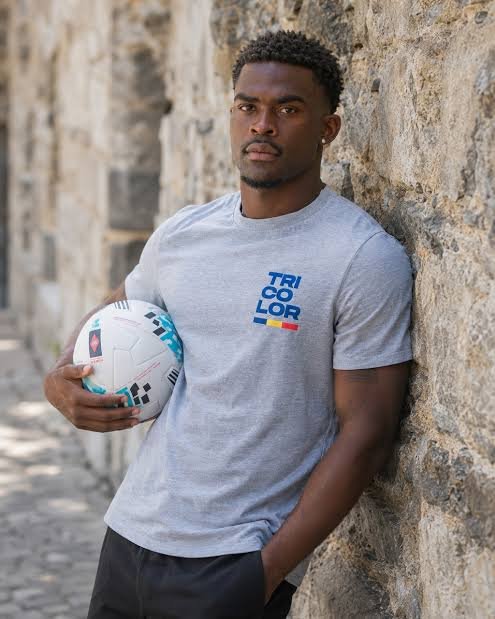
Former Barcelona defender and FC Andorra owner Gerard Pique has criticised the 12-match suspension handed to his club’s goalkeeper, Jesus Owono, following a collision that resulted in the death of Tenerife forward Jesus de Miguel.
Owono and De Miguel collided during a Spanish second-tier league encounter on November 2. De Miguel was rushed to intensive care but died the following day.
The Spanish Football Federation’s (RFEF) disciplinary committee subsequently handed Owono a 12-match suspension for violent conduct resulting in serious injury.
However, Pique has questioned the severity of the punishment, insisting that the incident was accidental and that the goalkeeper should not be held responsible for the tragic outcome.
Speaking in a video shared on TikTok on Monday, the former Barcelona captain said several players, former professionals, coaches and goalkeepers had described the incident as an accident.
“I truly believe that imposing the maximum sanction on Jesus for this action puts him in a situation he does not deserve, because he is not to blame for all of this having happened,” Pique said.
He also compared Owono’s punishment with the three-match suspension given to Albacete player Jose Corpas following another on-field collision.
Corpas was punished for accidentally kicking Sabadell player Quadri Liameed in the head during a separate match. Liameed recovered from the incident.
Questioning the difference in the sanctions, Pique said the disciplinary committee should consider whether it was punishing the action itself or the consequences.
“With all this, my reflection is: what is being sanctioned, the action or the consequences?” he asked.
Owono, 25, has also withdrawn from Equatorial Guinea’s squad for this month’s Africa Cup of Nations qualifiers against Zimbabwe.
Pique further expressed concern about the goalkeeper’s ability to return to competitive football immediately after completing his suspension.
“Jesus is going to need far more than 12 matches before he is available and able to compete.
“No sanction is going to bring Demi (De Miguel) back to us,” he added.
RFEF Explains 12-Match Suspension
In its disciplinary ruling, the RFEF said the referee’s report indicated that Owono struck De Miguel in the chest with his raised leg, using excessive force while the ball was in play.
The federation classified the incident as a serious offence under Article 102 of its disciplinary code, explaining that the circumstances warranted the maximum punishment of 12 matches.
Meanwhile, Tenerife coach Álvaro Cervera had earlier suggested that the suspension appeared light considering the fatal outcome of the collision.
However, he acknowledged that the federation had imposed the maximum sanction permitted under its existing regulations.
“It might seem a bit light when compared to other cases, but in reality, I don’t think the rules allow for anything else,” Cervera said.
The incident has drawn attention to the disciplinary consequences of on-field collisions and the distinction between a player’s actions and their eventual consequences.