
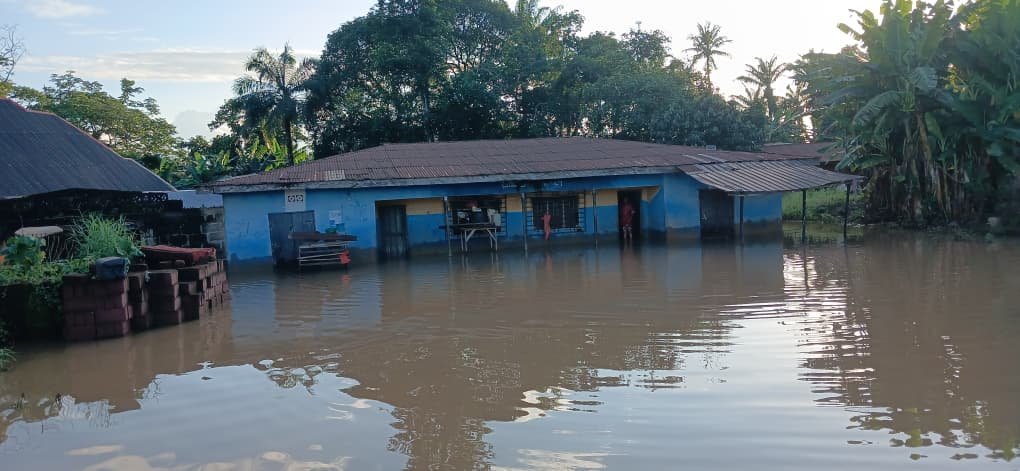
Flooding in Rivers State could trigger disease outbreaks and worsen food insecurity, the Association of Resident Doctors (ARD), Rivers State University Teaching Hospital (RSUTH), has warned.
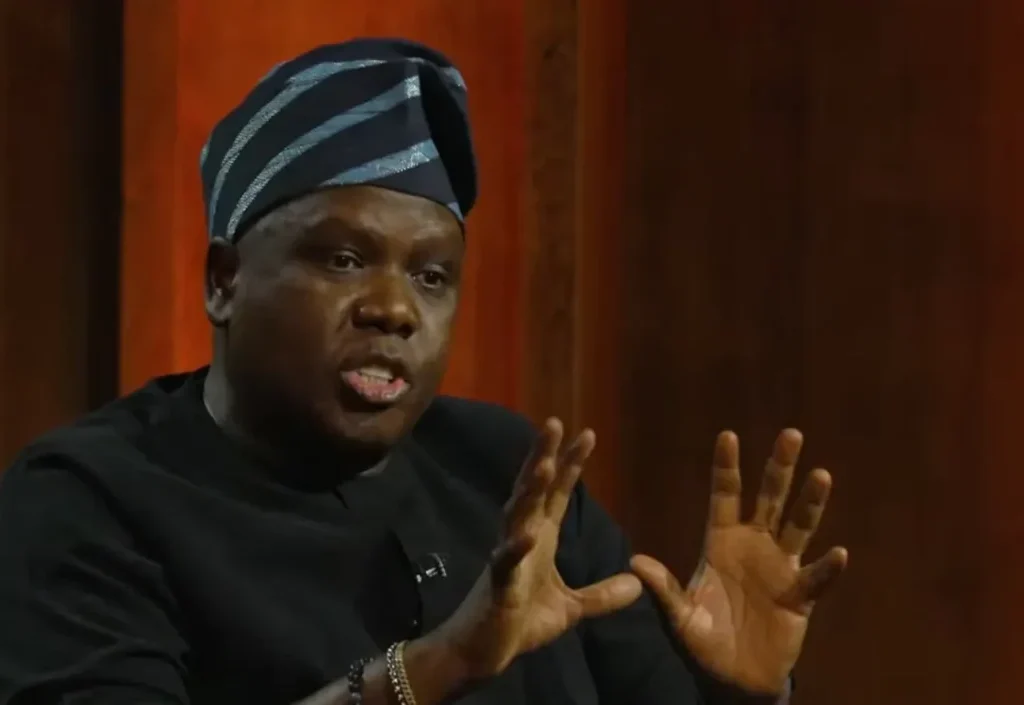
The association’s president, Dr Chris-Biriowu Harold, raised the alarm at the group’s Second Ordinary General Meeting, held under the theme, “Health Workers Security Summit.”
Harold described flooding as a “turmoil”, warning that flood-prone communities could face increased cases of malaria and other diseases.
He said flooding could also destroy crops, potentially worsening food insecurity, hunger and famine among affected communities.
“Flood is a turmoil in any part of the world. It happens here in Rivers State. We know the consequences. It can lead to diseases, plagues. There is always an increase in malaria at flood-prone areas, and it can also lead to hunger and famine in the land because crops will die. People will suffer,” he said.
The doctor urged residents to take precautions against flood-related health risks by keeping their surroundings clean and avoiding the disposal of refuse in gutters and drainage channels.
He also commended the Rivers State Government for its efforts to mitigate the impact of the flooding.
Doctors Raise Alarm Over Healthcare Workers’ Safety
The resident doctors also used the summit to call for stronger security measures to protect doctors and other healthcare workers from attacks.
Harold said the association was working with security agencies to develop strategies for preventing assaults on medical personnel.
He advised healthcare workers to remain security-conscious, use established communication channels and promptly report security concerns.
Representing the Rivers State Commissioner of Police, CP Olugbenga Adepoju, ACP Ahunnaya Chukwudi said the command had continued to deploy personnel to protect healthcare facilities and residents.
He urged health workers to remain vigilant, report security threats and de-escalate potentially violent situations.
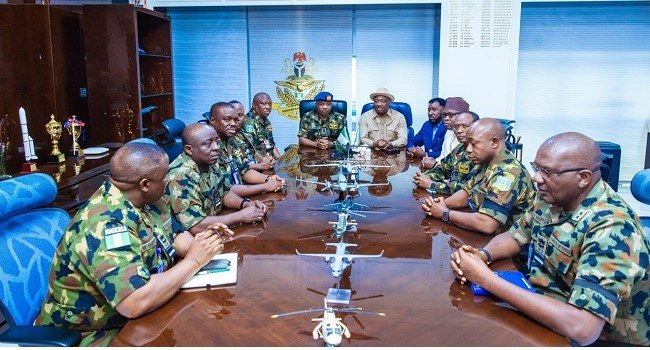
Major Oluwakayode Johnson, representing the General Officer Commanding, 6 Division, Nigerian Army, Major General Ernest Okoro, described healthcare as “national critical infrastructure” and called for stronger protection of hospitals.
He advocated functional hospital security committees, emergency alarms, screening and detection systems, de-escalation training and trained security guards at healthcare facilities.
The summit was attended by healthcare workers and other stakeholders, with discussions also focusing on the rights of health workers and patients.