
/ Oct 05, 2026
/ Oct 05, 2026

Spain calls snap election amid housing crisis protests

Published on

By

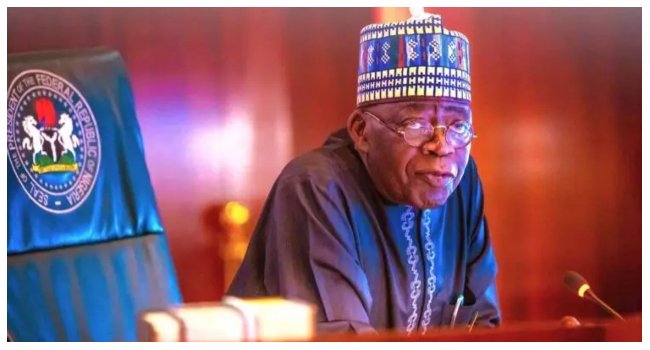
Spain’s Prime Minister Pedro Sánchez has called a snap general election for November 29 after parliament rejected his government’s housing relief measures amid growing protests over soaring rents and house prices.


Sánchez, who has been prime minister since 2018, announced the election in a televised address on Monday, saying he needed a broader parliamentary mandate to advance his government’s agenda.

The election was originally not due until August 2027.

Housing Crisis Fuels Political Pressure

The snap election follows the defeat of housing measures proposed by Sánchez’s minority coalition government.

The proposals included automatic renewal of tenancy agreements and restrictions on evicting vulnerable tenants. Opposition parties rejected the measures, with Catalan separatist party Junts also voting against them despite its importance to the government’s parliamentary support.

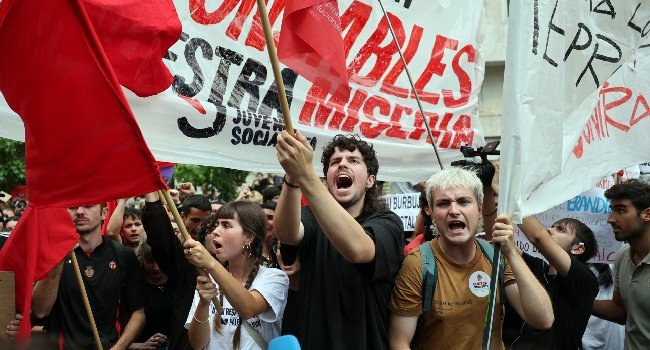
Tens of thousands of people have taken to the streets in Madrid and other Spanish cities demanding affordable housing.

Hundreds of protesters have also maintained a tent camp in central Madrid for more than a week.

The demonstrations intensified following the eviction of 87-year-old Maricarmen Abascal from her Madrid home, where she had lived for more than seven decades.

Housing campaigners said an investment company that acquired the property sought to raise her rent by 275 per cent. The backlash eventually resulted in an agreement allowing Abascal to return at a lower rent.

Rents Nearly Double in a Decade

Spain’s housing affordability crisis has become a major political issue as demand continues to outpace supply.

According to property website Idealista, average rents in Spain have almost doubled over the past decade, while asking prices for homes have increased by about 90 per cent.

Sánchez defended his government’s economic record, arguing that Spain has grown faster than major European peers under his leadership and that unemployment has fallen.

However, rising living costs and housing expenses have left many households struggling to benefit from the wider economic growth.

Opposition Leads in Polls

The conservative Popular Party (PP) has generally led the Socialists in recent opinion polls.

PP leader Alberto Núñez Feijóo welcomed the election announcement and questioned whether Sánchez should receive another term after eight years in power.

However, polls suggest the PP could fall short of an outright parliamentary majority and may need support from the far-right Vox to form a government.

The election is expected to turn the housing crisis, the economy, migration and allegations of corruption involving figures close to Sánchez into major campaign issues.


You May Like

Leave a Reply

Your email address will not be published. Required fields are marked *

Most Popular

Must Read

Pedro Sánchez announces Spain snap election

Spain calls snap election amid housing crisis protests

Spain’s Prime Minister Pedro Sánchez has called a snap general election for November 29 after parliament rejected his government’s housing relief measures amid growing protests over soaring rents and house prices.   Sánchez, who has been prime minister since 2018, announced the election in a televised address on Monday, saying he needed a broader parliamentary mandate to advance his government’s agenda. The election was originally not due until August 2027. Housing Crisis Fuels Political Pressure The snap election follows the defeat of housing measures proposed by Sánchez’s minority coalition government. The proposals included automatic renewal of tenancy agreements and restrictions on evicting vulnerable tenants. Opposition parties rejected the measures, with Catalan separatist party Junts also voting against them despite its importance to the government’s parliamentary support. Tens of thousands of people have taken to the streets in Madrid and other Spanish cities demanding affordable housing. Hundreds of protesters have also maintained a tent camp in central Madrid for more than a week. The demonstrations intensified following the eviction of 87-year-old Maricarmen Abascal from her Madrid home, where she had lived for more than seven decades. Housing campaigners said an investment company that acquired the property sought to raise her rent by 275 per cent. The backlash eventually resulted in an agreement allowing Abascal to return at a lower rent. Rents Nearly Double in a Decade Spain’s housing affordability crisis has become a major political issue as demand continues to outpace supply. According to property website Idealista, average rents in Spain have almost doubled over the past decade, while asking prices for homes have increased by about 90 per cent. Sánchez defended his government’s economic record, arguing that Spain has grown faster than major European peers under his leadership and that unemployment has fallen. However, rising living costs and housing expenses have left many households struggling to benefit from the wider economic growth. Opposition Leads in Polls The conservative Popular Party (PP) has generally led the Socialists in recent opinion polls. PP leader Alberto Núñez Feijóo welcomed the election announcement and questioned whether Sánchez should receive another term after eight years in power. However, polls suggest the PP could fall short of an outright parliamentary majority and may need support from the far-right Vox to form a government. The election is expected to turn the housing crisis, the economy, migration and allegations of corruption involving figures close to Sánchez into major campaign issues.

Read more

Editor's Pick

Trending News

Newsletter

Enter your email address and receive notifications of news by email.

You have been successfully Subscribed! Ops! Something went wrong, please try again.

© 2026 GongNews. All Rights Reserved.