
/ May 15, 2026
/ May 15, 2026

Why Nigeria’s ₦12,000 kidney dialysis plan remains on paper, not in hospitals

Published on

By

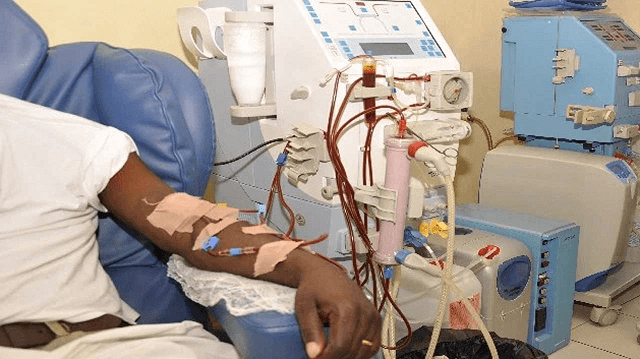
Five months after President Bola Tinubu approved an 80 percent subsidy on kidney dialysis slashing the cost from ₦50,000 to ₦12,000, the policy is yet to be implemented in federal hospitals.

Investigations by Gong-news revealed that patients still pay between ₦35,000 and ₦100,000 per session in some of the hospitals earmarked for the subsidy.

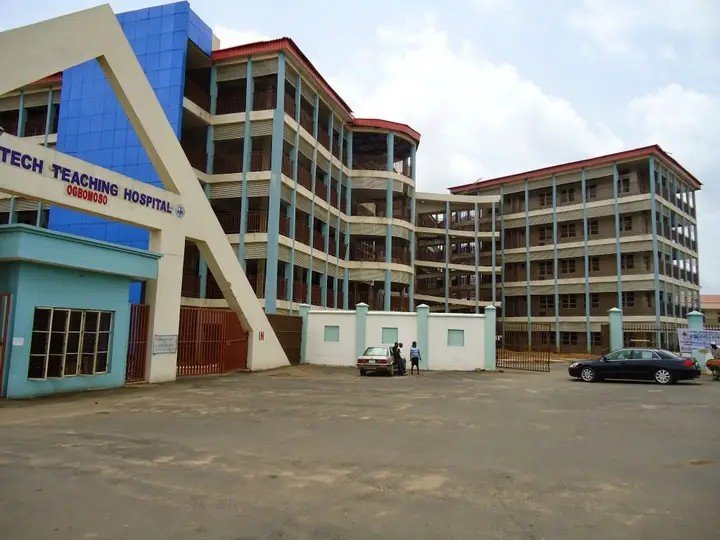
The programme was meant to run across 11 facilities, including Lagos University Teaching Hospital (LUTH), University College Hospital (UCH) Ibadan, University of Maiduguri Teaching Hospital (UMTH), University of Benin Teaching Hospital (UBTH), University of Calabar Teaching Hospital (UCTH), and several Federal Medical Centres in Abuja, Lagos, Owerri, Abeokuta, and Azare.

But checks show no reduction has been applied. At LUTH, patients are billed ₦73,000 for the first dialysis session and ₦43,500 subsequently. At FMC Jabi, Abuja, a session costs ₦35,000 excluding the central line. At FMC Abeokuta, patients pay ₦100,000 for the first session and ₦60,000–₦70,000 afterwards.

Hospital sources say the federal government has yet to release funds to back the subsidy, leaving kidney patients to bear the full financial burden despite the presidential approval.


You May Like

7 thoughts on “Why Nigeria’s ₦12,000 kidney dialysis plan remains on paper, not in hospitals

  1. I will immediately grasp your rss as I can’t in finding your e-mail subscription hyperlink or e-newsletter service. Do you’ve any? Kindly allow me understand in order that I may subscribe. Thanks.

Leave a Reply

Your email address will not be published. Required fields are marked *

Most Popular

Must Read

Governor Bassey Otu speaking during NEMA flood preparedness visit in Cross River State amid warnings of severe flooding in 2026.

Cross River flood warning: Otu seeks urgent federal action

Cross River flood warning has intensified after Bassey Otu appealed to the Federal Government for urgent intervention over recurring floods affecting communities across Cross River State.   According to Channels Television, the governor said annual flooding has become a major ecological threat, warning that the damage now extends beyond homes and farms to broader environmental risks.   Otu spoke during a visit by National Emergency Management Agency Director-General Zubaida Umar and a delegation involved in the 2026 National Flood Preparedness and Awareness Campaign.   He said several projects originally designed to reduce flooding in the state, including drainage systems and water diversion channels, were left incomplete, worsening the situation for vulnerable communities.   “Flooding has continued to confront our state year after year, and it is already common knowledge that Cross River remains one of the high-risk states in the country,” Otu said.   The governor added that planned dam and drainage infrastructure had not been fully delivered, despite earlier engagements with relevant authorities dating back to 2019.   NEMA confirmed that Cross River is among states expected to face severe flooding in 2026, with high-risk local government areas listed as Abi, Akamkpa, Calabar Municipality, Calabar South, Etung, Ikom, Odukpani, Obubra and Obanliku.   Umar said the agency had deployed technical teams to vulnerable communities and was working with traditional rulers, religious leaders and emergency responders to improve awareness and preparedness ahead of the peak flood season.   She noted that while flooding may not be entirely prevented, early warning systems and stronger coordination can reduce losses to lives and livelihoods.
Read more

Editor's Pick

Trending News

Newsletter

Enter your email address and receive notifications of news by email.

You have been successfully Subscribed! Ops! Something went wrong, please try again.

© 2026 GongNews. All Rights Reserved.