

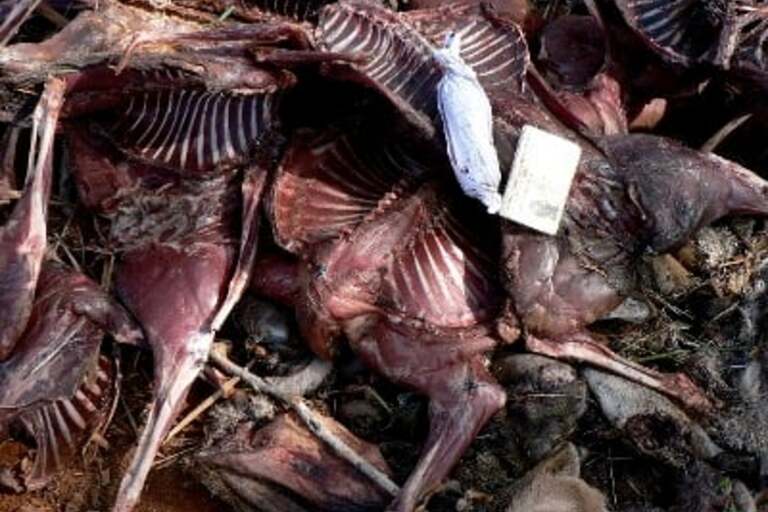
Wild Africa, a conservation nonprofit, has called for urgent and consistent action to reduce the risk of future pandemics by tackling Nigeria’s illegal bushmeat trade.
In a recent statement to mark the World Zoonoses Day, the organisation said by fast-tracking the new wildlife bill, and protecting the country’s dwindling natural habitats, Nigeria can cut zoonotic diseases.
Wild Africa said zoonotic diseases, illnesses that can spread from animals to humans, including Ebola, Mpox (Monkeypox), Lassa Fever, and COVID-19, have impacted Nigeria in recent years.
According to the World Health Organization, 75% of emerging infectious diseases in humans originate from animals, with nearly three-quarters of these coming from wildlife.
Despite this, the illegal bushmeat trade remains widespread in Nigeria, with endangered species such as pangolins, bats, monkeys and snakes sold openly in markets and by roadside vendors.
The conservation NGO said while bushmeat has long been a source of animal protein in remote communities, its growing popularity in cities like Lagos, Abuja and Port Harcourt is fuelling concerns among experts.
The organisation said previous crackdowns during outbreaks such as Ebola and Anthrax often proved temporary, with traders and consumers returning to business as usual once public attention waned and enforcement weakened.
“World Zoonoses Day is a reminder that protecting wildlife is protecting ourselves,” said Mark Ofua, West Africa representative at Wild Africa.
“By embracing the One Health approach, which unites human, animal, and environmental health, we can break the chain of zoonotic diseases. I call on policymakers, communities, and individuals to join hands in preserving Nigeria’s rich biodiversity, halting illegal bushmeat consumption, and investing in sustainable alternatives for those who depend on it.”
Zoonotic diseases can spread through direct or indirect contact with animals — such as bites, scratches or exposure to faeces — as well as through the consumption of animal products and through contaminated environments, including wet markets and abattoirs.
While livestock and domestic animals account for many cases, 71.8% of zoonotic diseases are linked to wildlife. Some of history’s deadliest pandemics have been caused by diseases that jumped from wild animals to humans.
“In recent years, Nigeria has seen outbreaks or threats from several zoonotic diseases: Mpox: 3,771 suspected cases and 1,086 confirmed since 2017; Yellow Fever: 589 suspected cases reported in the first four months of 2024; Anthrax: An outbreak in neighbouring Ghana killed 97 animals and infected several people; Lassa Fever: Endemic in Nigeria, commonly spread through rodents; Marburg Virus: Recent West African outbreaks highlight the need for vigilance; Bird Flu: Widespread across West Africa, with potential to spread between wild and domestic birds and humans,” the statement reads.
“Experts warn that human-driven actions such as habitat destruction, biodiversity loss and the thriving bushmeat trade are intensifying the spread of zoonoses — threatening human health, endangering wildlife and undermining fragile ecosystems.
“Nigeria has taken steps to protect endangered species with the introduction of the Endangered Species Conservation and Protection Bill, which has passed its third reading in the House and will now go to the Senate for further consideration.”
Conservationists say more needs to be done to secure the president’s assent and ensure the law is properly enforced.




















https://t.me/s/Beefcasino_officials