
Nigeria has renewed its call for permanent African representation on the United Nations Security Council, saying the current structure does not reflect the realities of the world in 2026.
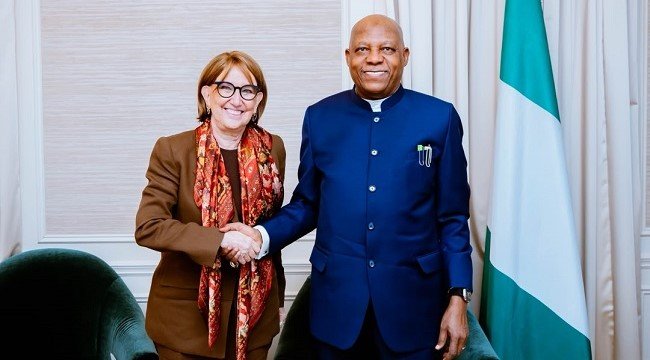
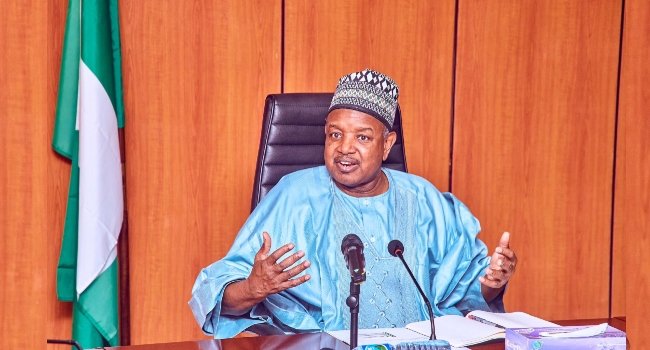
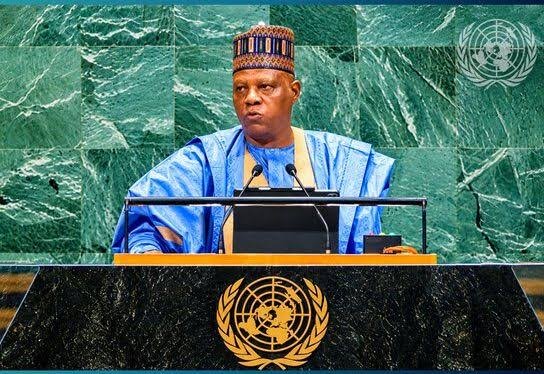
President Bola Tinubu made the demand while addressing delegates at the 81st United Nations General Assembly in New York on Thursday. Vice President Kashim Shettima delivered the address on the President’s behalf.
Tinubu said reform of the UN must begin with the reconstitution of the Security Council, arguing that the global body should no longer be shaped by the distribution of power established in 1945.
Nigeria called for at least two permanent Security Council seats for Africa, with the full rights and responsibilities of permanent membership, including veto powers for as long as the veto remains in place. It also called for five non-permanent seats for the continent.
The President said Africa could not continue to feature prominently on the Council’s agenda while remaining without permanent representation.
Nigeria’s position is based on the Ezulwini Consensus, the African Union’s common position on reform of the UN Security Council.
Nigeria Calls For Stronger Global Cooperation
Tinubu also called for stronger international cooperation against terrorism, organised crime, cyberattacks and illicit finance.
He urged countries to improve intelligence sharing, strengthen institutions, disrupt the financing of violence and prevent illegal weapons from crossing borders.
The President referenced Nigeria’s experience with Boko Haram, ISWAP and other armed groups, saying military victories must be supported by education, economic opportunities, accountable governance and protection of communities.
He also raised concerns about insecurity in the Sahel, warning that instability in one country could affect neighbouring states, displace populations and undermine regional integration.
On conflicts outside Africa, Tinubu called for urgent diplomacy on Sudan and other crises, including the protection of civilians, humanitarian access, dialogue, reconciliation and inclusive political processes.
Africa Must Move Beyond Raw Materials
Tinubu further urged African countries to move beyond exporting raw materials and focus on value addition, manufacturing, technological innovation and knowledge-driven growth.
The call comes as Nigeria pursues economic partnerships alongside its diplomatic agenda at the UNGA.
Nigeria and the United States recently signed a memorandum of understanding aimed at strengthening cooperation in the country’s solid minerals sector, including geological data, exploration, mineral processing, infrastructure and technical capacity.
Nigeria and Italy have also strengthened collaboration around a proposed Global Partnership for Education financing campaign seeking to mobilise $5 billion for education financing globally.
The renewed push for Security Council reform also comes after UN Secretary-General António Guterres described Africa’s continued absence from permanent membership as “unjust and indefensible” during the 81st UNGA.
The reform Nigeria is advocating would require broader negotiations among UN member states and has not been secured by the current General Assembly session.