
Nigeria’s Senate has directed its Committee on Foreign Affairs to investigate the renewed wave of xenophobic attacks targeting Nigerians in South Africa and submit its findings within two weeks.
The resolution followed a motion sponsored by Senator Asuquo Ekpenyong (APC, Cross River South), with lawmakers unanimously condemning the attacks that have reportedly claimed lives and destroyed the properties of Nigerians living in South Africa.
During the debate, several senators called for stronger action against South Africa. Senator Abdul Ningi (PDP, Bauchi Central) urged President Bola Tinubu to consider severing diplomatic ties if the attacks continue.
“We can’t pretend those killed are not Nigerians. We are representing Nigerians. We can’t continue condemning these attacks without taking action,” Ningi said, arguing that Nigeria’s foreign policy should be reviewed.
He also claimed that more than 1,200 Nigerians were being repatriated from South Africa. However, the Senate did not adopt his proposal to immediately cut diplomatic relations.
Senator Adams Oshiomhole (APC, Edo North) suggested that profits generated by South African companies operating in Nigeria should be used to compensate Nigerian victims of xenophobic violence.
According to Oshiomhole, Nigeria should not allow its citizens to suffer while South African businesses continue to make profits in the country.
Deputy Senate President Barau Jibrin, who presided over the session, urged lawmakers to await the outcome of the committee’s investigation before taking further action.
He said Nigeria, as a leading African nation, should act based on verified facts and informed recommendations. Following his intervention, Senator Ningi withdrew his proposal for the immediate severance of diplomatic ties, although he requested that it remain recorded in the Senate proceedings.
The Senate subsequently mandated the Committee on Foreign Affairs to investigate the recurring attacks and present its report within two weeks to guide the Federal Government on possible diplomatic and policy responses.
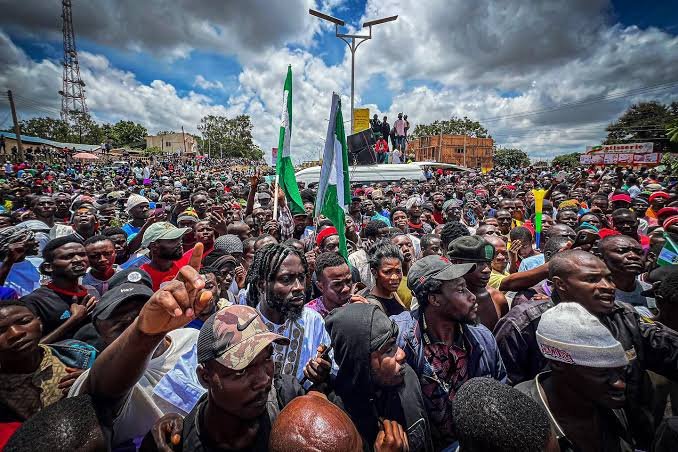
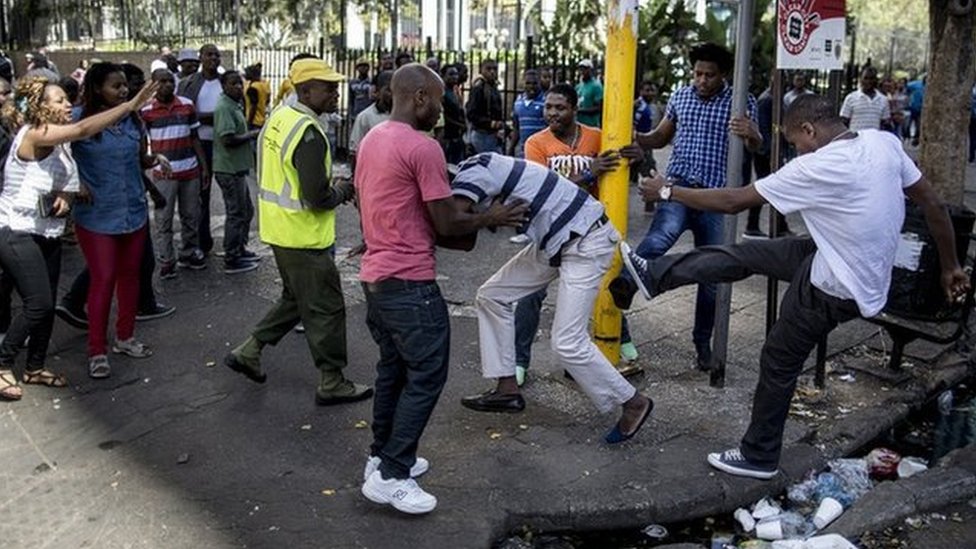
The development comes after a renewed wave of xenophobic violence in South Africa following a June 30 ultimatum issued by citizen groups demanding undocumented migrants leave the country. The unrest has resulted in protests, looting and the reported killing of several foreign nationals.
Several African countries, including Nigeria, have since begun repatriating citizens who no longer feel safe in South Africa.
The development also follows a warning by Nigeria’s Ministry of Foreign Affairs, which condemned the killing of two Nigerians in South Africa and warned that the Federal Government could activate unspecified measures if the attacks persist.
The ministry accused South Africa of allowing a pattern of intolerance and called on authorities to guarantee the safety of Nigerians legally residing in the country.