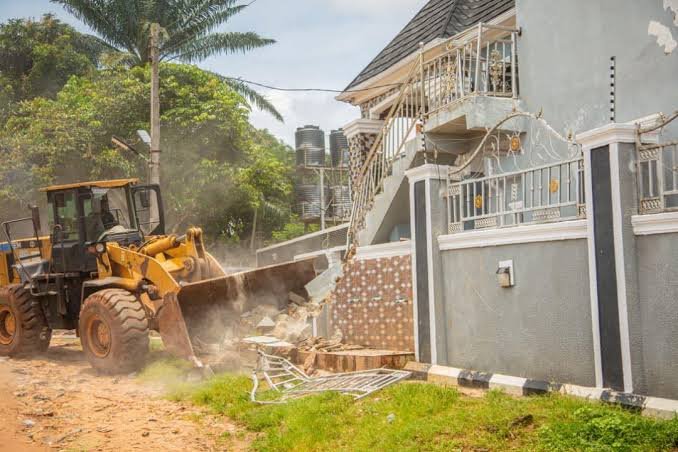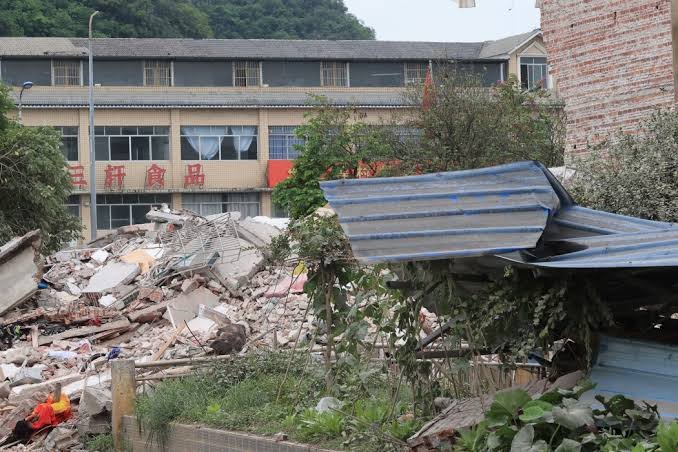

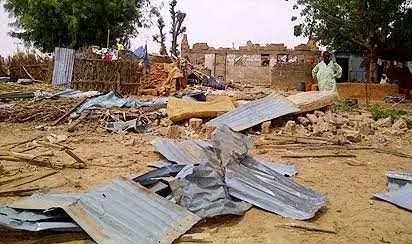
At least seven people have died and 5,403 others have been affected after powerful windstorms swept through 120 communities across 13 local government areas of Jigawa State.
The Executive Secretary of the State Emergency Relief Management Agency (SEMA), Hannafi Yakubu, disclosed the figures while briefing journalists in Dutse on Wednesday.
Yakubu said the windstorms struck at the beginning of the rainy season, causing widespread destruction to homes and public infrastructure across the state.
According to him, about 50 schools and health facilities, as well as two police stations, were damaged, describing the windstorms as the most significant disaster currently facing the state.
Although widespread flooding has not yet occurred, he said the windstorms alone had caused extensive damage across several local government areas.
SEMA is working with the National Emergency Management Agency to assess the full extent of the damage and coordinate emergency response efforts.
Yakubu appealed to the Federal Government, local government councils, development partners, humanitarian organisations, corporate bodies and individuals to support affected communities.
He also revealed that the Jigawa State Government had approved more than ₦800 million for emergency preparedness ahead of the rainy season, with relief materials already being stockpiled for rapid response.
The affected local government areas are Dutse, Gwaram, Birnin Kudu, Kiyawa, Babura, Gumel, Kaugama, Ringim, Gagarawa, Kirikasamma, Sule Tankarkar, Miga and Buji.
Ringim recorded the highest number of affected persons with 1,182 victims, followed by Dutse (792), Babura (650), Kirikasamma (605) and Birnin Kudu (539).
Yakubu also confirmed an isolated flooding incident in Miga Local Government Area, where more than 70 hectares of farmland were destroyed. He said the incident could not yet be classified as part of the annual flooding season because major rivers had not overflowed.
He assured residents that the state government would continue to strengthen disaster preparedness and provide relief to affected communities.