
/ Oct 01, 2026
/ Oct 01, 2026

Okonjo-Iweala reveals how communication won Nigeria’s $30bn debt relief

Published on

By

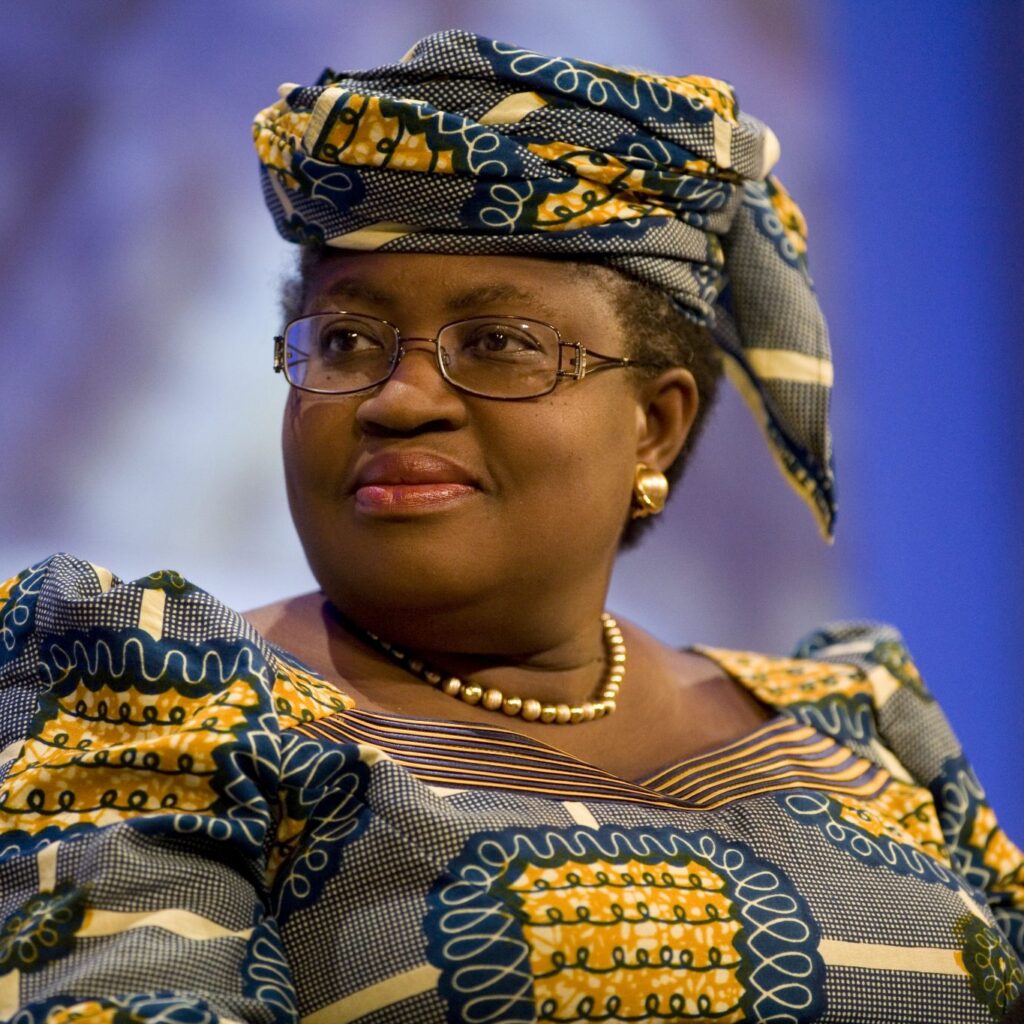
Director-General of the World Trade Organisation (WTO), Ngozi Okonjo-Iweala, has said Nigeria’s successful negotiation of about $30 billion in Paris Club debt relief was driven not only by tough economic reforms but also by effective communication that helped citizens understand and support the government’s policies.


Speaking at the public presentation of The Pain and the Promise, a book by communications strategist Paul Nwabuikwu in Abuja, Okonjo-Iweala recalled returning from the World Bank in 2003 to help rebuild Nigeria’s finances during the administration of former President Olusegun Obasanjo.

She said the reform programme, which included negotiating the country’s exit from about $30 billion in external debt owed to the Paris Club, required significant sacrifices from Nigerians and could only succeed if the public clearly understood its purpose and long-term benefits.

According to her, this informed the decision to prioritise communication as a core element of the economic reform agenda.

Okonjo-Iweala explained that government policies, especially difficult economic measures, needed to be presented in simple language that ordinary Nigerians could understand rather than technical economic terms.

She credited Paul Nwabuikwu with leading that communication effort, describing him as an exceptional strategist whose work helped build public confidence in the reform programme.

The WTO chief said the communication strategy played a vital role in securing the public support that enabled the government to implement reforms leading to the historic debt relief agreement.

She stressed that reform goes beyond introducing new laws, noting that governments must explain policy trade-offs honestly and build enough trust to sustain implementation despite challenges.

Looking ahead, Okonjo-Iweala said Nigeria’s long-term economic progress depends on overcoming ethnic, religious and regional divisions to establish a national consensus on development priorities that remains consistent regardless of changes in government.

She also urged Nigerians to prioritise merit and competence when appointing people to positions of responsibility, insisting that talent exists across every part of the country.

Reviewing The Pain and the Promise, she described the book as a thoughtful reflection on Nigeria’s political, economic and social evolution over the past 35 years and encouraged young Nigerians to read it for insights into the country’s reform journey.
You May Like

Leave a Reply

Your email address will not be published. Required fields are marked *

Most Popular

Must Read

Tinubu directs delegation to Ethiopia to repatriate Nigerian prisoners held at Kaliti prison in Addis Ababa.

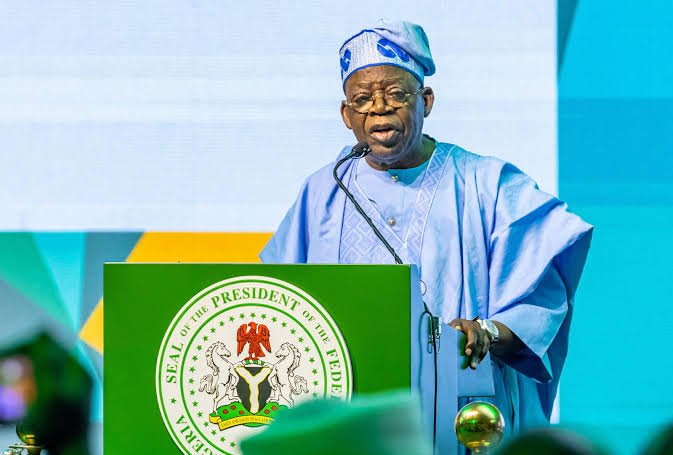
Tinubu rules out return to fuel subsidy, defends reforms

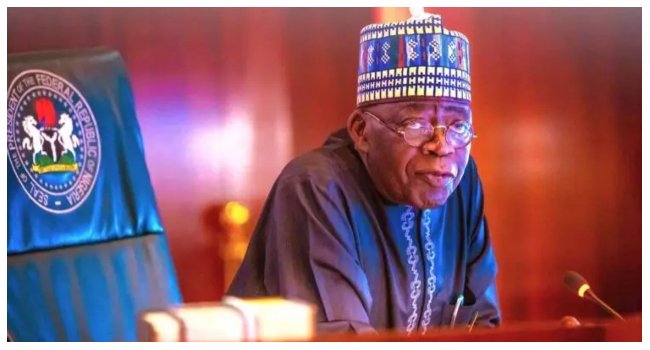
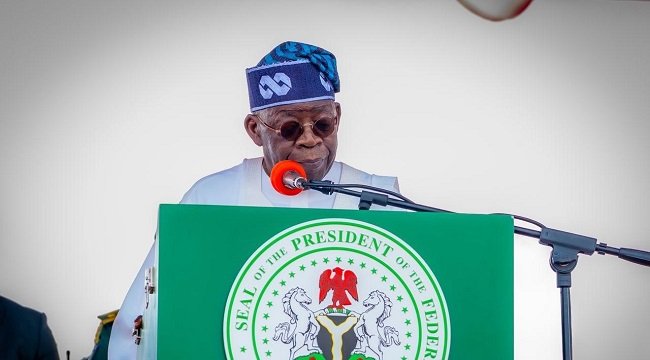
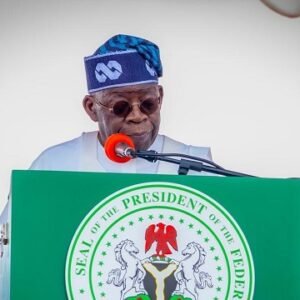
President Bola Tinubu has ruled out a return to Nigeria’s petrol subsidy regime, urging Nigerians to resist calls to reverse his administration’s economic reforms.   Tinubu made the declaration in his Independence Day address on Thursday, October 1, 2026, as Nigeria marked its 66th anniversary. The President defended the reforms introduced since he assumed office in 2023, saying they were designed to tackle longstanding weaknesses in the economy rather than merely ease their effects. “Our reforms did not create the weaknesses in our economy. They confronted them,” Tinubu said. ‘We must resist their siren song’ Tinubu acknowledged that the reforms had been difficult and that their “side effects were real”, but argued that abandoning them would amount to returning to policies that had failed to address the country’s underlying economic problems. He warned against calls from what he described as “certain influential but regressive voices” to abandon the reforms and return to subsidy arrangements. “Now, as certain influential but regressive voices would have us abandon the treatment and return ourselves to the abuse of addictive subsidies, we must resist their siren song,” he said. “We must remember why we began this journey and how far we have already come.” Using the analogy of a cancer patient undergoing painful but necessary treatment, Tinubu said previous governments had focused on easing economic symptoms while allowing underlying problems to worsen. “Nigeria was like a sick patient who receives the terrible news that he has cancer,” he said. “His doctor explains that the treatment will be difficult and painful, but that it offers a strong prospect of recovery. The patient has a choice. He can begin treatment, endure its discomfort and fight the disease. Or he can ask only for morphine, dull the pain and leave the cancer to spread.” “For too long, Nigeria’s leaders chose morphine while praying for a miracle that never came,” the President added. Tinubu cites economic gains Defending his administration’s record, Tinubu said Nigeria’s economic outlook had improved, citing economic growth of more than four per cent in 2026 and contributions from both the oil and non-oil sectors. He also said oil theft had declined, inflation had fallen substantially from its peak, foreign reserves had been rebuilt and the foreign exchange market had stabilised. According to the President, Nigeria recorded more than $6bn in non-oil export revenue in 2025, which he described as the highest in the country’s history. “These are not idle claims. International observers, journalists, NGOs and multilateral institutions can see the change,” Tinubu said. He added that the government was moving from economic correction towards greater emphasis on jobs, production and widespread prosperity.
Read more

Editor's Pick

Trending News

Newsletter

Enter your email address and receive notifications of news by email.

You have been successfully Subscribed! Ops! Something went wrong, please try again.

© 2026 GongNews. All Rights Reserved.